




Exploring Mental Health Facilities for Schizophrenia
When delving into the complex world of mental health care, especially for conditions as intricate as schizophrenia, choosing the right treatment facility becomes paramount. Mental health facilities for schizophrenia are not just places for treatment; they are sanctuaries of hope and healing for those afflicted and their families. At Alta Loma, nestled serenely in Georgetown, Texas, we pride ourselves on being one of these havens, offering comprehensive care tailored to each individual’s needs.
Our Approach to Treatment
Personalized Care and Support
In our journey to aid our residents, we recognize that every individual’s path to recovery is unique. Specializing in schizophrenia among other severe mental illnesses, we craft personalized treatment plans that address not just the symptoms but the person as a whole. Our holistic strategy encompasses everything from cognitive behavioral therapy and medication management to nutritional planning and recreational therapy, ensuring a well-rounded approach to mental health care.
Structured Environment
Creating a structured yet flexible environment is at the core of our philosophy. We believe in providing a stable foundation that residents can rely on as they navigate their path to wellness. This structure extends to our meticulously designed living spaces and extends to the daily schedule, filled with activities aimed at fostering personal growth and emotional stability.
Specialized Programs
Comprehensive Treatment Options
Alta Loma’s treatment options are diverse, ranging from primary programs like The Ranch and Casa Esperanza to extended care and supportive living. What sets our programs apart is the emphasis on community integration, which prepares our residents for a seamless transition back into society, armed with the skills and confidence needed to lead fulfilling lives.
The Importance of Choosing the Right Facility
Selecting the appropriate mental health facility for schizophrenia is a crucial step toward recovery. It involves understanding the level of care required, the available treatment options, and how well the facility’s philosophy aligns with the patient’s needs. At Alta Loma, we invite families to engage with us in this process, ensuring that together, we can make informed decisions about the care pathway that offers the best potential for long-term health and sobriety.
Family Involvement in Treatment
Embracing Family Support
Recovery from schizophrenia is a collective journey. Family involvement plays a critical role in the treatment process, fostering a network of support that surrounds the resident with understanding, encouragement, and love. Our family therapy sessions are designed to redefine roles, improve communication, and strengthen the bonds that are so essential to recovery.
Achieving Long-Term Health and Sobriety
At the heart of our mission lies the commitment to empowering our residents to take control of their mental health for a healthier, happier future. Achieving long-term health and sobriety is a multifaceted endeavor, requiring a blend of expert care, supportive community, and personal dedication. Through our comprehensive care coordination and transformational care programs, we aim to equip individuals with the tools and insights they need to navigate life’s challenges with resilience and grace.
Why Choose Alta Loma?
A Haven for Healing
Choosing Alta Loma means opting for a place where healing is nurtured in every aspect of the environment and treatment process. Our serene Texas setting, combined with our expert team and evidence-based practices, creates an optimal backdrop for individuals to embark on their recovery journey.
A Commitment to Excellence
Our dedication to providing the highest quality care is evident in our success stories. Time and again, residents leave our facility with a renewed sense of purpose and the tools to maintain their mental health and sobriety. This commitment to excellence is not just our professional obligation; it is our passion.
Start the Journey Towards Healing
If you or a loved one is grappling with severe mental illness, know that hope and help are within reach. Contact Alta Loma today to learn more about how our mental health facilities for schizophrenia can provide the support and resources needed for a journey back to wellness.
Contact Us to Learn More
Embarking on the path to recovery can be daunting, but you don’t have to do it alone. Our admissions team is here to guide you through the process, offering insight into our programs and answering any questions you may have. Let Alta Loma be your partner in the journey towards healing and wellness. Reach out to us today to take the first step.

Where can someone with schizophrenia live?
For someone with schizophrenia, finding the right living situation is crucial to their recovery and well-being. At Alta Loma, we understand the importance of a supportive and structured environment. Our residents live in accommodations designed to provide both comfort and stability, ranging from more intensive inpatient care to supportive living options that allow for greater independence while still offering access to 24-hour support and care. Each setting aims to cater to the individual’s stage of recovery, balancing the need for autonomy with the availability of immediate assistance. We believe in empowering our residents to progress towards more independent living situations as their treatment evolves, always ensuring they feel secure and supported.
What support is available for someone with schizophrenia?
Support for someone with schizophrenia encompasses a broad spectrum of services designed to manage symptoms, improve quality of life, and facilitate integration into society. At Alta Loma, we offer personalized treatment plans that include cognitive behavioral therapy, medication management, nutritional planning, recreational therapy, and life skills training. Beyond clinical therapy, we also provide a supportive community environment that encourages social interaction, peer support, and personal growth. Our comprehensive approach ensures that every individual receives the physical, emotional, and psychological support they need to navigate their recovery journey successfully.
What organizations can help with schizophrenia?
There are numerous organizations dedicated to supporting individuals with schizophrenia and their families. Nationally recognized bodies like the National Alliance on Mental Illness (NAMI) and the Schizophrenia and Related Disorders Alliance of America (SARDAA) offer resources, support groups, educational materials, and advocacy. Locally, community mental health services can provide accessible treatment and support options. At Alta Loma, we often work in conjunction with these organizations to ensure our residents have access to a wide range of resources and support networks, both during their stay with us and as they transition to life beyond our facility.
How long do people with schizophrenia stay in a mental hospital?
The duration of stay in a mental health facility for someone with schizophrenia can vary significantly depending on the individual’s condition, their response to treatment, and their support system. At Alta Loma, we don’t adhere to a one-size-fits-all timeframe. Instead, our focus is on providing personalized care that addresses the unique needs of each resident. Typically, stays can range from a few weeks to several months, with the goal always being to ensure that the individual has stabilized sufficiently to transition to a less restrictive level of care. We prioritize long-term wellness and the development of coping strategies to manage symptoms outside of a hospital setting.
What are some unique approaches to schizophrenia treatment?
At Alta Loma, we pride ourselves on incorporating unique and innovative approaches into our schizophrenia treatment programs. Understanding that each individual’s journey is distinct, we employ a variety of therapeutic modalities tailored to fit personal needs and preferences. This includes integrating arts and music therapy, which have been shown to facilitate expression and emotional healing, and equine therapy, which helps in building communication, trust, and social skills. We also emphasize the role of physical health in mental recovery by including fitness programs and nutritional counseling. Our aim is to provide a holistic treatment experience that addresses not just the symptoms, but the whole person.
What are common misconceptions about mental health facilities for schizophrenia?
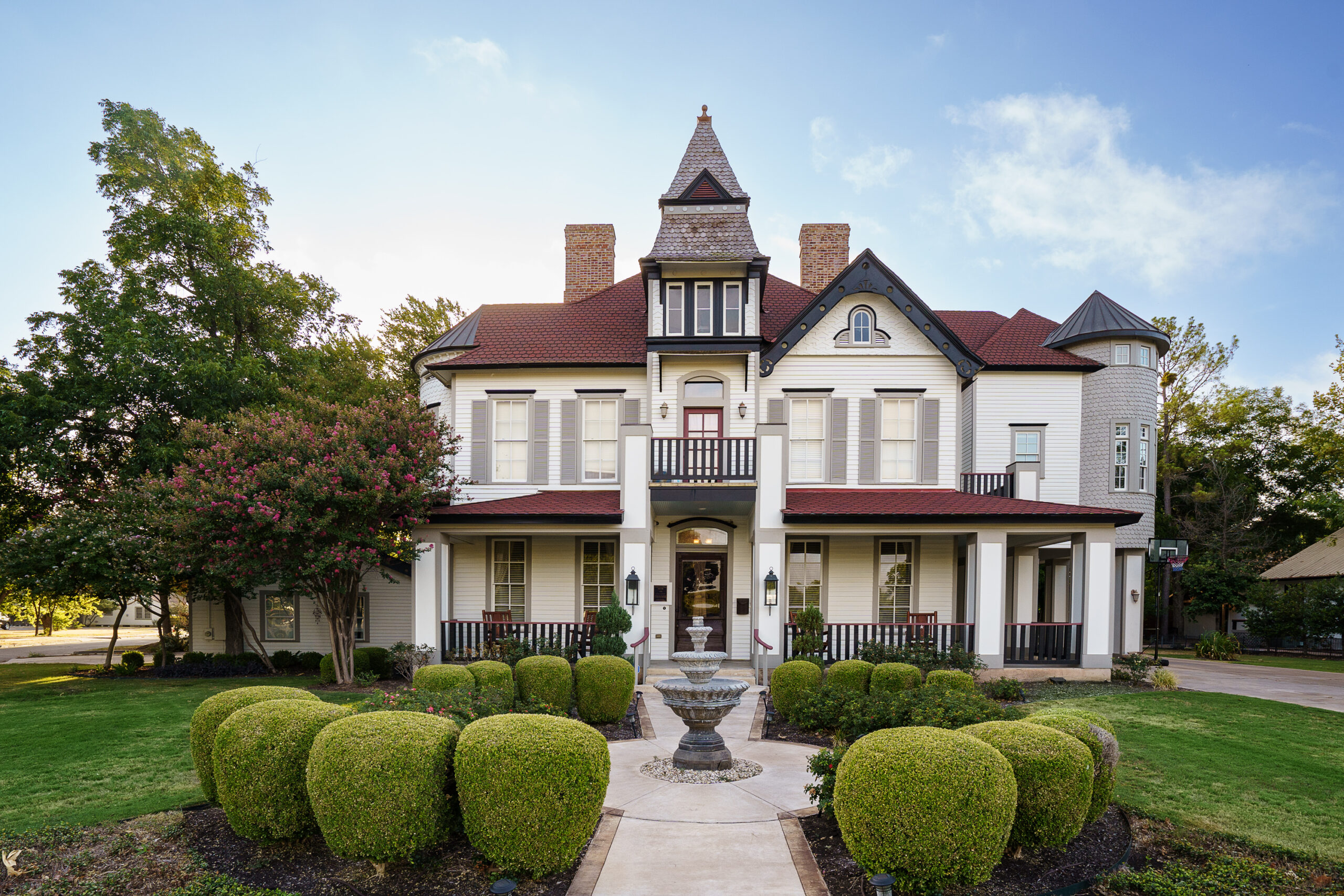
One common misconception is that mental health facilities are cold, institutional places where individuals receive minimal attention. At Alta Loma, we challenge this stereotype by offering a warm, homelike atmosphere where residents can feel safe and supported. Another misconception is that treatment is primarily medication-based. While medication management is a critical component, we place equal emphasis on therapy, community engagement, and lifestyle adjustments to ensure comprehensive care. Additionally, there’s a belief that once someone enters a mental health facility, they lose their independence. On the contrary, our goal is to empower residents, fostering their independence within a supportive framework designed to facilitate their reintegration into community life.