

Long-Term Mental Health Facilities in Texas for Adults
Schizophrenia • Bi-Polar Disorder • Personality Disorders • Anxiety • Depression

Benefits of Long-Term Psychiatric Care
Severe mental health disorders often require significantly more than brief inpatient treatment or outpatient services. These conditions are frequently associated with limited insight into illness, difficulty maintaining medication adherence, impaired daily functioning, and repeated psychiatric hospitalizations.
Evidence-based research consistently shows that individuals with severe mental illness benefit most from long-term, psychiatry-driven treatment programs that allow adequate time for stabilization, medication optimization, therapeutic engagement, and skill development. Short-term treatment models are rarely sufficient for achieving durable outcomes when symptoms are complex, persistent, or recurrent.
Alta Loma exists to address this gap in the mental health care system by providing extended care designed to support long-term stability and improve quality of life.
5% of Adults
Around 3% of individuals will experience a psychotic episode at some point in their lives, and of those individuals, approximately 1% of them will have schizophrenia.
40% Untreated
It is estimated that around 40% of individuals diagnosed with schizophrenia do not receive treatment. Symptoms can begin as early as adolescence.
80% Recover
Professional treatment and support lead to a significant reduction in symptoms and improved quality of life for 70-90% of individuals. Both men and women benefit from dedicated mental health programs that provide effective care.
Mental Health Disorders Treated at Alta Loma
Alta Loma specializes in the treatment of severe and persistent mental health disorders.




A Psychiatry-Driven, Evidence-Based Treatment Approach
Our treatment approach is psychiatry-centered, evidence-based, and highly individualized. Care is structured around clinical need rather than preset timelines or insurance-driven limits. Each individualized treatment plan is continuously evaluated and adjusted as the client progresses.
Clinical services include:

- Comprehensive psychiatric care
- Master’s-level individual therapy for psychiatric and substance abuse needs
- Cognitive-behavioral therapy (CBT) and dialectical behavior therapy (DBT)
- Medication management
- Comprehensive life-skills education
- Community reintegration
- Multiple facilities depending on care
- Dedicated and comprehensive care coordination with medical professionals
- Peer support specialists and recovery advocates
- Extensive and comprehensive psychiatric care
- Family collaboration and education
This integrated treatment approach allows clients to address complex mental health issues while developing the skills needed to function more independently over time.

Levels of Care and Continuum of Support
We operate within a structured continuum of care designed to support individuals through varying stages of stabilization and independence. While many clients arrive following inpatient treatment or psychiatric hospitalization, Alta Loma is not a short-term inpatient program.
Care may include components similar to partial hospitalization programs (PHP), intensive outpatient programs (IOP), and outpatient therapy, but delivered within a long-term, highly supervised framework. Movement through different levels of care is determined by clinical readiness, not time-based milestones.
This model allows for gradual, supported transitions while maintaining consistent psychiatric oversight and therapeutic engagement.
Family-Supported Care From Day One
Nearly all admissions to Alta Loma are initiated by family members or loved ones. As a result, family involvement is a foundational component of treatment at Alta Loma.
Family-supported care includes:
- Weekly family support groups
- Ongoing communication with master’s-level therapists
- Regular clinical updates and education
- Monthly three-day family intensives
This approach helps families better understand severe mental illness, establish healthy boundaries, and prepare for long-term support following discharge. Family therapy and education are essential to sustained stability and improved outcomes.


About Alta Loma’s Primary Program
We are a men’s and women’s-focused long-term mental health treatment in Georgetown, Texas, just minutes outside Austin.
We go beyond the “traditional treatment programs” for mental health by providing a structured environment where residents can find emotional and psychological stability. Our goal is to address mental health disorders at their roots, addressing the whole person and helping them integrate successfully into society.
By providing high-quality and proven transformational care programs that offer a comprehensive array of tools and support, we can help you sustain your new healthy lifestyle. Don’t go another day letting mental health issues control you or a loved one’s life.

Comprehensive Assessment Program
Alta Loma offers a comprehensive assessment program designed to provide diagnostic clarity and a structured roadmap for long-term care. This service is currently available as an optional add-on for individuals already enrolled in the primary program.
The assessment process typically takes place over approximately two weeks and involves an in-depth, multidisciplinary evaluation. Rather than focusing on a single diagnosis or set of symptoms, the program is designed to assess the full scope of an individual’s psychiatric, cognitive, emotional, and functional needs.
The comprehensive assessment includes:
- A full battery of neuropsychological testing
- Psychiatric evaluation and diagnostic interviewing
- Biopsychosocial and medical assessments
- Executive functioning, personality, and trauma-related testing
- Input from multiple disciplines, including clinicians, dietitians, and recreational therapists
- Family systems assessment, including structured input from loved ones
This process results in a detailed written report, typically 30 to 50 pages, outlining diagnostic findings, clinical observations, and individualized treatment recommendations. The goal is not only to clarify the diagnosis but also to identify strengths, uncover underlying challenges, and guide long-term treatment planning both during and after care at Alta Loma.
This level of assessment is particularly valuable for individuals with complex or unclear clinical presentations, histories of unsuccessful treatment, or co-occurring conditions that require a more nuanced understanding.
Planned Expansion
We are preparing to expand this program into a standalone service. In the near future, individuals will be able to participate in the assessment independently of the primary program, staying on-site for approximately two weeks for a focused diagnostic experience.
This standalone offering will provide the same level of clinical depth and evaluation, allowing individuals and families to gain clarity before committing to long-term treatment. Capacity will be intentionally limited to maintain a high level of clinical attention and individualized care.
Program Settings
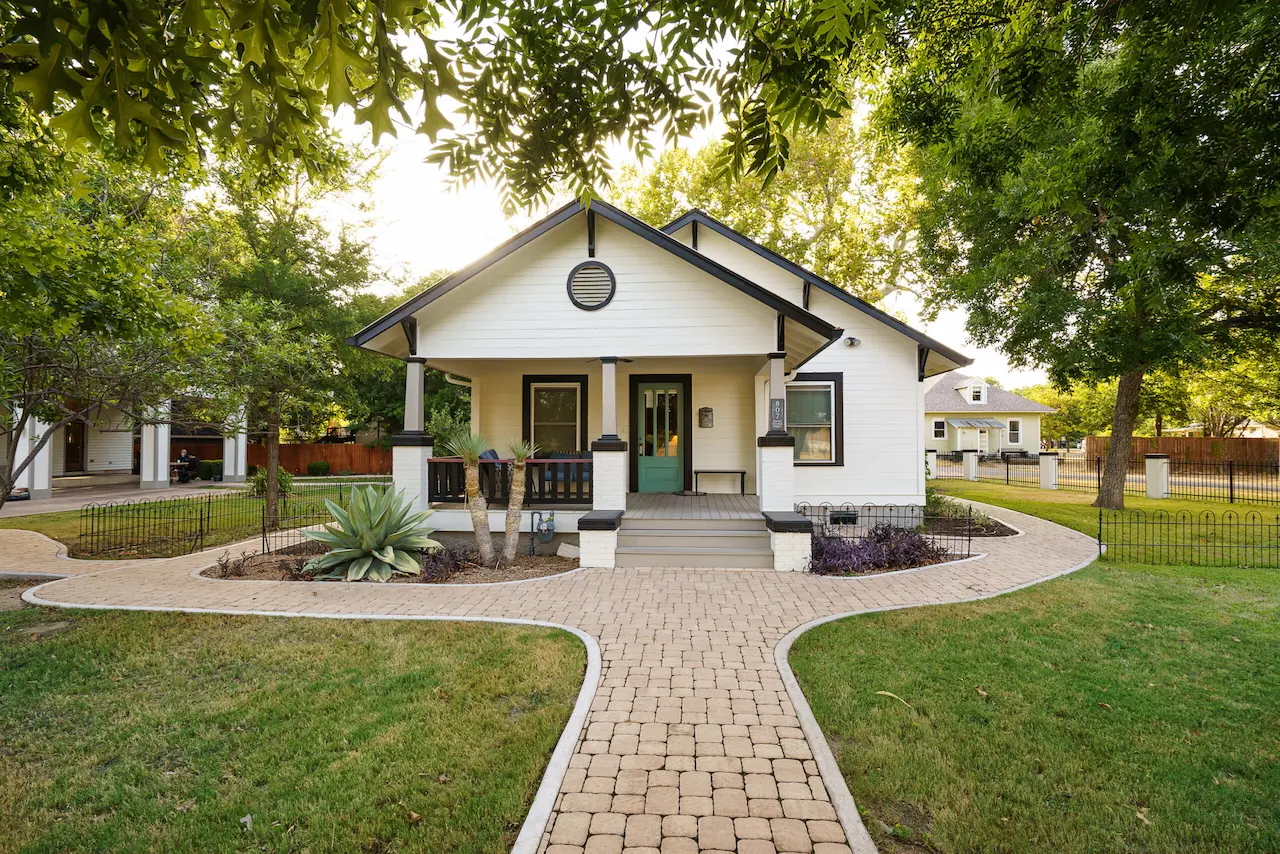
Our program settings are intentionally designed to support treatment, safety, and gradual community reintegration. Environments emphasize calm, structure, and clinical appropriateness rather than luxury or resort-style amenities.
Clients may move between settings as they demonstrate increased stability, independence, and readiness for community engagement. These transitions are clinically guided and focus on preparing individuals for real-world functioning, including housing stability, daily routines, and outpatient mental health services.

Our Facilities & Programs
Men's Programs



Women's Programs



Engineered for Success
Alta Loma’s long-term mental health treatment in Georgetown, Texas, recognizes that all individuals are unique; so are the solutions you’ll need to find long-term stability. From life skills training to nutrition planning, Alta Loma will provide you with the education and safe, support-filled environment where you can increase your confidence and grow your independence, preparing you for successful living on your own.
You can accomplish these goals in a setting that places your psychological, emotional, and physical needs and your comfort at the forefront, with staff as well-prepared as they are committed to your individual needs. Your healthy independence is our primary goal. As a result, you will receive as much or as little assistance as you need to achieve your ideal outcome, and always the right help at the right time.
Discharge Planning and Aftercare
Due to the extended length of care, discharge planning is extensive and deliberate. Planning begins early and evolves throughout treatment to ensure continuity of mental health care following discharge.
Aftercare planning may include:
- Housing placement and supportive living arrangements
- Coordination with outpatient psychiatrists and therapists
- Case management and peer support
- Local outpatient services and ongoing mental health treatment
The goal is sustained functioning, relapse prevention, and long-term well-being – not rapid discharge.

Frequently Asked Questions
Alta Loma provides long-term, psychiatry-driven mental health treatment but is not positioned as a short-term residential treatment center. Care is structured around extended psychiatric stabilization and community reintegration.
Alta Loma does not fit neatly into traditional inpatient or outpatient categories. Treatment includes structured, clinically supervised care within a long-term continuum that may incorporate PHP, IOP, and outpatient elements.
Length of stay varies by clinical need. While the minimum commitment is typically several months, the average length of care is approximately one year.
Alta Loma primarily serves adults. Families seeking adolescent mental health services should speak with admissions for appropriate referrals.
Substance use disorder is addressed as a secondary concern within an integrated dual diagnosis model. Psychiatric stabilization remains the primary focus of care.
A thorough admissions process ensures appropriate placement, protects client safety, and supports long-term outcomes for individuals with severe mental illness.