

Long-Term Schizophrenia Treatment Center
Individuals diagnosed with schizophrenia typically view it as a mental disorder; however, it is a widely misconstrued behavioral health condition requiring treatment. Those affected often face stigma and are unfairly branded by society as disorganized, unpredictable, or potentially violent, perpetuating misconceptions about schizophrenia.
In reality, these stereotypes are based on other psychotic disorders, feeding inaccurate depictions that couldn’t be further from the truth.
The right treatments, along with practical and emotional support from your loved ones, will go a long way to help you navigate your life.
Get Healing on Your Terms
If you or someone you care about is struggling to address your need for mental health, Alta Loma could mean the difference between relapse and long-term recovery

Schizophrenia is a significant diagnosis, and finding the correct treatment is crucial to help you alleviate your symptoms and enhance your mental well-being. The most successful approaches to schizophrenia treatment address all aspects of a person’s mental, physical, and emotional health requirements. Alta Loma offers assistance during the entire recovery journey, aiding your path with schizophrenia in managing their symptoms effectively and enabling them to heal and acquire the necessary skills for maintaining their well-being.
You or your loved one should seek treatment at the onset of symptoms; early detection can lessen their severity. Recovery while managing schizophrenia often occurs gradually and involves various elements such as self-education, peer assistance, education and employment, and connecting with a suitable early intervention treatment team.
Untreated schizophrenia symptoms can be overwhelming, impacting all aspects of daily life. From acute episodes to severe psychiatric crises, the mental health experts at Alta Loma are here to support you right from the beginning.
Psychiatry-Led Care for Complex Mental Health Disorders
Located near Austin, TX, Alta Loma provides a community of mental health professionals dedicated to integrating effective modalities into each individual’s treatment plan. Instead of tackling each symptom in isolation, we adopt a holistic approach to assist residents in managing different aspects of coping with mental health conditions. Schizophrenia impacts every aspect of life, and we employ various techniques to facilitate significant transformations, such as:
A Structured Inpatient Treatment Environment With Step-Down Options
Our program provides a structured, evidence‑based inpatient treatment focused on stabilization, symptom management, and functional skill building. Treatment plans also emphasize continuity of care, helping coordinate step‑down options such as housing setup and outpatient options to ensure ongoing monitoring, community support, and relapse prevention.

Individualized Treatment Plans for Lasting Stability
We create personalized, goal‑driven treatment plans based on comprehensive assessments and collaboration with a multidisciplinary team. Plans combine evidence‑based interventions, clear goals, and coordinated discharge and community support to ensure your unique needs are met during and after treatment.
Evidence-Based Therapies That Support Daily Functioning
By blending a structured treatment setting with modern therapeutic approaches (including Cognitive Behavioral Therapy sessions, support groups, psychosocial therapy, etc.) and a committed clinical team, we empower individuals with schizophrenia to gain coping skills for emotional balance. We strive to encourage a healthy, satisfying, and autonomous life free from the challenges of significant mental illness.
Get Healing on Your Terms
If you or someone you care about is struggling to address your need for mental health, Alta Loma could mean the difference between relapse and long-term recovery.
Start journey
A Supportive Environment Designed for Healing
Our facilities are meticulously crafted to offer solace, recovery, and a feeling of belonging. From expansive, elegantly furnished bedrooms that ensure seclusion and peace to shared spaces that nurture relationships and companionship, every aspect has been meticulously planned to enhance the journey to well-being.

Why Alta Loma Is Different
Our programs combine long-term, psychiatry-driven care with family support and individualized treatment plans to help adults with severe mental health conditions achieve lasting stability.
Long-Term, Psychiatry-Driven Quality Care
Individualized treatment led by board-certified psychiatrists ensures every resident receives expert guidance for complex mental health conditions. This approach supports lasting stability rather than short-term symptom relief.
Dual Diagnosis Support
Our programs are designed to treat co-occurring mental health and substance use disorders simultaneously, addressing the unique challenges of dual diagnosis for more effective recovery.
Family-Focused Therapy
Families are integral to the healing process, participating in weekly sessions and intensive monthly programs that strengthen support systems and improve treatment retention.
High Staff Involvement
Residents benefit from a high staff-to-client ratio and continuous, personalized care from clinicians, including therapists, psychiatrists, and peer specialists, throughout the treatment journey.
Community Reintegration Model
Real-world skills and gradual reentry into the community, helping residents transition confidently while maintaining mental health stability and overall wellness. We provide guided practice of real-world skills and gradual reentry into the community, helping residents transition confidently while maintaining mental health stability and overall wellness.
Holistic, Evidence-Based Approach
Our level of care combines psychotherapy, medication management, psychoeducation, and complementary therapies to create a comprehensive, science-based plan tailored to each resident’s specific needs.
Effective Treatment Options for Schizophrenia and Related Conditions
Our treatment options are evidence-based and dedicated to addressing severe mental illness and related symptoms. All of our treatment options focus on stabilizing crises, improving daily functioning, and supporting long-term recovery.
Conditions We Treat
We assess and treat multiple psychotic and mental health conditions, including:
- Schizophrenia
- Schizoaffective disorder
- Co-occurring mental health conditions
- First episode psychosis
Core Treatment Modalities
We use proven approaches to reduce symptoms, improve daily functioning, and support recovery. Modalities include:
- Cognitive-behavioral therapy (CBT)
- Psychotherapy
- Medication management
- Family therapy
- Group therapy
When to Seek Professional Mental Health Treatment
Watching a loved one struggle with a mental illness can bring about distress and uncertainty. During a crisis, it can be difficult to know what to say or do, but offering support and seeking professional help can make a real difference. At Alta Loma, we’ll help you and your loved one find the treatment they need. Below are common signs to watch for that may indicate a loved one needs professional help.
- Disorganized thinking
- Withdrawal from family members
- Declining well-being
- Impairment in work or relationships
- Difficulty distinguishing reality
- Escalating mental health symptoms


Understanding Schizophrenia
Schizophrenia, a severe mental disorder, disrupts reality perception, social interactions, and clear thinking. The American Psychiatric Association’s Diagnostic and Statistical Manual of Mental Disorders defines it as a chronic brain disorder affecting less than one percent of the U.S. population.
During active phases, symptoms may include delusions, hallucinations, disorganized speech, cognitive difficulties, and lack of motivation. Those with schizophrenia struggle to differentiate reality from hallucinations, experience disordered thoughts, and may feel paranoid.
While medications may lead to weight gain and increased blood sugar, dietary adjustments and exercise can help manage these side effects. You must adhere to their treatment plan, even when symptoms improve, to support their recovery.
Symptoms of Schizophrenia
Psychiatric symptoms often begin in the late teens or early 20s and include subtle alterations in cognition, mood, and conduct – these serve as initial indicators. As the disorder advances, distressing psychotic episodes may arise. While schizophrenic episodes can significantly disrupt regular activities, a combination of therapy, assistance, and medication can aid in stabilizing patients and reducing symptom intensity, leading to a considerable enhancement in life quality.
Schizophrenia symptoms may appear intermittently over a lifetime, with individuals often not recognizing their distorted thoughts, feelings, or perceptions until diagnosis. Since early schizophrenia stages can resemble stress, typical teenage behavior, or other mental health conditions, diagnosis generally occurs after symptoms become more apparent. You might encounter two categories of psychotic symptoms, positive and negative, which involve alterations in thinking or behavior that are atypical or a lack of usual functionality.
Positive Symptoms (“adds” a mental experience or phenomenon):
- Hallucinations (auditory, visual, tactile, etc.)
- Delusions, paranoia, and irrational fears
- Trouble concentrating
- Disorganized speech and thought patterns
Negative Symptoms (“takes away” from normal thoughts, feelings, or behaviors):
- Feeling emotionally withdrawn or isolated
- Low motivation and energy
- Lack of pleasure (anhedonia)
- Flat emotional affect/trouble expressing emotions
- Difficulty planning or participating in activities
These symptoms are classified on the schizophrenia spectrum and may vary based on the individual experiencing them. For instance, some individuals may hear voices or believe that song lyrics, TV shows, or billboards carry a special message meant for them. Others may experience feelings of paranoia or suspicion towards their friends and family.
Regardless of how schizophrenia symptoms manifest, they can lead to a detachment from reality and disrupt daily life significantly. Various risk factors, such as substance abuse, stress, medication discontinuation, or major life events, can exacerbate symptoms. Therefore, it is crucial to prioritize self-care, establish a treatment plan to address triggers, crises, and emergencies, and mitigate the impact of the mental illness.
Schizophrenia and Autism Spectrum Disorder
The brain is a complex system, with recent findings showing that schizophrenia and other mental disorders share genetic risks with autism spectrum conditions. This discovery can help you understand why individuals with autism are almost 3.6 times more likely to receive a diagnosis of schizophrenia. When these conditions coexist, they’re referred to as co-occurring disorders, which can impact treatment planning to manage symptoms effectively.
Alta Loma Transformational support services in Georgetown, TX, offer specialized support for individuals with schizophrenia and co-occurring autism spectrum disorders. These disorders present challenges in treatment, but our individualized care plans offer innovative solutions to restore balance and stability.
Our program focuses on sustainable strategies for lasting improvement, providing residents with the support they need to manage symptoms and lead healthy, successful, and fulfilling lives.
What Daily Life Looks Like in Treatment
At Alta Loma, daily life in treatment combines clinical care with compassionate guidance to help you and/or your loved one regain stability. Our interdisciplinary team coordinates medication management, psychoeducation, and daily structure to ensure treatment addresses the root of your mental health condition—not just symptoms.
Structured Days That Promote Stability
We design a consistent daily structure that helps support steady progress. Daily schedules typically include group therapy, medication management, and time for rest and recreation to build healthy habits. This structure helps patients regain a sense of safety and control.
Individual Therapy, Skill Building, and Clinical Support
Each patient can expect to receive individual therapy focused on symptom management, coping strategies, and personal goals. Our clinicians use evidence-based approaches—such as CBT, DBT, and psychoeducation—while tracking progress and adjusting care as needed. Regular one-on-one sessions reinforce coping skills and help prepare for challenges in recovery.

Community Integration Experiences
Community support and connections are essential for a successful transition out of treatment.
Family Connection and Support
Individuals with schizophrenia and related disorders can benefit from the support of their family, friends, and community services. Those caring for someone with schizophrenia can assist by recognizing the signs of an episode, encouraging treatment adherence, and providing support throughout. Schizophrenia necessitates a comprehensive treatment approach, often involving therapy, medication, social support, and crisis preparation.

Our Program Highlights
Our program combines expert psychiatric care, personalized therapy, and practical skill-building to support your recovery. We partner with you and your support network to build lasting stability, confidence, and community connection.
Psychiatry + Medication Management
We provide comprehensive psychiatric care and medication management to reduce symptoms, manage side effects, and restore biological balance.
Integrated Care for Co-Occurring Disorders
We coordinate treatment for mental health and co-occurring substance use disorders to ensure a whole-person approach to care.
Social Skills and Functional Recovery
We teach communication, everyday living skills, and practical strategies to help you regain independence and confidence.
Treatment That Evolves With the Client
Our treatment plans grow with you as you progress – ensuring that treatment and aftercare are aligned with your needs.
Additional Program Features That Support Long-Term Recovery
Our additional program features ensure that treatment is comprehensive, supporting areas that address the root of your condition. These services work together to strengthen skills and prepare you and/or your loved one for a confident transition back to everyday life.

Life Skills Development
You can expect to develop essential life skills to help manage symptoms well after treatment. These skills will prepare you for the challenges that come with recovery, providing practical coping methods and resources such as support networks, community options, and crisis planning.
Dual Diagnosis Support
Addiction and co-occurring disorders are common in those with schizophrenia. Therefore, we provide integrated substance abuse and dual diagnosis treatment to ensure that your needs are met throughout the recovery process.
Discharge Planning and Outpatient Referrals
The transition into an independent way of life can feel overwhelming. However, discharge planning at Alta Loma includes housing arrangements and outpatient support (psychiatrist, therapist, case manager) to support relapse prevention.
Support Groups and Continued Care
Ongoing groups and follow-up services offer continued connection, guidance, and practical support as you navigate recovery. A clear continuum of care helps ensure you have access to resources and people who can assist when challenges arise.

Do you or a loved one struggle with a mental health disorder?
Alta Loma is the leading Mental Health Treatment program near Austin, TX, for schizophrenia, bipolar disorder, and co-occurring disorders.
Start Journey

FAQs About Schizophrenia Treatment
Our programs combine long-term, psychiatry-driven care with family support and individualized anxiety treatment plans to help men with severe mental health conditions achieve lasting stability. We also emphasize coordinated, ongoing care across settings so treatment continues smoothly as needs change.
Everyone’s treatment plan is different. The severity of your schizophrenia will determine whether inpatient treatment is required or not.
Absolutely, we host weekly family support groups. Master’s-level therapists provide regular updates and guidance, and families can participate in monthly three-day family intensives to remain closely involved in care planning.
Unforeseen life events can interfere with your ability to cope with schizophrenia. For that reason, our clinical staff supports medication management as part of a comprehensive, individualized treatment plan.
If you or a loved one experiences serious adverse effects from prescribed medications, one of our psychiatrists on staff can evaluate your symptoms and adjust your treatment plan accordingly.
When you notice the first signs of psychosis, you or your loved one should seek care. Early intervention can allow families to learn about the illness and work together to manage symptoms moving forward.
Schizophrenia does not discriminate, impacting men and women at the same rate, regardless of ethnicity. Symptoms like hallucinations and delusions usually appear in young adults between 16 and 30 years old, with men experiencing them earlier than women.
However, it is a relatively rare condition in those over 45 or even in younger children – yet awareness of early childhood onset has been growing steadily.
Combining genetic predisposition and environment can lead to the development of Schizophrenia. Often referred to as the “two-hit hypothesis,” this suggests that while neither factor alone may be enough, combined, they have a powerful cumulative effect – highlighting how genetics and life experiences are vital for understanding mental health.
Contrary to popular belief, those living with Schizophrenia are not dangerous or violent. Research suggests that any potential aggression is more likely related to substance use than the mental illness itself – meaning these individuals pose a much greater risk of harm to themselves than others.
The psychiatric disorder is often mistaken for other mental illnesses, but it is unique. People suffering from this disease do not have ‘split personalities’; they experience psychosis, which causes them to perceive reality in an altered way.
Schizophrenia can be a life-altering diagnosis, but with treatment, we can support daily living. It is possible to lead an enriched quality of life. Implementing early interventions may help manage symptoms better before they become debilitating, so you have the best shot at leading meaningful lives filled with possibilities!
Our Facilities & Programs
Men's Programs


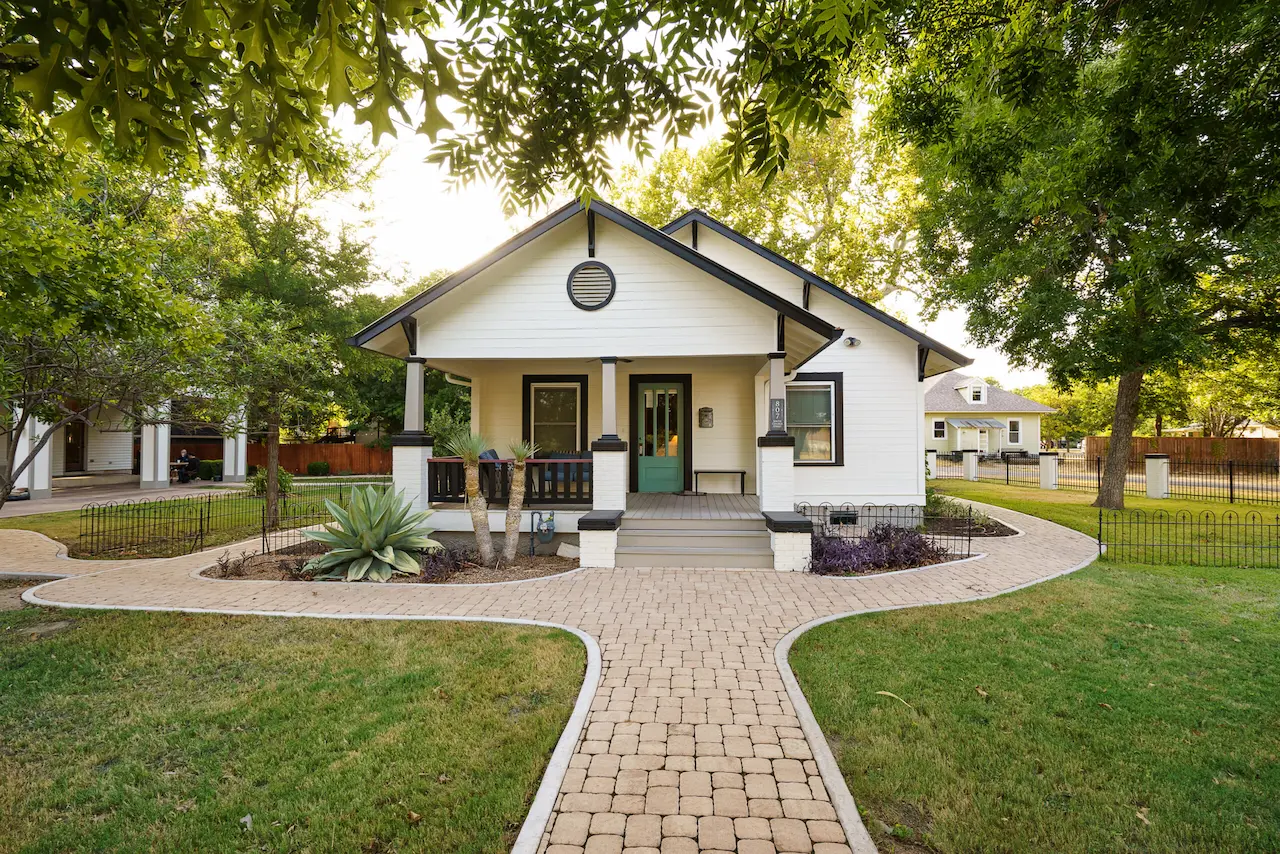

Women's Programs



Contact Us
You understand your needs best. If you have found yourself at a crossroads in your treatment and feel like your program options don’t fully understand you or aspects of your recovery, it’s time to contact the specialists at Alta Loma.
phone
(866) 457-3843
Opening Hours
Open 24 Hours
Address
103 E 8th St, Georgetown, TX 78626
Fill Our Our Form
We answer all responses as soon as we recieve them.