




Individuals and Families Facing Mental Health Challenges
At Alta Loma, we treat men and women of all ages with severe mental health or psychiatric issues. We also treat co-occurring substance use disorder, if applicable.
At Alta Loma, we know that mental illness affects individuals from all walks of life. However, it isn’t a topic that is openly discussed due to fear, uncertainty, and stigma. Our goal is to break the silence and provide high-quality care that meets the distinctive needs and challenges of individuals seeking treatment for mental and emotional turmoil.
This is especially critical during the early and transitional periods of recovery.
Just minutes from Austin, TX, our team is ready to help
If you or someone you care about is struggling to address your need for mental health, Alta Loma could mean the difference between relapse and long-term recovery
Adults Facing Severe Mental Illness
For many adults facing severe mental illness, even day-to-day functioning can be extremely difficult. At Alta Loma, we help treat a variety of mental health disorders of varying degrees. This includes schizophrenia, bipolar disorder, schizoaffective disorder, and personality disorders.
Individuals Experiencing a Mental Health Crisis
Throughout our unique care services, we provide the support, stabilization, and structure necessary for those experiencing a mental health crisis to begin to restore balance.
Clients With Co-Occurring Substance Use Disorders
Mental health and substance abuse are closely linked. Dual diagnosis occurs when someone experiences both simultaneously.
Also referred to as co-occurring disorders, those with a mental health disorder may use drugs or alcohol in an effort to self-medicate and alleviate their symptoms. More often than not, illicit substances exacerbate mental health concerns. Examples of these concerns may include anxiety and depression, leading to a negative cycle of worsening symptoms and increased substance use.
Furthermore, long-term substance use can permanently alter your brain chemistry and make it difficult to feel happiness or pleasure, regulate your emotions, or think clearly without drugs or alcohol. As a result, individuals with a dual diagnosis are confronted with unique challenges in recovery and may have a more difficult time achieving sobriety in traditional programs that don’t address their mental health needs.
Research shows a high prevalence of co-occurring disorders in the United States, affecting nearly half of those seeking treatment for drug and alcohol addiction. Unfortunately, more than 50% of individuals with a dual diagnosis don’t receive proper medical or psychiatric treatment. Neglecting to address co-occurring disorders is a roadblock to recovery that negatively impacts the likelihood of treatment success.

Conditions We Treat
Our mental health treatment programs are designed to address a broad range of psychiatric disorders and stabilize individuals for long-term wellness.
Alta Loma acts as an effective alternative to more traditional treatment programs, providing individuals with a stable, structured environment and the support they need to improve their chances of long-term success.
Our experienced, licensed clinicians specialize in high acuity mental health disorders and collaborate to provide a coherent, consistent treatment plan throughout each stage of recovery. Each resident receives comprehensive care that addresses the whole person, leading to a higher level of success both during and after treatment.
Bipolar Disorder
Conditions like bipolar disorder are treated through evidence-based interventions that help to stabilize mood and support long-term symptom management. Treatment plans also include medication management and cognitive-behavioral therapy (CBT). CBT helps an individual begin to recognize triggers and develop new, healthier, and more effective ways of coping with stress.
Schizophrenia & Psychosis
Psychosis and schizophrenia often require psychiatric care when symptoms begin to interfere with an individual’s daily functioning. Some of these symptoms may include delusions, hallucinations, and disorganized thinking. Individualized treatment plans are utilized for symptom management. Additional therapeutic support and medication management help support stability and improve overall functioning.
Major Depression & Mood Disorders
Mood disorders and major depression can have a significant impact not only on a person’s emotional health and energy levels, but also on their overall functioning and quality of life. Extended treatment programs include psychotherapy and psychiatric care, including medication management to help stabilize symptoms. Residents develop coping mechanisms to manage stress and other negative emotions, supporting better daily functioning and mental and emotional health.
Co-Occurring Substance Use Disorders
Many people struggle with addiction alongside psychiatric disorders. At Alta Loma, we utilize integrated treatment plans that address both mental illness and substance use disorders simultaneously. Through one-on-one counseling, individuals can begin to understand the connections between these disorders and learn effective ways of managing them.
Acute Psychiatric Disorders
Psychiatric disorders require immediate mental and behavioral health attention, crisis intervention, and comprehensive psychiatric services. At Alta Loma, we help promote long-term stabilization to help those in recovery from mental illness manage their symptoms. Through structured support and individualized treatment, we help people in recovery develop the critical skills they need to thrive in their daily lives.
Our Continuum of Care
Alta Loma provides long-term mental health treatment for severe psychiatric disorders, delivered through a structured continuum designed to support stabilization and gradual community reintegration.
Rather than short-term inpatient treatment or hospital-based care, Alta Loma admits individuals into a primary program at The Ranch or Casa Esperanza, where psychiatric care, therapy, and daily structure help stabilize symptoms and build the foundation for long-term recovery. From there, clients may step down through additional levels of care as they progress.

Primary Program
All clients begin treatment in Alta Loma’s primary program. This phase provides a highly structured therapeutic environment for individuals experiencing severe mental illness. Treatment focuses on stabilization, psychiatric care, and individualized therapy while helping clients develop the skills needed to function more independently.
The minimum commitment is 12 weeks, though most individuals participate in treatment longer as they move through the full continuum of care.
Extended Care
After completing the primary phase of treatment, many clients transition to extended care, where they continue receiving psychiatric and therapeutic support while gaining greater independence.
Extended care helps reinforce the progress made during the initial stabilization phase while continuing to address symptoms of severe mental illness. Clients gradually increase responsibility, practice life skills, and continue participating in therapy and community-based activities.
Supportive Living and Community Reintegration
The final stage of Alta Loma’s continuum focuses on supportive living and community reintegration.
During this phase, clients begin transitioning back into everyday life while maintaining structured support from clinicians, peer specialists, and case managers. Continued psychiatric care, therapy, and life skills work help individuals maintain stability and build a sustainable routine outside of treatment.
Because recovery from severe psychiatric disorders often takes time, the average length of stay across the full continuum is close to one year, allowing individuals to stabilize and build long-term functioning before discharge.
Our Mental Health Services
At Alta Loma, our programs emphasize holistic stabilization, individualized treatment plans, and the guidance of mental health professionals to improve overall quality of life.

Individual Therapy & Group Therapy
Both individual and group therapy are key parts of treatment at Alta Loma. We utilize evidence-based psychosocial interventions guided by licensed clinicians. These sessions help individuals better understand their own mental struggles, while also learning and growing from the experiences of their peers.
Medication Management & Psychiatry Services
Medication management and ongoing psychiatric services are critical in order to ensure that medication is working as intended and that symptoms are being properly managed. This is key in preventing symptom relapse.
At Alta Loma, we begin with a thorough psychiatric evaluation to identify an individual’s unique needs. Our providers also coordinate with medical staff throughout the treatment process to make any necessary adjustments to the treatment plan and ensure positive progress both mentally and physically.
Discharge Planning & Care Coordination
After psychiatric care, proper discharge planning and care coordination are important to prevent relapse and ensure that residents continue to make progress after treatment. At Alta Loma, we prioritize step-down planning, referrals, and community mental health connections for ongoing support.
Family-Focused Care & Psychoeducation
It is challenging to maintain long-term recovery without a strong support system to rely on. At Alta Loma, we believe that family support is critical. We promote family involvement by engaging loved ones in therapy throughout the treatment process to enhance recovery outcomes.


Healing Environment & Supportive Experience
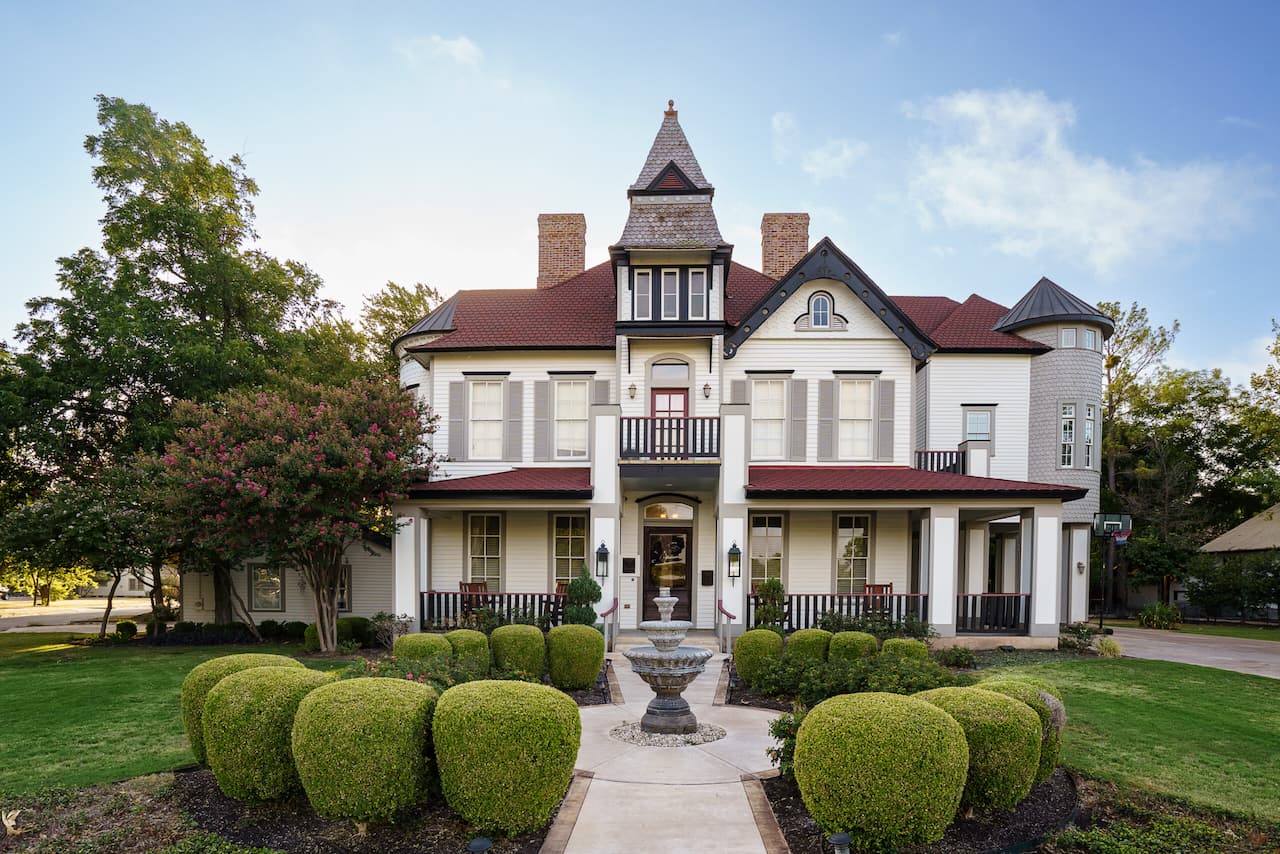
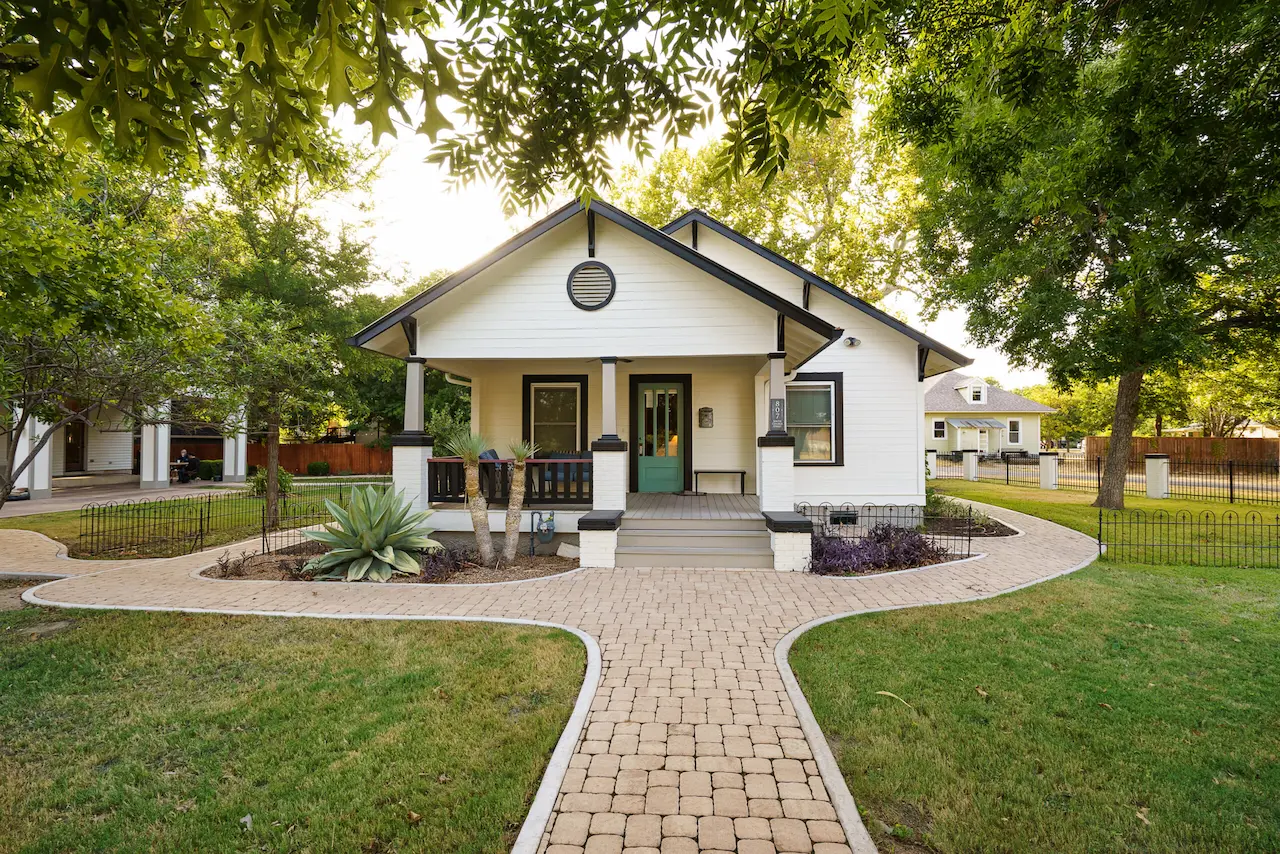
Alta Loma provides a safe, structured, and supportive environment designed to stabilize acute psychiatric symptoms while encouraging meaningful personal growth. Our calm, home-like setting creates a sense of comfort and security, while offering access to experienced medical staff, social workers, and case managers who guide each stage of care. Residents also benefit from thoughtfully designed therapeutic spaces that support both individual counseling and group interventions, fostering connection, healing, and long-term stability.
Conditions We Treat
Our mental health treatment programs are designed to address a broad range of psychiatric disorders and stabilize individuals for long-term wellness.
Alta Loma acts as an effective alternative to more traditional treatment programs, providing individuals with a stable, structured environment and the support they need to improve their chances of long-term success.
Our experienced, licensed clinicians specialize in high acuity mental health disorders and collaborate to provide a coherent, consistent treatment plan throughout each stage of recovery. Each resident receives comprehensive care that addresses the whole person, leading to a higher level of success both during and after treatment.
Bipolar Disorder
Conditions like bipolar disorder are treated through evidence-based interventions that help to stabilize mood and support long-term symptom management. Treatment plans also include medication management and cognitive-behavioral therapy (CBT). CBT helps an individual begin to recognize triggers and develop new, healthier, and more effective ways of coping with stress.
Schizophrenia & Psychosis
Psychosis and schizophrenia often require psychiatric care when symptoms begin to interfere with an individual’s daily functioning. Some of these symptoms may include delusions, hallucinations, and disorganized thinking. Individualized treatment plans are utilized for symptom management. Additional therapeutic support and medication management help support stability and improve overall functioning.
Co-Occurring Substance Use Disorders
Many people struggle with addiction alongside psychiatric disorders. At Alta Loma, we utilize integrated treatment plans that address both mental illness and substance use disorders simultaneously. Through one-on-one counseling, individuals can begin to understand the connections between these disorders and learn effective ways of managing them.
Major Depression & Mood Disorders
Mood disorders and major depression can have a significant impact not only on a person’s emotional health and energy levels, but also on their overall functioning and quality of life. Extended treatment programs include psychotherapy and psychiatric care, including medication management to help stabilize symptoms. Residents develop coping mechanisms to manage stress and other negative emotions, supporting better daily functioning and mental and emotional health.
Acute Psychiatric Disorders
Psychiatric disorders require immediate mental and behavioral health attention, crisis intervention, and comprehensive psychiatric services. At Alta Loma, we help promote long-term stabilization to help those in recovery from mental illness manage their symptoms. Through structured support and individualized treatment, we help people in recovery develop the critical skills they need to thrive in their daily lives.

Our Continuum of Care
Alta Loma provides long-term mental health treatment for severe psychiatric disorders, delivered through a structured continuum designed to support stabilization and gradual community reintegration.
Rather than short-term inpatient treatment or hospital-based care, Alta Loma admits individuals into a primary program at The Ranch or Casa Esperanza, where psychiatric care, therapy, and daily structure help stabilize symptoms and build the foundation for long-term recovery. From there, clients may step down through additional levels of care as they progress.
Primary Program
All clients begin treatment in Alta Loma’s primary program. This phase provides a highly structured therapeutic environment for individuals experiencing severe mental illness. Treatment focuses on stabilization, psychiatric care, and individualized therapy while helping clients develop the skills needed to function more independently.
The minimum commitment is 12 weeks, though most individuals participate in treatment longer as they move through the full continuum of care.


Extended Care
After completing the primary phase of treatment, many clients transition to extended care, where they continue receiving psychiatric and therapeutic support while gaining greater independence.
Extended care helps reinforce the progress made during the initial stabilization phase while continuing to address symptoms of severe mental illness. Clients gradually increase responsibility, practice life skills, and continue participating in therapy and community-based activities.
Supportive Living and Community Reintegration
The final stage of Alta Loma’s continuum focuses on supportive living and community reintegration.
During this phase, clients begin transitioning back into everyday life while maintaining structured support from clinicians, peer specialists, and case managers. Continued psychiatric care, therapy, and life skills work help individuals maintain stability and build a sustainable routine outside of treatment.
Because recovery from severe psychiatric disorders often takes time, the average length of stay across the full continuum is close to one year, allowing individuals to stabilize and build long-term functioning before discharge.

Our Mental Health Services
At Alta Loma, our programs emphasize holistic stabilization, individualized treatment plans, and the guidance of mental health professionals to improve overall quality of life.
Individual Therapy & Group Therapy
Both individual and group therapy are key parts of treatment at Alta Loma. We utilize evidence-based psychosocial interventions guided by licensed clinicians. These sessions help individuals better understand their own mental struggles, while also learning and growing from the experiences of their peers.
Discharge Planning & Care Coordination
After psychiatric care, proper discharge planning and care coordination are important to prevent relapse and ensure that residents continue to make progress after treatment. At Alta Loma, we prioritize step-down planning, referrals, and community mental health connections for ongoing support.
Family-Focused Care & Psychoeducation
It is challenging to maintain long-term recovery without a strong support system to rely on. At Alta Loma, we believe that family support is critical. We promote family involvement by engaging loved ones in therapy throughout the treatment process to enhance recovery outcomes.
Medication Management & Psychiatry Services
Medication management and ongoing psychiatric services are critical in order to ensure that medication is working as intended and that symptoms are being properly managed. This is key in preventing symptom relapse.
At Alta Loma, we begin with a thorough psychiatric evaluation to identify an individual’s unique needs. Our providers also coordinate with medical staff throughout the treatment process to make any necessary adjustments to the treatment plan and ensure positive progress both mentally and physically.

Healing Environment & Supportive Experience
Alta Loma provides a safe, structured, and supportive environment designed to stabilize acute psychiatric symptoms while encouraging meaningful personal growth. Our calm, home-like setting creates a sense of comfort and security, while offering access to experienced medical staff, social workers, and case managers who guide each stage of care. Residents also benefit from thoughtfully designed therapeutic spaces that support both individual counseling and group interventions, fostering connection, healing, and long-term stability.
Recognizing When to Seek Acute Mental Health Care
It’s important to seek acute mental health care when symptoms such as severe anxiety, depression, psychosis, or thoughts of self-harm escalate to the point that they interfere with safety, daily functioning, or the ability to care for yourself or others.
Rapid Deterioration in Functioning
A rapid deterioration in functioning could include anything from struggling to keep up at work or school to withdrawal from family members and friends. Changes in behavior like these are often a sign that an individual requires long-term mental health treatment.
Substance Use Complications
Co-occurring substance use disorders can worsen psychiatric symptoms if untreated. This could include worsened anxiety or depression, increased delusions, and several other mental and physical side effects. Integrated care that addresses both psychiatric issues and substance use is necessary.
Safety Concerns for Self or
Others
In some cases, psychiatric conditions can cause an individual to put themselves or those around them in danger. Emergency psychiatric care is often necessary for these kinds of crises. Individuals may need to be stabilized in the emergency department or a psychiatric inpatient program before transitioning to long-term care to address the root cause of their symptoms.
Psychotic Symptoms or Hallucinations
Symptoms such as hallucinations, delusions, and other forms of disorganized thought are often indications for immediate acute psychiatric care. These experiences can not only make it extremely difficult for an individual to function on a daily basis but can also put their overall safety at risk if not addressed.
Mood Swings, Mania, or Depression
In many cases, mood swings, mania, or depression can be signs that stabilization or psychiatric intervention may be necessary. These symptoms can significantly impact relationships, employment, overall daily functioning, and many other aspects of life. Through structured support, residents can learn effective coping mechanisms to handle these symptoms moving forward.
Program Highlights
Alta Loma takes a psychiatry-driven, evidence-based approach, ensuring each treatment plan is clinically sound, personalized, and guided by expert oversight. Care is both intensive and long-term, giving residents the time and structure needed to achieve meaningful, lasting stability. With a strong focus on community integration and family involvement, our program supports real-world application of skills while strengthening essential support systems for sustained wellness.

Individualized Treatment Plans and Medication Management
At Alta Loma, we’re raising the bar in psychiatric treatment by addressing the full scope of our residents’ emotional and mental health needs at every stage of recovery. We offer integrated mental health treatment in a therapeutic environment to help those who have had limited success in a traditional treatment setting, providing them with the comprehensive care they need to succeed.
Our primary treatment programs focus on addressing mental illness and the difficulties that come with it, including conflict, behavioral problems, and substance abuse, emphasizing how they relate and interact. We help residents explore the roots of their mental health challenges and how they have affected their lives. Residents will learn to identify and recognize harmful behaviors, develop appropriate life skills and coping strategies, and establish healthy habits that will prepare them for an independent life beyond treatment.
To better understand the individuals in our care, each resident will be thoroughly assessed by a licensed mental health provider to identify their primary mental health needs and any co-occurring disorders, including addiction. No path to recovery is the same. Our staff is committed to providing consistent, customized care that addresses the unique needs and experiences of each resident.
Additional Program Highlights
Some additional program highlights that clients can anticipate with Alta Loma include:
- Acute mental health care delivered by licensed psychiatrists and clinicians
- Evidence-based treatments, including cognitive-behavioral therapy (CBT), psychoeducation, and family-focused therapy
- Integrated dual-diagnosis programs
- Partial hospitalization and intensive outpatient programming combined with housing
- Community reintegration support for sustainable recovery

FAQs
Inpatient mental health treatment typically occurs in psychiatric hospitals or acute care facilities where individuals stay for short periods during a mental health crisis.
Alta Loma is different. Instead of short-term hospitalization, we provide long-term psychiatric treatment in a structured therapeutic environment. Many individuals arrive after experiencing inpatient care or psychiatric hospitalization and need more time and support to achieve lasting stabilization.
Our program focuses on extended psychiatric care, therapy, and community reintegration, helping individuals build the skills needed for long-term stability.
Social workers and case managers play an important role in care throughout the entire treatment process. This includes connecting clients with the resources they need, including finding psychiatric services that meet their needs, helping to communicate with family members, and aiding in finding critical resources like housing and employment.
Alta Loma does not operate as an acute inpatient psychiatric hospital. If someone is experiencing a mental health crisis requiring emergency stabilization, care may begin in an emergency room or psychiatric hospital before transitioning to a longer-term program.
Once stabilized, Alta Loma provides long-term psychiatric treatment and mental health services designed for individuals who require more support than short-term inpatient care can provide.
Psychiatric care is a central part of treatment at Alta Loma. Clients work closely with psychiatrists, therapists, and other mental health professionals who provide ongoing evaluation, medication management, and therapy. Treatment plans are highly individualized and often evolve as symptoms stabilize and clients progress through the program.
This long-term approach allows individuals with complex psychiatric disorders to receive the consistent psychiatric care and monitoring often needed after hospitalization or acute treatment.
At Alta Loma, we treat mental health and co-occurring substance use disorders simultaneously by working to get to the root cause of each disorder. This includes integrated treatment focused on both conditions and life skills that help support lasting recovery.
Medication management and psychotherapy are utilized simultaneously to support both the biological and mental aspects of a client’s condition. Not only do we work to help treat symptoms, but we also help provide the skills clients need to cope with them in the future.
We ensure our clients are set up for success by working with them to develop a discharge plan that includes connecting them with the resources they need to support long-term stabilization. This may include psychiatry, therapy, case management, and peer support services outside of Alta Loma, as well as local outpatient treatment options and housing placement.
Group therapy and psychosocial support reduce isolation and help individuals realize they are not alone in their experiences.
In a group setting, people can share challenges, gain perspective, and learn coping strategies from both peers and clinicians, which often improves insight and emotional resilience.
Psychosocial support – such as life skills training, case management, and community connection – helps individuals rebuild daily functioning, strengthen relationships, and maintain stability outside of treatment, all of which are essential for long-term recovery.
At Alta Loma, our medical staff provides everything from medication management to complete mental health evaluations, life skills development, and access to individualized therapy.

Contact Us
You understand your needs best. If you have found yourself at a crossroads in your treatment and feel like your program options don’t fully understand you or aspects of your recovery, it’s time to contact the specialists at Alta Loma.
phone
(866) 457-3843
Opening Hours
Open 24 Hours
Address
103 E 8th St, Georgetown, TX 78626
Fill Our Our Form
We answer all responses as soon as we recieve them.