
Comprehensive Depression Treatment Within Long-Term Mental Health Care
Adults living with serious mental health disorders receive personalized care from psychiatrists and clinicians who specialize in evidence-based treatments throughout our program. Our in-person, extended care model deeply integrates family involvement, recognizing that healing is most effective when loved ones are part of the journey. Many families turn to us after outpatient or short-term programs fall short, seeking the lasting relief and support their loved one truly deserves.
Just minutes from Austin, TX, our team is ready to help
If you or someone you care about is struggling to address your need for mental health, Alta Loma could mean the difference between relapse and long-term recovery
At Alta Loma, we know that depression can often go unnoticed or unspoken – but it’s no less real or painful. It can affect every aspect of life, from relationships and work performance to motivation and self-worth. Our team is here to support men and women in reclaiming their lives through comprehensive and compassionate care. We provide personalized care for those who are ready to address their depression and find their way back to purpose and stability.
Start your journey
When Depression Requires a Higher Level of Care
Many clients arrive after struggling in outpatient programs, partial hospitalization, or short-term intensive inpatient settings. Others may have had repeated treatment attempts that did not provide lasting stability. Alta Loma offers a higher level of care that is designed for those with severe depression and other complex diagnoses who require more structure, time, and clinical oversight to truly thrive.
Signs and Symptoms of Severe Depression
Depression is one of the most common and serious mood disorders, though it often goes unrecognized or untreated due to stigma and cultural expectations. Disorders such as major depressive disorder or persistent depressive disorder go far beyond occasional sadness. They can cause persistent feelings of emptiness, worthlessness, and a loss of interest in once-meaningful activities.
Depression is often characterized by a constant sense of worry or fear, a sense of restlessness or feeling on edge, and, in some cases, panic attacks. However, depression can manifest itself in many different ways. Additional symptoms of depression may include:
- Irritability or difficulty focusing
- Sleep disturbances
- Heart palpitations or shortness of breath
- Avoidance of situations that might trigger anxiety
- Feelings of worthlessness
- Excessive guilt
- Fatigue
- Self-harm or suicidal ideation
At Alta Loma, we create a foundation for true, long-lasting wellness.
Depression and Co-Occurring Mental Health Conditions
Depression is a complex mental health condition that can be influenced by brain chemistry, life stressors, trauma, and genetic factors. In many cases, it does not occur alone. Many people experience co-occurring disorders, which can make it more difficult to diagnose and can complicate treatment.
For example, some people experience depression alongside another mood disorder like bipolar disorder, anxiety disorders, or substance use disorders. When the symptoms of these conditions overlap, it can make it more difficult to get to the root cause and determine treatment options that will be truly effective. A comprehensive evaluation and coordinated treatment are often necessary to move forward effectively.
At Alta Loma, our structured and supportive environment allows for open, judgment-free exploration of difficult emotions, thoughts, and behaviors. We focus on the whole person – mind, body, and relationships – to help each resident understand the roots of their depression and build a new path forward.


Psychiatry-Led, Evidence-Based Severe Depression Treatment
At Alta Loma, we don’t just treat depression – we treat the individual behind it. Our treatment is guided by evidence-based, psychiatry-led care tailored to each resident’s unique needs. Rather than using a standard depression model that you may find at other severe depression treatment centers, we offer a far more comprehensive approach.
Depression does not just impact a person’s relationships or daily functioning. It can put their overall safety at risk. With that in mind, our team of clinicians provides evidence-based treatment that addresses the full scope of their condition.
Our program includes supportive housing and three levels of clinical care that work together to stabilize symptoms, build insight, and promote long-term resilience. Treatment modalities include:
- Cognitive-behavioral therapy (CBT)
- Dialectical behavior therapy (DBT)
- Medication management
- Trauma-informed care
- Individual therapy with licensed clinicians
- Group therapy
- Skills-based education
Through this multidisciplinary approach, Alta Loma helps those struggling not only to manage their depression but also to transform their outlook on life. With the right support, recovery is possible. You don’t have to go through this alone.
How Alta Loma Is Different
Our programs combine long-term, psychiatry-driven care with family support and individualized treatment plans to help men and women with severe mental health conditions achieve lasting stability.
Long-Term, Psychiatry-Driven Care
Individualized treatment led by board-certified psychiatrists ensures every resident receives expert guidance for complex mental health conditions. This approach supports lasting stability and a higher quality of daily life rather than short-term symptom relief.
Dual Diagnosis Support
Our programs are designed to treat co-occurring mental health and substance use disorders simultaneously, addressing the unique challenges of dual diagnosis for more effective recovery.
Family-Focused Therapy
Families are integral to the healing process, participating in weekly sessions and intensive monthly programs that strengthen support systems and improve treatment outcomes.
Holistic, Evidence-Based Approach
Our care combines psychotherapy, medication management, psychoeducation, and complementary therapies to create a comprehensive, science-backed plan tailored to each resident’s needs.
High Staff Involvement
Residents benefit from a high staff-to-client ratio, with continuous, personalized care from therapists, psychiatrists, and peer specialists throughout the treatment journey.
Community Reintegration Model
We focus on real-world skills and gradual reentry into the community, helping residents transition confidently while maintaining mental health stability.
Treatment Modalities That Support Long-Term Recovery
At Alta Loma, we recognize that effective treatment for depression goes beyond symptom management alone. To support long-term recovery, we utilize a variety of different evidence-based therapies to improve overall wellness. This includes developing practical and effective coping skills to strengthen self-awareness and emotional regulation. Through the critical life skills learned through our program, residents can be better equipped to handle stress, build relationships, and create a strong foundation as they navigate recovery.
Psychiatric Care and Medication
Management
Psychiatric care is a critical part of treatment, with a team of licensed clinicians providing ongoing evaluation and medication management to promote stability and symptom relief.
Dialectical Behavior Therapy for Emotional Regulation
Dialectical behavior therapy (DBT) is used to help residents develop effective skills for managing complex emotions, reducing harmful behaviors, and improving relationships.
Cognitive-Behavioral Therapy and Psychotherapy
Cognitive-behavioral therapy (CBT) and other forms of psychotherapy are utilized to help residents identify unhealthy thought and behavior patterns that contribute to their depression. From there, they can develop a better sense of self-awareness and healthier strategies for managing stress and other challenges.
Individual, Group, and Family Therapy
Individual therapy and group therapy play important roles in helping residents understand and process their experiences, develop better coping skills, and learn from the perspectives of others. Additionally, family therapy helps family members to better understand what their loved one is going through and how to best support them as they move forward with recovery.
Types of Depression We Treat
Depression is not a one-size-fits-all diagnosis. At Alta Loma, we treat both severe and complex depression disorders that are significantly impacting an individual’s overall functioning and quality of life.
Major Depressive Disorder (MDD)
- Persistent low mood, lack of motivation, and loss of interest
- Interferes significantly with work, relationships, and self-care
Persistent Depressive Disorder (Dysthymia)
- Ongoing low-level depression lasting two years or more
- May appear as chronic pessimism, fatigue, or disengagement
Situational Depression
- Depression triggered by specific life events (loss, trauma, major transitions)
- May become chronic without proper support
Bipolar Depression
- Periods of deep depression alternating with episodes of mania or hypomania
- Requires careful diagnosis and integrated care
Depression With Substance Use and Dual Diagnosis
Depression can sometimes occur alongside substance abuse, making treatment more complex. At Alta Loma, we provide supportive addiction treatment alongside mental health care to address co-occurring disorders.
Levels of Care Clients Often Transition From
Many people come to Alta Loma having previously participated in an outpatient program, an intensive outpatient program (IOP), partial hospitalization, or a short-term inpatient treatment program with little success. We take treatment to the next level by providing long-term, extended care in a supportive housing environment with the stability and support necessary for long-term recovery.


Family Involvement in the Treatment Process
Family members play an active role in the treatment process from beginning to end. At Alta Loma, family members are encouraged to attend family therapy to better understand what their loved ones are going through and how to best support them in recovery. Weekly family support groups and frequent check-ins with clinicians ensure that family members are always on the same page and understand what to expect from the next stage of the treatment process.
Planning for Long-Term Recovery and Aftercare
Preparing for aftercare is an important part of the treatment process and begins well before an individual is expected to be discharged. Our treatment team will work with the resident and their family members to create a personalized plan that supports long-term recovery and ongoing well-being. Aftercare plans may include housing placement and plans for ongoing psychiatry, therapy, case management, and peer support.

When to Seek Professional Help for Depression
If depression has begun to affect overall daily functioning, relationships, or well-being, it may be time to seek professional help. Persistent hopelessness, loss of interest in daily life, and thoughts of self-harm all indicate the need for depression treatment. Through early intervention and effective treatment, long-term recovery is possible.

A Structured, Therapeutic Environment
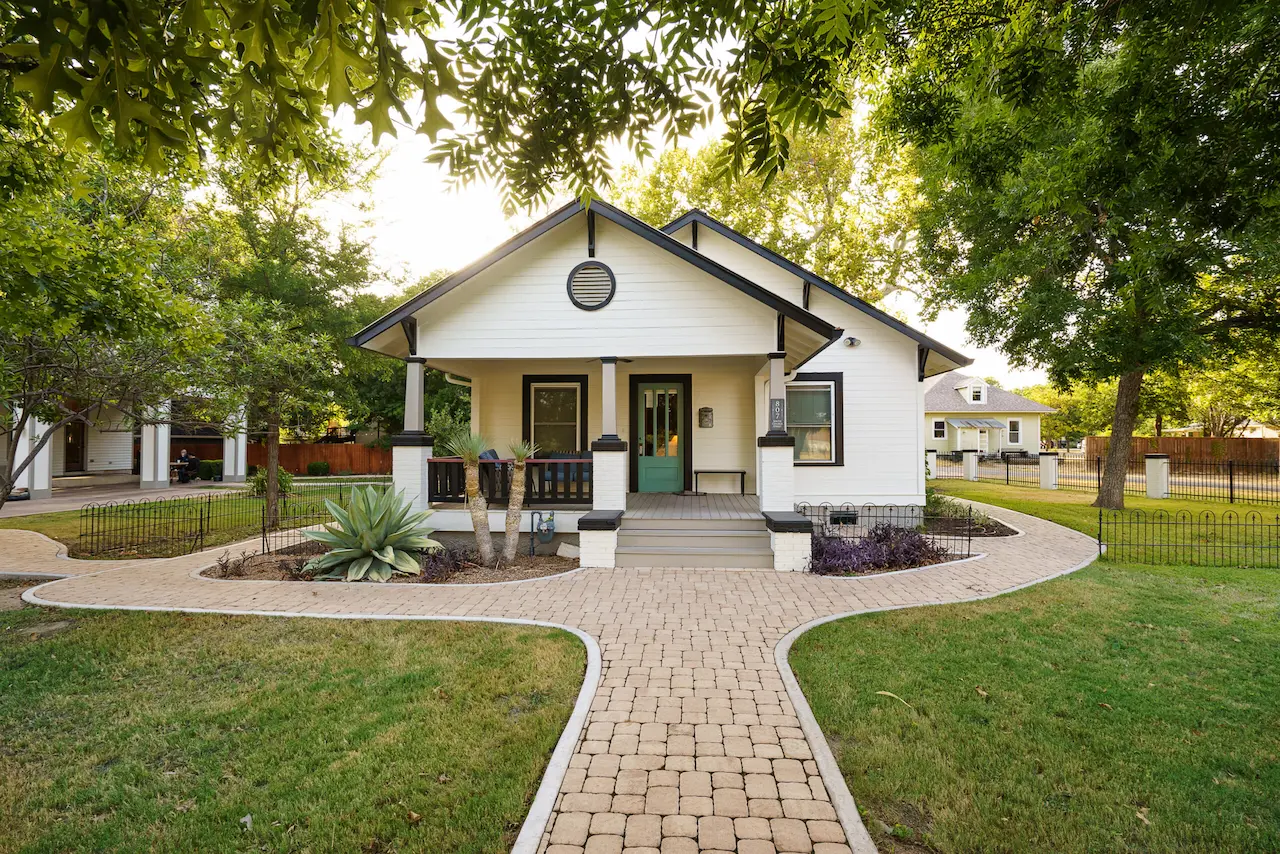
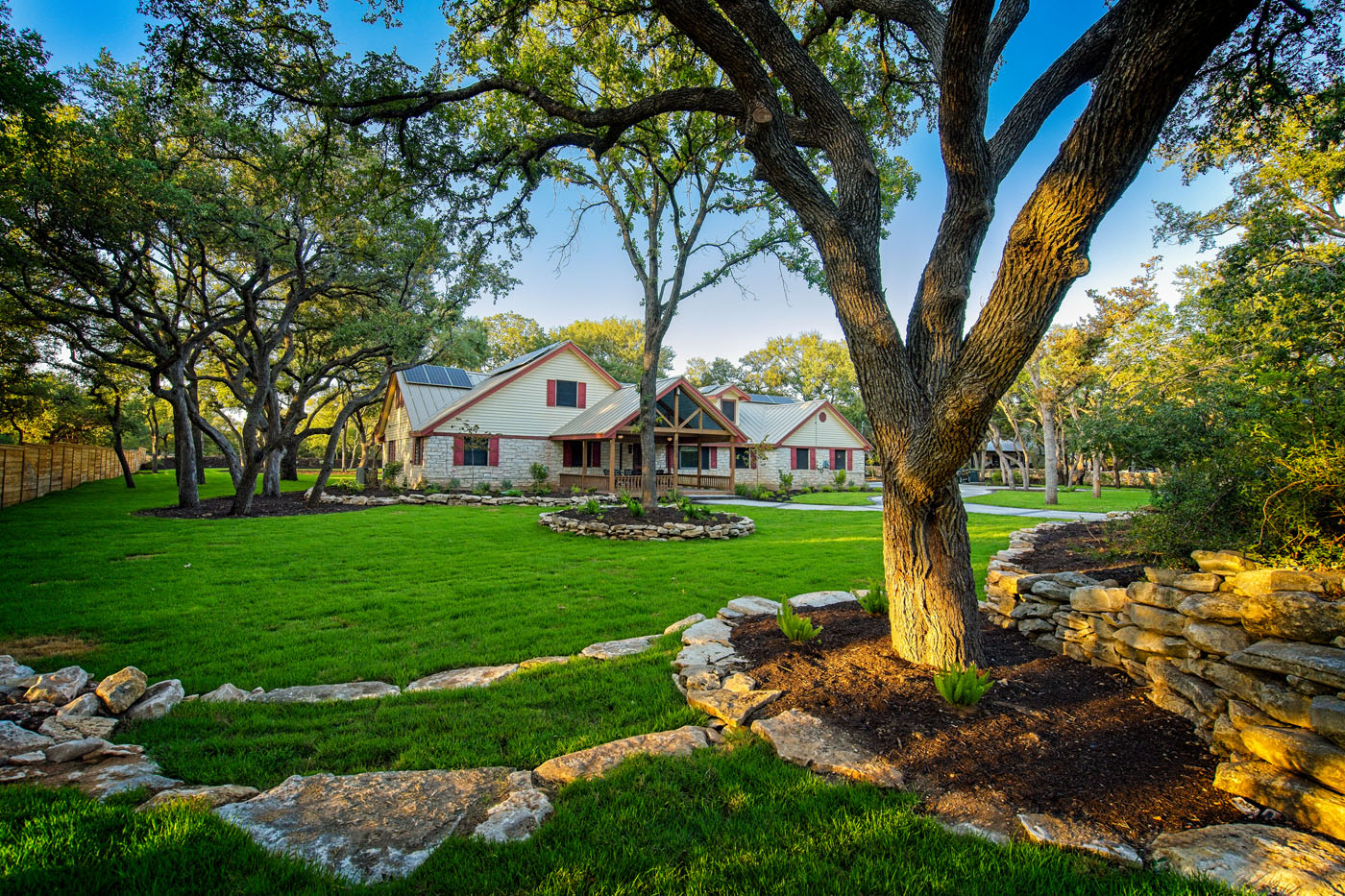
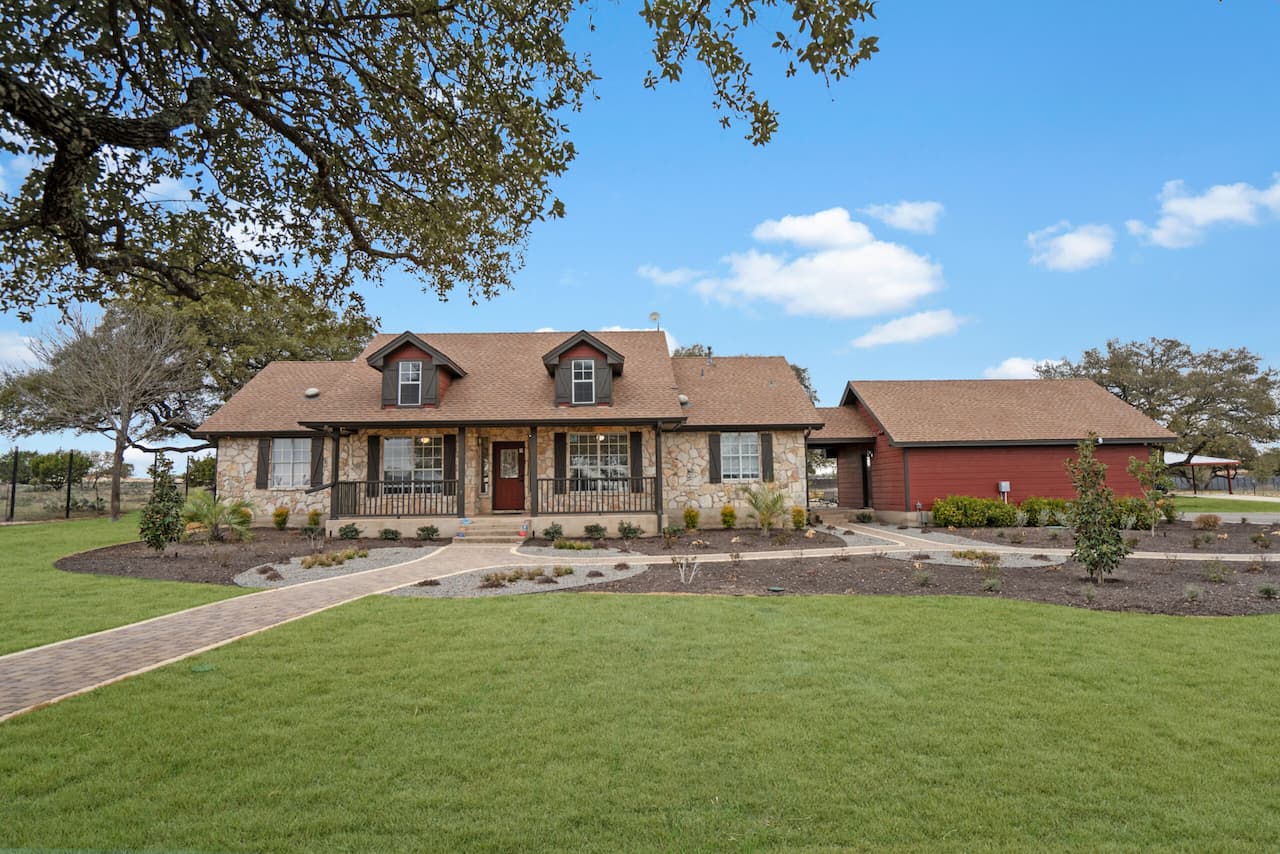
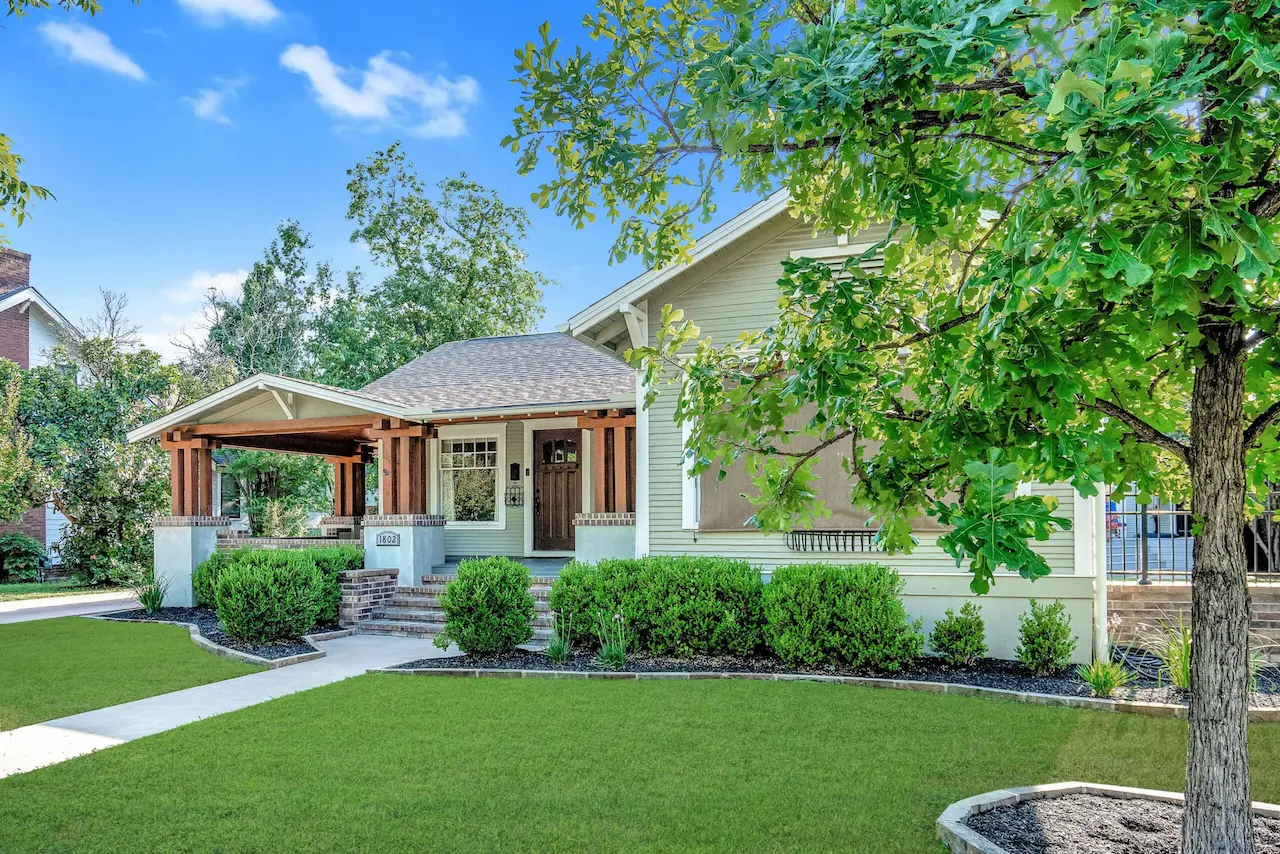
Our primary programs at The Ranch and Casa Esperanza are meticulously crafted to offer solace, recovery, and a feeling of belonging. From a supportive environment with shared spaces that nurture relationships and companionship to behavioral health treatment approaches, each aspect of our facility has been carefully planned to enhance the journey to well-being.


Depression FAQs
Our approach focuses on long-term, evidence-based, and psychiatry-driven care that goes beyond addressing just the symptoms of depression themselves.
Yes, we treat severe and complex depression disorders.
Yes, treatment is long-term. Residents spend a minimum of 12 weeks with us, with an average stay lasting a year, while individuals move through our continuum of care.
Yes, our team of licensed clinicians provides medication management, including the prescribing of antidepressants, as a critical part of treatment.
Yes, family members play an active role in the treatment process.
Be supportive and nonjudgmental. Encourage them to talk openly, seek professional help, and stay connected. Sometimes just being there and listening can make a big difference.
We use a combination of evidence-based therapies such as DBT, CBT, individual therapy, group therapy, and life skills education.
This program is appropriate for those who have already tried outpatient treatment or short-term inpatient treatment without experiencing lasting recovery.
Each treatment plan is carefully tailored to each person’s unique, individual needs.
Our Facilities & Programs
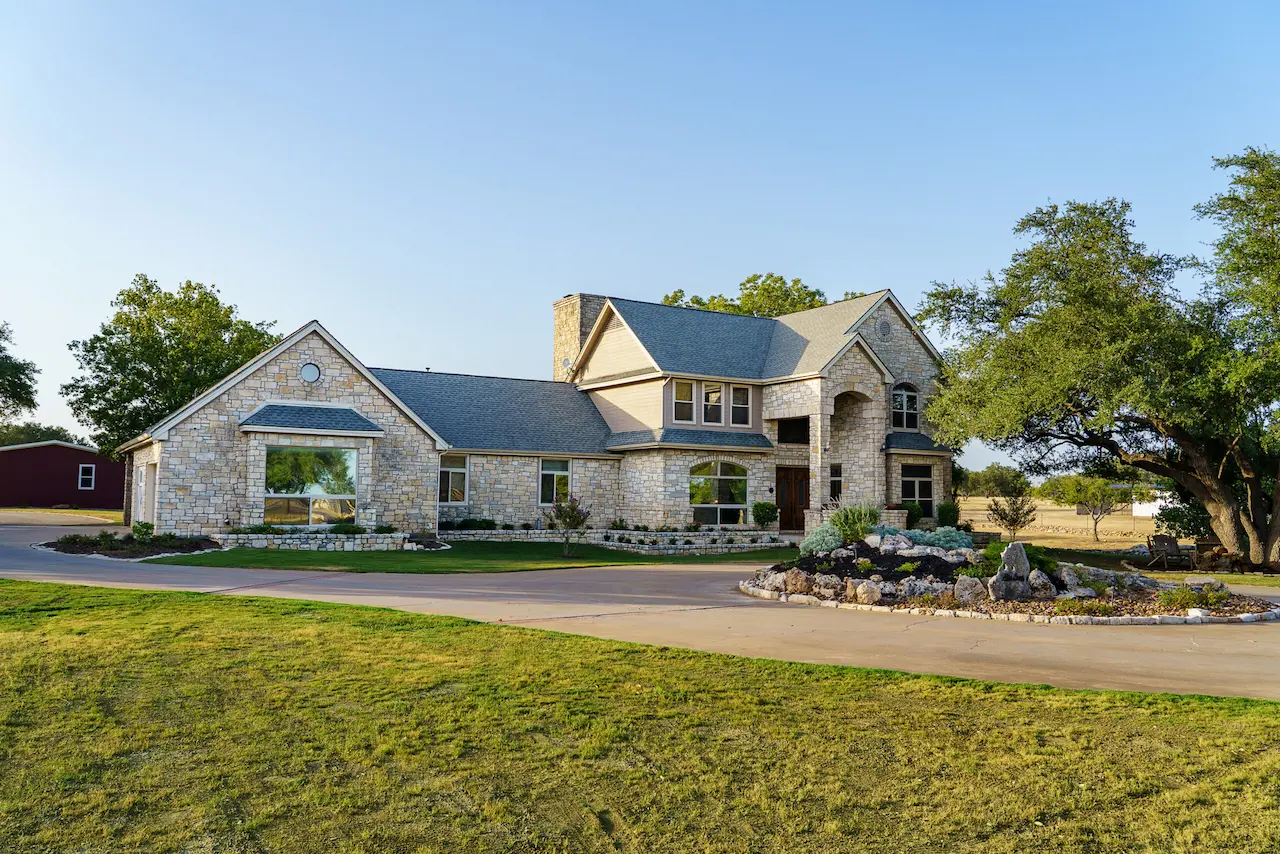
Men's Programs
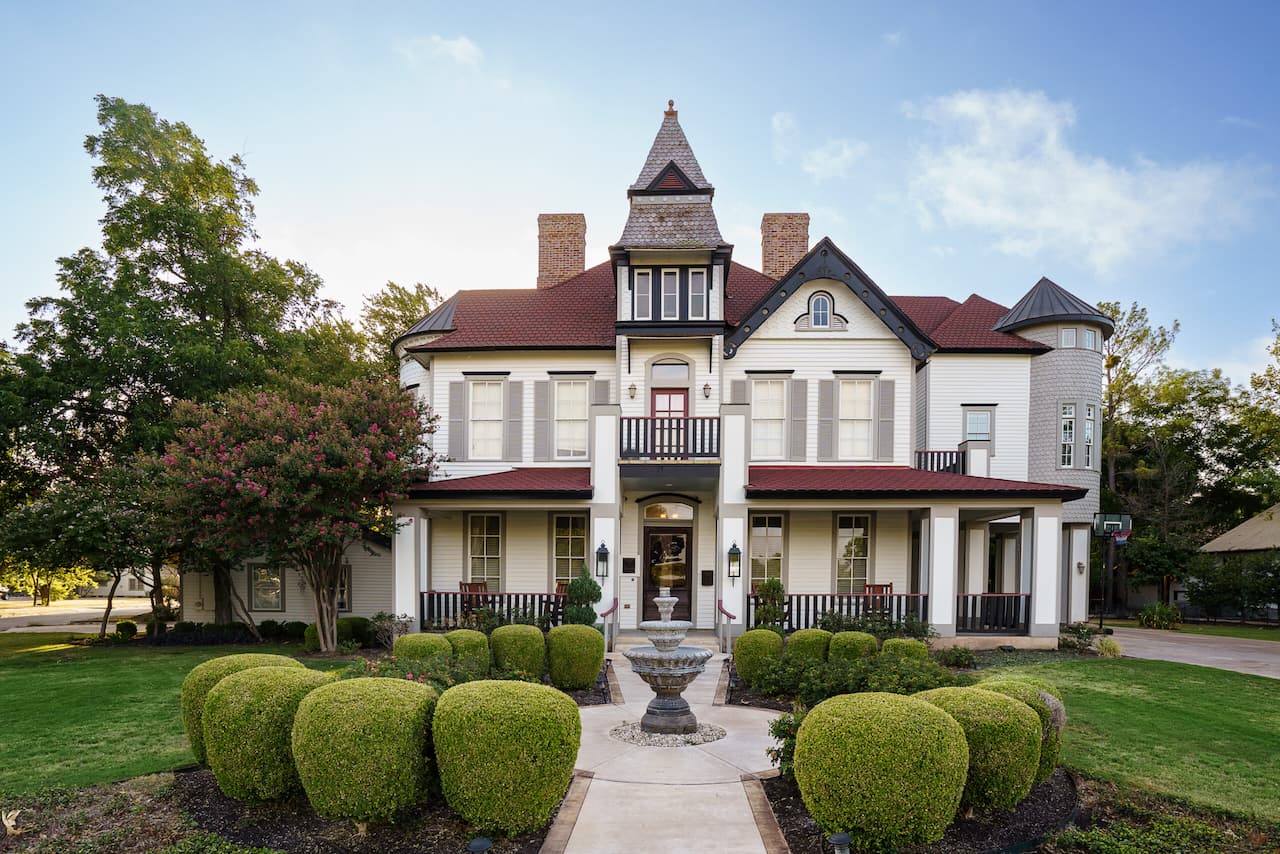
Women's Programs

Contact Us
You understand your needs best. If you have found yourself at a crossroads in your treatment and feel like your program options don’t fully understand you or aspects of your recovery, it’s time to contact the specialists at Alta Loma.
phone
(866) 457-3843
Opening Hours
Open 24 Hours
Address
103 E 8th St, Georgetown, TX 78626
Fill Our Our Form
We answer all responses as soon as we recieve them.