
Specialized OCD Treatment Near Austin, Texas
At Alta Loma, we are dedicated to helping individuals overcome the challenges of obsessive-compulsive disorder (OCD) or related disorders such as co-occurring generalized anxiety disorder and substance use disorder (SUD).
We recognize how OCD can interfere with daily routines, personal relationships, and professional goals. Our compassionate team employs proven therapeutic methods to help residents take control of their symptoms and rebuild a fulfilling life.
Discover how Alta Loma’s tailored OCD treatment near Austin, TX, can support your journey to recovery.
Just minutes from Austin, TX, our team is ready to help
If you or someone you care about is struggling to address your need for mental health, Alta Loma could mean the difference between relapse and long-term recovery

Understanding Obsessive-Compulsive Disorder (OCD)
Obsessive-compulsive disorder (OCD) is a condition marked by persistent, intrusive thoughts and compulsive behaviors aimed at reducing anxiety. These behaviors can take up a significant amount of time, disrupting a person’s ability to function normally. Symptoms often emerge during adolescence or early adulthood and can range from mild to severe.
Left untreated, OCD can cause significant emotional distress and hinder day-to-day functioning. At Alta Loma, we specialize in providing individualized care plans tailored to each resident’s unique needs, setting the foundation for lasting wellness.
Common OCD Symptoms
OCD involves obsessions and compulsions.
- Obsessions: Intrusive thoughts, images, or urges that are difficult to ignore
- Compulsions: Repeated actions or rituals performed to ease distress caused by obsessions
Obsessions vs. Compulsions
OCD is a complex mental health condition that affects people differently. It is not just about being overly organized or having a preference for cleanliness, as it is often misunderstood. Instead, OCD involves persistent cycles of obsessions and compulsions that can create overwhelming stress and disrupt everyday life.
Obsessions can include intrusive fears of contamination, harm, or perfectionism, while compulsions may manifest as repetitive behaviors like excessive handwashing, checking, or arranging items.
When OCD Begins to Cause Daily Impairment
OCD leads to significant disruptions in daily life by generating intense, unwelcome thoughts known as obsessions. To cope with the anxiety these thoughts create, people feel compelled to engage in lengthy, repetitive behaviors called compulsions. These actions can consume several hours each day, interfering with work, education, and personal relationships, and prompting avoidance of triggers that cause discomfort.
About the Different Types of OCD
At Alta Loma, we are dedicated to helping individuals navigate the complexities of mental health conditions, including obsessive-compulsive disorder (OCD). While OCD is a single diagnosis, it can manifest in various ways, each with unique themes. Understanding these subtypes is an important step toward receiving personalized, effective gold standard care.
Contamination OCD
- Obsessions: Intense fear of germs, dirt, or contamination
- Compulsions: Excessive cleaning, handwashing, or avoiding situations and objects perceived as unclean
Harm OCD
- Obsessions: Persistent fear of accidentally or intentionally harming oneself or others
- Compulsions: Repeated checking or avoiding situations to ensure safety
Symmetry and Order OCD
- Obsessions: A need for objects to be perfectly aligned or feel “just right”
- Compulsions: Constant organizing, rearranging, or adjusting items to achieve balance
Checking OCD
- Obsessions: Fear of making mistakes or failing to ensure safety
- Compulsions: Repeatedly checking locks, appliances, or other items to alleviate anxiety
Intrusive Thoughts OCD
- Obsessions: Unwanted, distressing thoughts of a violent, sexual, or inappropriate nature
- Compulsions: Mental rituals, such as neutralizing thoughts, seeking reassurance, or avoiding triggers
Relationship OCD (ROCD)
- Obsessions: Doubts about the validity or quality of personal relationships
- Compulsions: Seeking constant reassurance, analyzing feelings, or comparing relationships to others
Existential OCD
- Obsessions: Deep and unsettling questions about life’s meaning, reality, or existence
- Compulsions: Excessive rumination, seeking philosophical answers, or researching existential topics
Somatic OCD
- Obsessions: Heightened focus on bodily sensations, such as breathing, blinking, or swallowing
- Compulsions: Fixating on or trying to control these sensations consciously

Conditions Commonly Treated
Alongside OCD
OCD frequently coexists with other conditions such as depression, anxiety, or substance use disorders. Because OCD frequently occurs with other mental health conditions, comprehensive care must address co-occurring disorders at the same time.
Anxiety Disorders and Panic Disorder
It is common for people with obsessive-compulsive disorder (OCD) to also face anxiety or panic disorders. These disorders frequently influence one another, with each feeding into the other. Obsessive thoughts can provoke panic, which in turn exacerbates the compulsive behaviors associated with OCD.
Tic Disorders and Related Conditions
Tic disorders, such as Tourette’s syndrome, often occur alongside obsessive-compulsive disorder (OCD). When these two conditions co-occur, it is typically referred to as “Tourettic OCD.” This variation tends to emerge earlier in life, is more common in males, and features compulsive behaviors stimulated by physical sensations instead of anxiety.
Depression and Mood Challenges
Depression frequently occurs alongside OCD, causing feelings of intense sadness and hopelessness. When these two conditions exist together, they tend to worsen the intensity of symptoms, hinder daily functioning, and elevate the risk of suicide.
Body-Focused Repetitive Behaviors (Hair Pulling and Skin Picking)
Body-focused repetitive behaviors (BFRBs) like trichotillomania (hair pulling) and excoriation (skin picking) are grooming behaviors that cause physical damage. They are closely related to OCD, but are not the same diagnosis. Repetitive behaviors may manifest as a result of compulsions seen in OCD.
Evidence-Based Therapies Used in Our OCD Treatment Program
At Alta Loma, we recognize the unique ways in which OCD can affect each individual. That’s why we provide tailored treatment plans that address the specific subtypes and needs of our clients.
If you or a loved one is struggling with OCD, Alta Loma is here to help. Our compassionate team is dedicated to providing the specialized treatment, care, and support needed to achieve lasting recovery and live a fulfilling life.
Integrated into our care programs are a variety of evidence-based approaches designed to help individuals understand and manage the complexities of living with OCD. Through a multidisciplinary approach, we aim to empower each person with the tools, strategies, and insights necessary to reduce the impact of obsessions and compulsions, fostering resilience and enhancing their overall quality of life.

Cognitive-Behavioral Therapy (CBT)
Cognitive-behavioral therapy (CBT) is a type of therapy designed to help residents manage and transform their problematic thoughts, actions, and feelings. CBT aims to disrupt two specific connections seen in OCD. The first connection links feelings of distress to the thoughts, objects, or situations that trigger those feelings. The second connection relates to the belief that performing ritualistic actions can reduce that distress. Using CBT in the treatment of OCD helps sever the instinctive link between anxiety and the need to engage in these rituals.
Exposure Therapy
Exposure and response prevention (ERP) is recognized as the leading evidence-based treatment for OCD. This therapeutic approach involves gradually and willingly confronting feared thoughts or scenarios (exposure), all while making a conscious effort to avoid engaging in compulsive behaviors or rituals (response prevention).

Psychiatry and Medication Management
Psychiatry for OCD often involves the prescription of selective serotonin reuptake inhibitors (SSRIs). During the medication management process, a healthcare professional oversees the prescription of medication, monitors side effects, and adjusts dosages to find the best medication regimen as well as avoid over-medication.

Individual Therapy
One-on-one therapy helps create a confidential, safe environment that is often needed for those with OCD to confront their anxiety head-on.

Family Therapy and Loved One Support
Although individual therapy can help you process emotions safely, family therapy can help loved ones develop the tools needed to provide the emotional support you need to cope with the effects of OCD and co-occurring disorders.

Mindfulness-Based Strategies
Holistic therapy, such as mindfulness and meditative practices, can help you manage your OCD symptoms. At Alta Loma, our clinical team teaches you mindfulness-based strategies such as observing intrusive thoughts, labeling OCD thoughts, practicing non-judgmental awareness, and more.
Why Alta Loma Is Different
Our programs combine long-term, psychiatry-driven care with family support and individualized OCD treatment plans to help men and women achieve lasting stability.

Dual Diagnosis Support
Our support groups are designed to treat co-occurring mental health and substance use disorders simultaneously, addressing the unique challenges of dual diagnosis.
Family-Focused Therapy
Families are integral to the healing process, participating in weekly sessions and intensive monthly programs that strengthen support systems and improve treatment outcomes.
High Staff Involvement
Residents benefit from a high staff-to-client ratio, with continuous, personalized care from therapists, psychiatrists, and peer specialists throughout the intensive treatment journey.
Long-Term, Psychiatry-Driven Care
Our treatment program is led by board-certified psychiatrists who ensure every resident receives the expert guidance needed to navigate complex mental health conditions. This approach supports lasting stability rather than short-term symptom relief.
Community Reintegration Model
Real-world skills and gradual reentry into the community help residents transition confidently while maintaining mental health stability.
Holistic, Evidence-Based Approach
Our care combines psychotherapy, medication management, psychoeducation, and complementary therapies to create a comprehensive, evidence-backed plan tailored to each resident’s needs.

Alta Loma Admissions Team
Our OCD treatment center can help you craft the ideal treatment plan and quickly secure the support you need through state-of-the-art treatment options to avoid unnecessary problems. At Alta Loma, that’s our mission — to provide you with optimum care for the well-being you deserve.
Just minutes from Austin, TX, our team is ready to help. If you or someone you care about is struggling to address your need for mental health treatment, Alta Loma is here to help.
Levels of Care for OCD Treatment
Our program includes supportive housing and three different levels of treatment options at our clinical facility.
Partial Hospitalization Program (PHP)
Alta Loma combines a partial hospitalization program (PHP) with supportive housing to ensure our residents receive the intensive care they need without the restrictions of inpatient care.
Intensive Outpatient Program (IOP)
IOP is typically a step down from PHP. Residents may also attend IOP for less severe mental health challenges. While our IOP continues to include supportive housing, residents attend therapy and groups for less time during the day.
Transitional and Supportive Living
Here at Alta Loma, we understand that the transition into independent living can be challenging. For that reason, we provide the tools, strategies, and resources to help you establish a supportive living environment.


A Structured OCD Treatment Program Built for Lasting Recovery
With appropriate treatment and support, you can learn to break free from the constraints of OCD and lead a balanced, fulfilling lifestyle.
Personalized Treatment Planning
At Alta Loma, we specialize in providing individualized care plans tailored to each resident’s unique needs, setting the foundation for lasting wellness.
High Clinician Involvement
Here at Alta Loma, you will receive rigorous admission, intense clinician involvement, and the option for an extended length of stay.
Intensive Therapeutic Support
Accelerated, deep-rooted therapy is essential to succeed. Our clinicians provide intensive care to achieve long-term stability.
Community Integration
Reintegration into the community can aid in relapse prevention. For that reason, our team at Alta Loma helps you transition into society and make healthy connections for continuous support.
Whole-Person Wellness
Alta Loma aims to treat you as a whole person – not just your symptoms. While our psychiatry-driven care will help stabilize symptoms, we dive even deeper, getting to the emotional and mental struggles of living with mental illness. This whole-person approach reduces the risk of mental health relapse.
CBT Treatment
Nutrition Education
Medication Management
Recreational Therapy
Truthought Curriculum
Community Integration
Tour Our Mental Health Campus
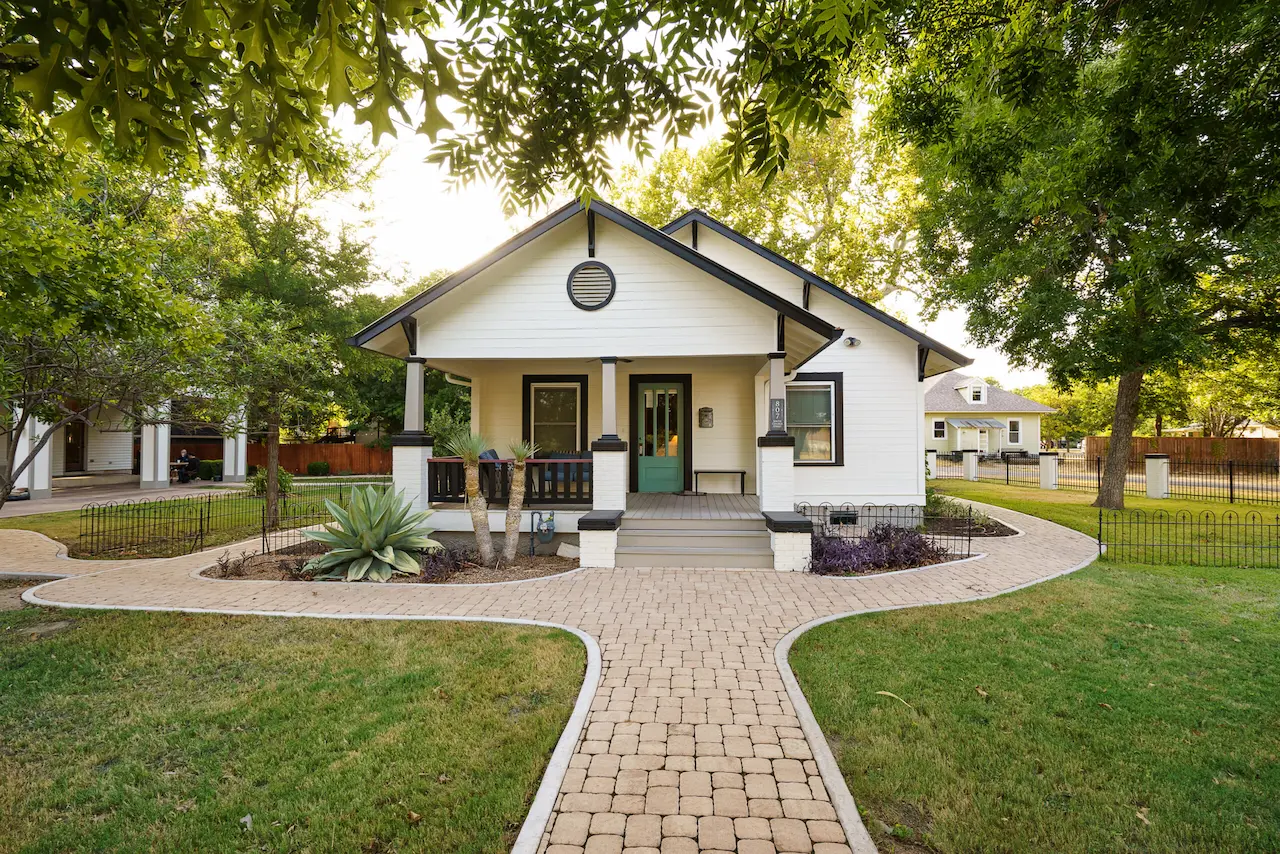
Our facilities are meticulously crafted to offer solace, recovery, and a feeling of belonging. From expansive, elegantly furnished bedrooms that guarantee seclusion and peace, to shared spaces that nurture relationships and companionship, each aspect has been planned to enhance the journey to well-being.



FAQs About OCD
One of the most effective treatments for OCD is cognitive-behavioral therapy (CBT) with exposure and response prevention (ERP), which helps individuals confront feared thoughts and refrain from compulsive rituals. Additionally, combining ERP with medication can also help produce better outcomes.
Yes, we do provide exposure and response prevention therapy to help you overcome the effects of OCD and related anxiety disorders.
Yes, we do offer outpatient treatment options. Residents can move through our three levels of care, which include a partial hospitalization program (PHP), an intensive outpatient program (IOP), and outpatient therapy.
The length of OCD treatment depends on the severity of your condition. However, the average length of stay for a resident at Alta Loma is one year.
Yes, we provide family-supported care to help you receive emotional support.
Our Facilities & Programs
Men's Programs



Women's Programs



Contact Us
You understand your needs best. If you have found yourself at a crossroads in your treatment and feel like your program options don’t fully understand you or aspects of your recovery, it’s time to contact the specialists at Alta Loma.
phone
(866) 457-3843
Opening Hours
Open 24 Hours
Address
103 E 8th St, Georgetown, TX 78626
Fill Our Our Form
We answer all responses as soon as we recieve them.