

Comprehensive Bipolar I Treatment
At Alta Loma, we aim to assist residents in regaining mental wellness and acquiring coping mechanisms for mental health challenges. Our facility offers extensive support for those managing a spectrum of mental health conditions, including the treatment of bipolar disorder, schizophrenia, personality disorders, and underlying substance use disorder, if applicable. With a dedicated team of skilled professionals, our services are guided by experienced mental health professionals and tailored to each resident’s specific needs and requirements, fostering a solid groundwork for enduring healing.
Just minutes from Austin, TX, our team is ready to help
If you or someone you care about is struggling to address your need for mental health, Alta Loma could mean the difference between relapse and long-term recovery
Life has its ups and downs. Whether we’re moving forward or standing still, there are countless twists, turns, and obstacles along the way. This is a normal part of being human, so we press on through the highs and lows. But for those with bipolar disorder, these variations are more extreme, with fluctuations in mood, thinking, and behavior that are disruptive to normal functioning. Emotions can become so volatile that it becomes difficult to maintain a sense of stability and balance in day-to-day life.
Bipolar disorder treatment is necessary to reduce depression and the severity and number of episodes of mania, prevent hypomanic episodes, and ensure a life of balance.


Understanding Bipolar Disorder
Bipolar disorder, a mental health condition, leads to sudden mood swings. Individuals with this disorder struggle with focus and energy shifts that hinder daily tasks. Alta Loma offers various programs to help manage bipolar depression and acute mania, supporting individuals in enhancing their mental well-being.
What Are Manic and Depressive Episodes?
Bipolar disorder has two main phases: manic and depressive. Manic episodes bring feelings of euphoria, heightened energy, illogical thoughts, and sometimes delusions. These are often followed by depressive episodes marked by low mood, decreased energy, and lack of interest in activities.
Types of Bipolar Disorder
There are multiple types of bipolar disorder. However, people typically experience type I or II. The extent to which an individual experiences the symptoms of bipolar disorder depends on their diagnosis.
According to the Diagnostic and Statistical Manual of Mental Disorders (DSM-5), those with bipolar I disorder are prone to full-blown manic symptoms, which can last for days or months, while individuals with bipolar II disorder experience less intense hypomanic and depressive symptoms.
While hypomania isn’t as severe as a manic episode, both can be frightening, debilitating, and disruptive to normal functioning.
Causes and Risk Factors of Bipolar Disorder
While no one knows the exact cause of bipolar disorder, some common risk factors have been identified, including a history of substance abuse, trauma, and mental illness within the family. In most cases, a combination of these and other factors plays a role in its development.
When bipolar disorder is treated through medical interventions and therapy, clients can learn how to reduce symptoms and better stabilize their mood.
Genetic and Biological Factors
Some research shows that individuals with bipolar disorder have distinct differences in their brains that may contribute to the condition. Bipolar disorder is much more common in people who have close family relatives (parents or siblings, for example) with the condition.
It was also recently discovered that gene expression patterns in the brains of those with bipolar disorder and autism are surprisingly similar.
Environmental and Substance-Related Factors
Prolonged substance use can change how the brain functions by affecting important neurotransmitters such as dopamine and serotonin. Drug use can’t cause bipolar disorder, but it can trigger its onset and contribute to worsening symptoms.
While looking for causes of bipolar disorder, researchers found that those who have it were more likely to have experienced trauma, extreme stress, or abuse during their childhoods.
While it’s not always clear why some people develop bipolar disorder and others don’t, there are treatment options available that can help regardless of the cause. To treat bipolar disorder, a combination of therapy and mood-stabilizing medication can get individuals back on track and help them identify the onset of manic or depressive symptoms, stabilize their moods, and develop an “emergency plan” for when manic or hypomanic episodes do occur.

Bipolar Disorder and Autism Spectrum Disorder
Our programs combine long-term, psychiatry-driven care with family support and individualized treatment plans to help people with severe mental health conditions achieve lasting stability.
Long-Term, Psychiatry-Driven Care
Individualized treatment led by board-certified psychiatrists ensures every resident receives expert guidance for complex mental health conditions. This approach supports lasting stability rather than short-term symptom relief.
Dual Diagnosis Support
Our programs are designed to treat co-occurring mental health and substance use disorders simultaneously, addressing the unique challenges of dual diagnosis for more effective recovery.
Family-Focused Therapy
Families are integral to the healing process, participating in weekly sessions and intensive monthly programs that strengthen support systems and improve treatment outcomes.
High Staff Involvement
Residents benefit from a high staff-to-client ratio, with continuous, personalized care from therapists, psychiatrists, and peer specialists throughout the treatment journey.

Why Alta Loma Is Different
Our programs combine long-term, psychiatry-driven care with family support and individualized treatment plans to help people with severe mental health conditions achieve lasting stability.
Long-Term, Psychiatry-Driven Care
Individualized treatment led by board-certified psychiatrists ensures every resident receives expert guidance for complex mental health conditions. This approach supports lasting stability rather than short-term symptom relief.
Dual Diagnosis Support
Our programs are designed to treat co-occurring mental health and substance use disorders simultaneously, addressing the unique challenges of dual diagnosis for more effective recovery.
Family-Focused Therapy
Families are integral to the healing process, participating in weekly sessions and intensive monthly programs that strengthen support systems and improve treatment outcomes.
High Staff Involvement
Residents benefit from a high staff-to-client ratio, with continuous, personalized care from therapists, psychiatrists, and peer specialists throughout the treatment journey.

Community Reintegration Model
Real-world skills and gradual reentry into the community are our priority, helping residents transition confidently while maintaining mental health stability.
Holistic, Evidence-Based Approach
Our care combines psychotherapy, medication management, psychoeducation, and complementary therapies to create a comprehensive, science-backed plan tailored to each resident’s needs. At Alta Loma, our treatment is guided by ongoing clinical trials and psychiatric guidelines provided by the National Institute of Mental Health.

Signs You or a Loved One May Need Help
Some signs to look out for if you think that you or a loved one may need help for bipolar disorder or another mental health condition include:
- Mood swings
- Psychotic symptoms
- Racing thoughts
- Reckless behavior
- Hopelessness
- Trouble concentrating
- Social withdrawal
- Changes in sleep or appetite patterns
Treatment Options for Bipolar Disorder
Alta Loma goes above and beyond to help residents with chronic mental health conditions overcome their challenges. Our programs integrate all aspects of emotional and mental wellness into a resident’s bipolar disorder treatment plan, helping them further stabilize their moods and work on achieving long-term recovery. This approach ensures each individual’s needs are met and that the messages, therapies, and services we deliver are cohesive throughout the bipolar disorder treatment process.
Psychiatric Care and Medication Management
Our goal is to provide clients with mental health disorders a safe landing place to begin healing and learn how to manage their symptoms. Depending upon a client’s specific needs, mood stabilizers and antipsychotic medications may be utilized. This may include medications such as:
- Quetiapine
- Cariprazine
- Lurasidone
- Risperidone
- Olanzapine
- Carbamazepine
In some cases, antidepressants such as fluoxetine may also be utilized to treat symptoms of depression and manage symptoms of bipolar disorder.
The long-term continuum of care available at Alta Loma will help residents move toward healthy and sustainable independent living while helping to mitigate the stress and anxiety that often arise during early recovery and transitional periods.
Contact us today and start your path to recovery.
Psychotherapy and Talk Therapy
Psychotherapy and talk therapy each play important roles in treatment by providing a safe place to express and explore thoughts and emotions. Through both individual and group therapy, residents can help to better understand their own behavior patterns and manage their symptoms. They can also work towards developing healthier and more effective coping strategies for stress and other negative emotions.
Program Highlights
At Alta Loma, we utilize trauma-informed, evidence-based care that is tailored to the specific needs of the individual. Our treatment is rooted in comprehensive psychiatric oversight with a strong emphasis on community reintegration and family focus. We believe that all of these things are important in providing our residents with the stability and support they need to thrive when they leave our facility.


Daily Life and Program Structure
Our program offers solace, recovery, and a feeling of belonging. Each aspect has been meticulously planned to enhance the journey to well-being.
Family Involvement and Support
Having a strong support system after completing treatment is critical for long-term recovery. Because of this, we prioritize family involvement and support throughout the treatment process. This includes providing each family member with the education and resources they need to learn more about their loved one’s condition and how to best support them.
Community Reintegration and Long-Term Recovery
We believe that community reintegration is critical as our clients transition back to their day-to-day lives following treatment and begin a life of recovery. We prioritize this through highly structured routines, life-skills development, and therapy. Through the critical skills they develop, our clients can establish a greater sense of independence and a smoother transition to school, work, and home life.
Our Facilities & Programs
Men's Programs


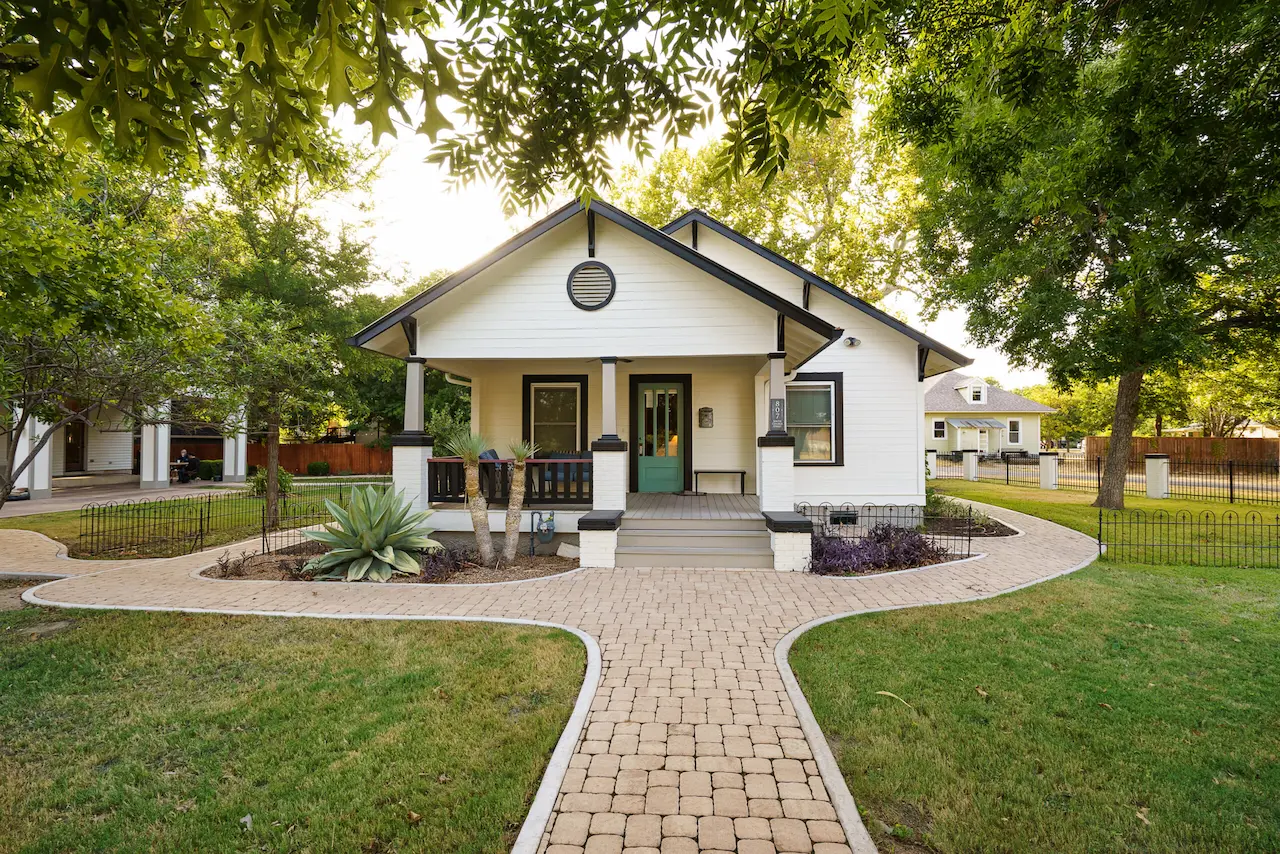

Women's Programs


FAQs
Alta Loma does not provide electroconvulsive therapy (ECT) within its primary program. Our model focuses on long-term, psychiatry-driven treatment for severe mental illness. If a client may benefit from services outside the scope of the program, our clinical team can help families explore appropriate medical providers.
Yes, in fact, therapy and antidepressant medications are often used together to maximize the results of treatment. While medication can help reduce the severity of symptoms and stabilize mood, therapy is important for developing healthy coping skills and addressing the root causes of the mental health condition.
Some potential side effects you should watch out for with antipsychotic medications include weight gain, muscle tremors, lightheadedness, fatigue, dry mouth, and changes in blood sugar levels.
Maintenance treatment helps consistently manage symptoms, ensuring they don’t worsen over time. It also ensures that any necessary adjustments can be made to the client’s treatment plan.
Some skills that may be taught for self-management of bipolar disorder include:
- Learning how to monitor and track your mood
- Developing healthy coping mechanisms for dealing with strong or difficult emotions
- Learning how to properly handle stress
- Problem-solving skills
- Boundary setting
- Communication skills
- Relapse prevention planning
Mood stabilizers can help prevent manic episodes and regulate mood. To ensure safe use, a full physical and psychiatric evaluation is done to determine the type of medication that will best meet the needs of the individual. Consistent medication monitoring will also be carried out to ensure the medication is working as intended and that any necessary dosage adjustments can be made.
Yes, thyroid issues and other medical conditions can affect bipolar disorder and the way that treatment works. These issues can lead to sudden mood swings and can make stabilizing mood more challenging.
Some potential warning signs of psychosis or severe manic episodes may include:
- Hallucinations
- Disorganized thinking or speech
- Racing thoughts
- Extreme paranoia
- Impulsive behavior
- Delusional beliefs
- Not feeling tired despite a lack of sleep
At Alta Loma, we use an individualized treatment plan tailored to a client’s specific needs to help stabilize mood. Our approach also includes consistent medication management and monitoring, as well as evidence-based treatment methods such as cognitive-behavioral therapy (CBT).

Contact Us
You understand your needs best. If you have found yourself at a crossroads in your treatment and feel like your program options don’t fully understand you or aspects of your recovery, it’s time to contact the specialists at Alta Loma.
phone
(866) 457-3843
Opening Hours
Open 24 Hours
Address
103 E 8th St, Georgetown, TX 78626
Fill Our Our Form
We answer all responses as soon as we recieve them.