
Long-Term Schizoaffective Disorder Treatment Center
While schizophrenia and depression are well-known, the merging of their symptoms can result in schizoaffective disorder. This condition, affecting less than 1% of the US population, combines traits of schizophrenia and mood disorders but is a distinct diagnosis in the DSM.
Individuals with schizoaffective disorder are frequently misdiagnosed as schizophrenic or bipolar. The clinicians at Alta Loma can discern the nuances of this disorder to assist you in a supportive environment. We focus widely on symptom management and your mental well-being.
Individuals with schizoaffective disorder are frequently misdiagnosed as schizophrenic or bipolar. The mental health experts at Alta Loma can discern the nuances of this disorder to assist clients in symptom management and mental well-being enhancement.
Get Healing on Your Terms
If you or someone you care about is struggling to address your need for mental health, Alta Loma could mean the difference between relapse and long-term recovery
Psychiatry-Directed Care for Complex Mood and Psychotic Disorders
Here at Alta Loma, we are psychiatry-driven, and this is an essential element of our programming. If you or a loved one is facing challenges with severe schizoaffective disorder, you may receive long-term, psychiatry-driven, community reintegration and sustained functioning, rather than short-term symptom suppression.
Individualized Treatment Plans Built Around Unique Needs
At Alta Loma, our clinical team believes you’re more than a diagnosis. We create individualized care plans that focus on your unique needs, helping you build lasting stability. A dedicated specialist will work with you to tailor services to your unique needs, supporting you every step of the way.
A Structured Inpatient Setting With Step-Down Treatment Options
We provide a structured inpatient program where your safety and progress come first. Upon completing inpatient treatment, we offer flexible step-down options, such as outpatient support, so you can transition at your own pace. We’ll also provide personalized aftercare planning and referrals to make sure you have the ongoing support you need.

Evidence-Based Therapies That Support Emotional and Functional Stability
Proven therapeutic approaches ensure quality care. Our expert team of therapists will work alongside you to help you learn new skills and strategies to support emotional regulation and long-term recovery. Evidence-based therapies offered at Alta Loma include the following:
- Cognitive-behavioral therapy (CBT)
- Dialectical behavior therapy (DBT)
- Individual therapy
- Group therapy sessions
- Family therapy

Understanding Schizoaffective Disorder
Schizoaffective disorder is a serious mental health condition with overlapping symptoms of schizophrenia, such as delusions or hallucinations, and mood-related symptoms, such as manic or depressive episodes. Much like there are different types of bipolar disorder, schizoaffective disorder can be characterized as either bipolar or depressive, depending on which symptoms you might experience.
Bipolar Type vs. Depressive Type
Bipolar type schizoaffective disorder
Includes alternating episodes of mania (“highs”) and major depression (“lows”).
Depressive type schizoaffective disorder
Includes episodes of major depression
Although the symptoms can vary, schizoaffective disorder makes it hard for a person to manage everyday problems related to work, school, and relationships. Left untreated, schizoaffective disorder can increase the risk of substance abuse, major depressive episodes, brain disorders, and a decreased ability to function normally.
Those with the condition may need extra support to manage their symptoms and improve their quality of life, but finding proper medical care and treatment for schizoaffective disorder can be challenging. That’s why Alta Loma provides premier mental health services for women who are dealing with schizoaffective disorder and other psychotic disorders. We know that with the right approach, recovery is possible.
Common Symptoms of Schizoaffective Disorder
Schizoaffective disorder includes psychotic symptoms, such as a loss of touch with reality, along with episodes of mania or depression. Psychotic symptoms can appear separately or together and often come in cycles, but may differ depending on which type of schizoaffective disorder a person has. Some of the psychotic symptoms of schizoaffective disorder include the following:
- Delusions (false beliefs, paranoia, misinterpretations of reality, etc.)
- Hallucinations (hearing voices, seeing things that aren’t there, etc.)
- Disorganized thinking
- Speech and communication problems
- Depressed mood
- Manic episodes (euphoria, racing thoughts, risky behavior)
- Increased risk of substance abuse and suicidal thoughts

What Triggers Schizoaffective Disorder?
Symptoms of schizoaffective disorder typically emerge during late teens or early adulthood, often influenced by factors like stressful events, substance use, or a family history of mental illness. Initially, this disorder is commonly misdiagnosed as bipolar disorder or schizophrenia, with the correct diagnosis of schizoaffective disorder only considered when severe symptoms manifest.
Detecting schizoaffective disorder in individuals with autism spectrum disorder can be challenging due to symptom similarities such as communication difficulties, mood fluctuations, and fixation tendencies. Given that schizoaffective disorder, like other mental illnesses, does not resolve on its own, obtaining an accurate diagnosis is crucial for symptom management and effective treatment planning. Your treatment plan may involve a combination of medications, psychotherapy, and enhanced self-management techniques to optimize outcomes.
Regain Your Mental Well-Being at Alta Loma
Deep in the heart of Texas, we are wholly focused on finding, treating, and rehabilitating your mental health and the effects of substance abuse. Schizoaffective Disorder may be rare and commonly misdiagnosed, but knowing what’s holding you back is key in the treatment of any mental illness.
Schizoaffective Disorder and Autism Spectrum Disorders
Both schizophrenia and bipolar disorder share genetic risk factors with autism spectrum disorders. It is not surprising that the same applies to individuals with schizoaffective disorder. People with autism spectrum disorders are more likely than the general population to receive a diagnosis of schizophrenia and/or a mood disorder. Recognizing the co-occurrence of these mental illnesses is essential for providing appropriate support.
Alta Loma is well-prepared to assist individuals with schizoaffective disorder and a co-occurring autism spectrum disorder. While each disorder is complex, its combination presents unique challenges. Our tailored treatment plans, expert treatment team, and comprehensive approach can aid clients in managing co-occurring mental illnesses effectively. We focus on long-term strategies for symptom control to foster a life of recovery, equilibrium, and stability.
A Therapeutic Ranch Environment That Supports Stabilization
At Alta Loma, we provide transformational mental health services for women of all ages with schizoaffective disorder and other psychiatric conditions, including co-occurring substance use disorders or autism. With a highly trained clinical staff and a specialized approach that exceeds industry standards, we’re well-equipped to help those with chronic mental health disorders find hope, healing, and a life of recovery with improved long-term outcomes.

Why Alta Loma Is Different
Our programs combine long-term, psychiatry-driven care with family support and individualized treatment plans to help men with severe mental health conditions achieve lasting stability.
Long-Term, Psychiatry-Driven Care
Individualized treatment led by board-certified psychiatrists ensures every resident receives expert guidance for complex mental health conditions. This approach supports lasting stability rather than short-term symptom relief.
Dual Diagnosis Support
Our programs are designed to treat co-occurring mental health and substance use disorders simultaneously, addressing the unique challenges of dual diagnosis for more effective recovery.
Family-Focused Therapy
Families are integral to the healing process, participating in weekly sessions and intensive monthly programs that strengthen support systems and improve treatment outcomes.
High Staff Involvement
Residents benefit from a high staff-to-client ratio, with continuous, personalized care from therapists, psychiatrists, and peer specialists throughout the treatment journey.
Community Reintegration Model
Real-world skills and gradual reentry into the community, helping residents transition confidently while maintaining mental health stability.
Holistic, Evidence-Based Approach
Our care combines psychotherapy, medication management, psychoeducation, and complementary therapies to create a comprehensive, science-based plan tailored to each resident’s needs.
Program Highlights
We know that the most effective treatment plans go beyond symptom management and encompass the full scope of each client’s physical, emotional, and mental health needs, so we integrate a range of therapies to provide truly comprehensive care, including group therapy, family therapy, social skills training, and more.
Schizoaffective disorder can affect every aspect of a person’s life, and our goal is to help clients achieve a renewed sense of mental wellness and develop the skills they’ll need to stay healthy and successful long after treatment.
Medication Management for Mood and Psychotic Symptoms
Our team carefully manages medications to reduce symptoms while minimizing side effects, with regular check-ins and adjustments tailored to each client’s needs. We prioritize safety, comfort, and collaboration so you feel informed and supported throughout your treatment.
Integrated Catatonic Behavior Health Approach
We use an integrated approach to recognize and address catatonic and complex behavioral symptoms, blending medical, psychiatric, and therapeutic strategies to promote recovery and safety. Our team is dedicated to helping you regain function and adapt to everyday life.

Social and Functional Skill Development
We emphasize practical social and daily living skills that help you reengage with family, work, and community. Building these skills boosts confidence, independence, and long-term stability.
Treatment That Evolves With Clinical Progress
We continuously review progress and adjust support to keep treatment aligned with your changing needs and goals. This responsive approach helps ensure meaningful, sustained recovery.

What Daily Life Looks Like in Treatment
At Alta Loma, daily life in treatment blends compassionate clinical care with practical skill-building to help you develop skills necessary for long-term recovery. Our programs support healing, connection, and measurable progress at every step.
Structured Days That Promote Stability
Our daily schedule balances therapeutic activities, rest, and meaningful routines to reduce stress and support steady progress, helping you build healthier habits and emotional balance.
Therapy, Skill Building, and Clinical Support
Each day includes individualized therapy, group sessions, and skills training, so clinical care and practical recovery tools develop together. All sessions are guided by a compassionate multidisciplinary team.
Community Integration Experiences
You can expect to gain confidence through supervised community outings and supported activities that translate treatment skills into real-world practices.
Family Connection Opportunities
We provide family meetings, education, and guided support to strengthen relationships and improve communication, creating a support system for long-term healing.
Conditions We Treat
We provide specialized, psychiatry‑driven care for severe mental health disorders, including, but not limited to, the following conditions:
- Schizoaffective disorder
- Bipolar disorder
- Schizophrenia spectrum disorders
- Co-occurring mental health concerns


When to Seek Treatment for Schizoaffective Disorder
If you notice changes in mood and behavior, then it might be time to reach out for professional help. Common signs of schizoaffective disorder include the following:
- Escalating psychotic symptoms
- Severe mood instability
- Declining functioning
- Increased mental health concerns
- Substance use complications
Reaching out to our team will help ease uncertainty, offer clear guidance, and provide practical tools to support recovery and wellbeing.
Additional Program Features Supporting Lasting Stability
Maintaining stability can feel both rewarding and reassuring. Our programs are meticulously crafted to offer solace, recovery, and a feeling of belonging to increase your chance of gaining stability over time.
Dual Diagnosis Support
If substance use co-occurs with mental health concerns, our team offers focused, one-to-one care with LCDC counselors and connects clients to 12-step or peer-support resources to address both needs together.
Self-Care and Wellness Development
We teach practical coping skills and wellness practices, like stress management, sleep hygiene, and grounding techniques, so clients leave with tools they can use in everyday life.
Discharge Planning and Aftercare
Transition planning at Alta Loma begins early and includes help with housing, outpatient referrals (psychiatry, therapy, case management), and a clear relapse-prevention plan to support a steady return to daily life.
Support Services for Families
Families are integral to the healing process. Here at Alta Loma, our team supports high family involvement. You or your loved one can participate in weekly sessions and intensive monthly programs that strengthen support systems and improve treatment retention.

Frequently Asked Questions About Schizoaffective Disorder Treatment
What makes Alta loma different from a traditional inpatient treatment center?
Our programs combine long-term, psychiatry-driven care with family support and individualized treatment plans to help clients with severe mental health conditions achieve lasting stability.
Can family members participate in the treatment program?
Absolutely, we host weekly family support groups. Master’s-level therapists also provide updates and support, and your family is welcome to receive monthly 3-day family intensive care.
How long does treatment typically last?
The length of treatment can vary, depending on the severity of your condition.
What happens after completing residential treatment?
Once you complete our residential care program, you can step down to outpatient care and later explore aftercare services for ongoing support.
How does the admissions process work for a loved one in crisis?
We partner closely with loved ones to create a strong, supportive treatment plan tailored to each person’s needs.
What role do mental health professionals and social workers play in recovery?
Our team at Alta Loma is a diverse group of compassionate, highly skilled professionals dedicated to providing comprehensive care and support. Each member brings a unique set of skills and experiences, ensuring that we can offer a wide range of services tailored to meet your individual needs.
How does group therapy support problem-solving and coping skills?
Group therapy helps by letting clients see practical strategies modeled by others, practice new skills in a safe setting, and receive constructive feedback from peers and the therapist. The shared support and structured exercises make coping tools easier to use in real life and increase confidence in handling challenges.
Our Facilities & Programs
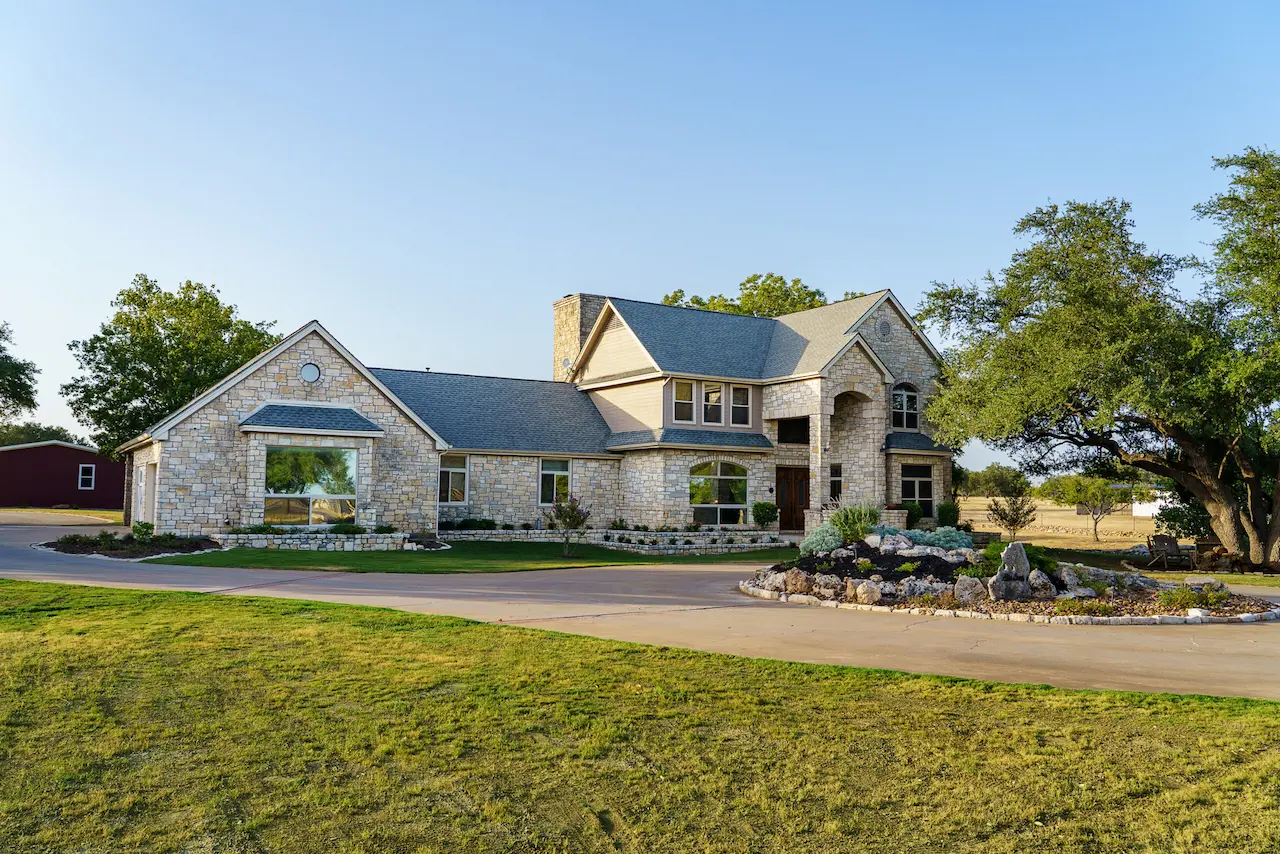
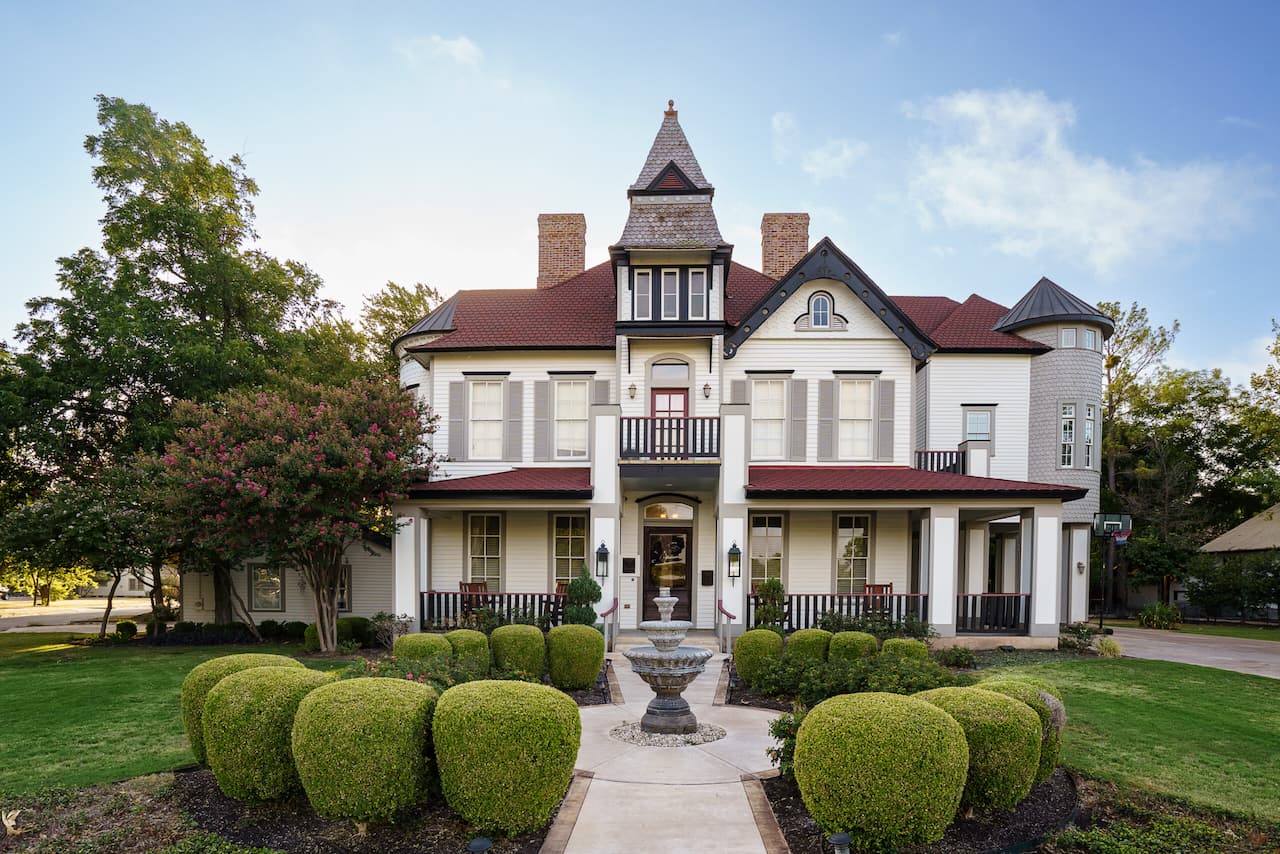
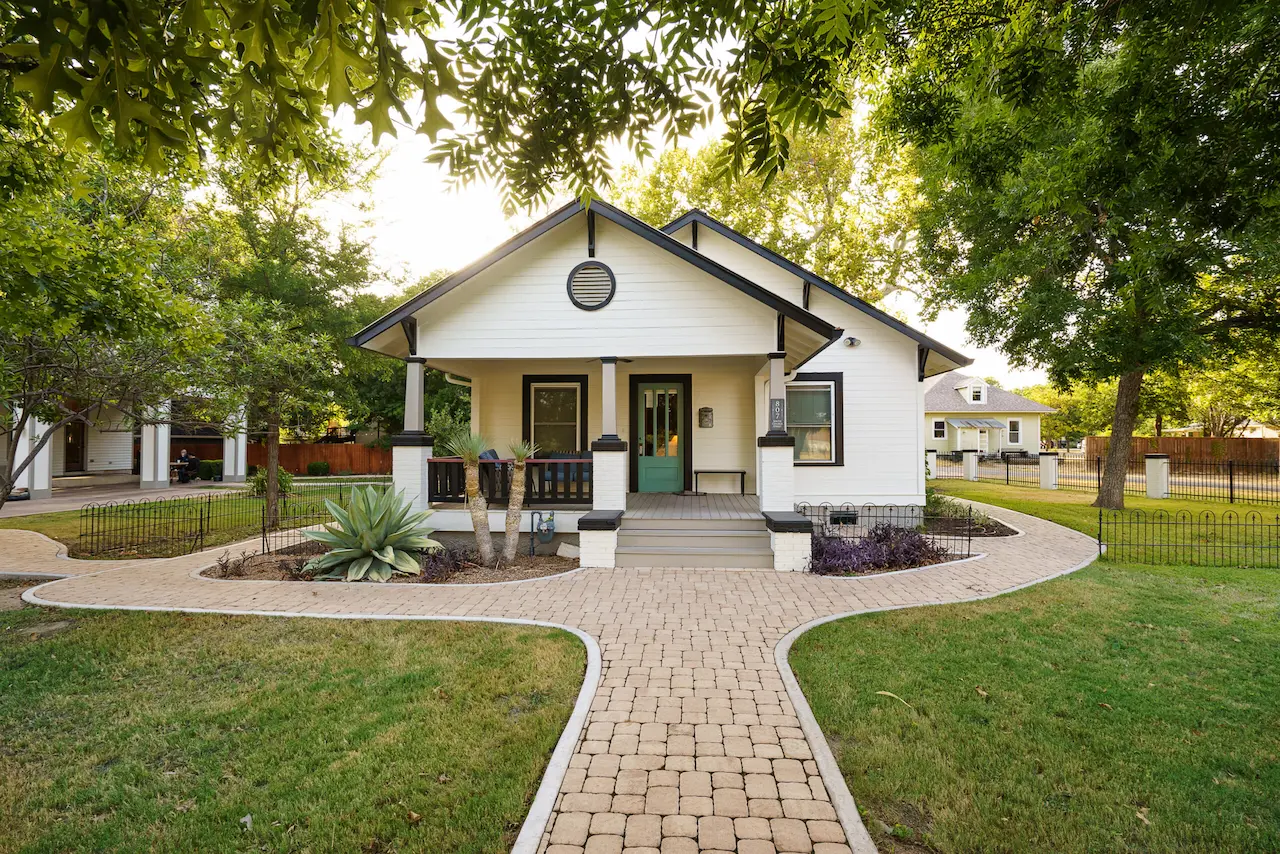
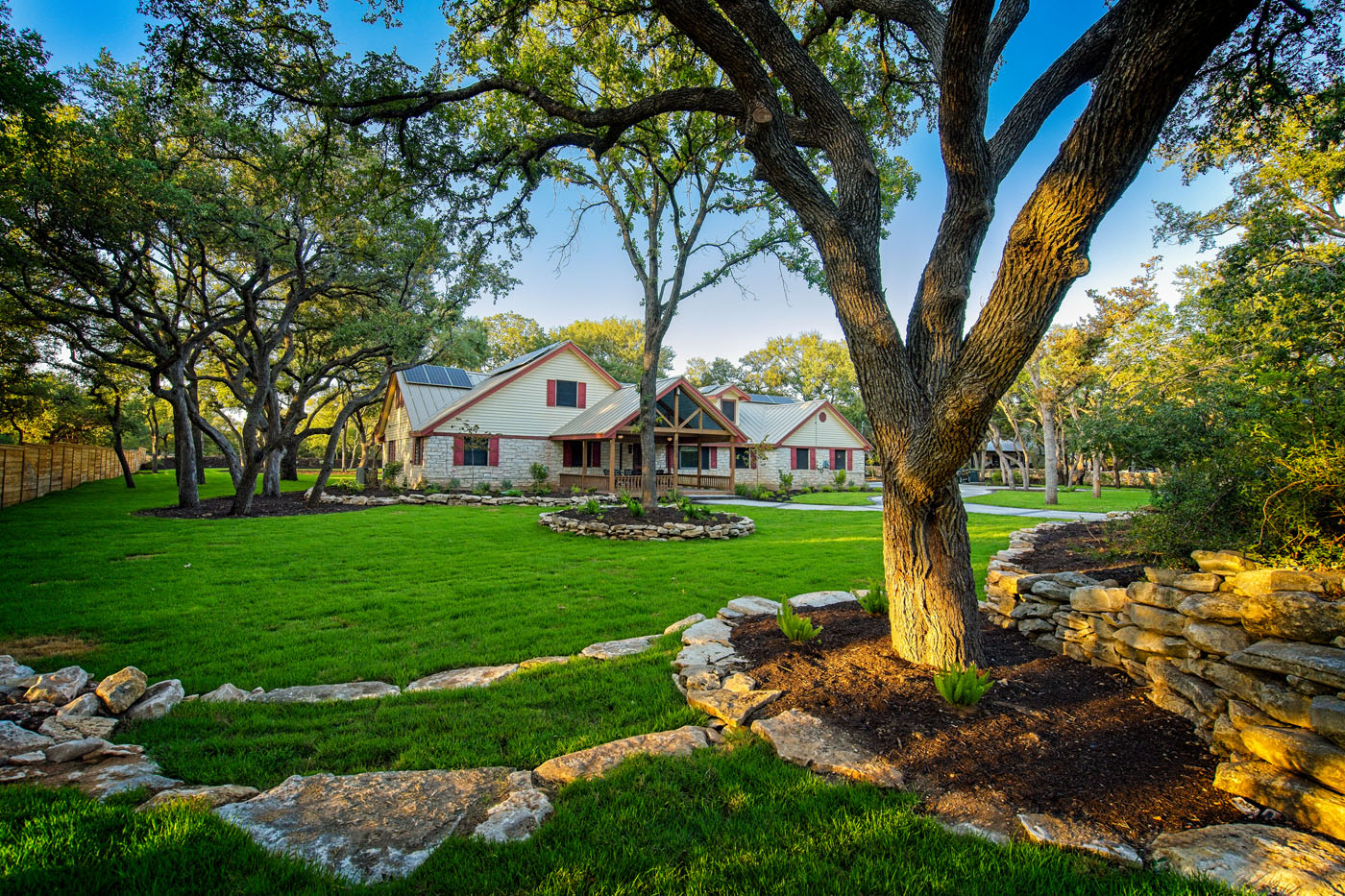
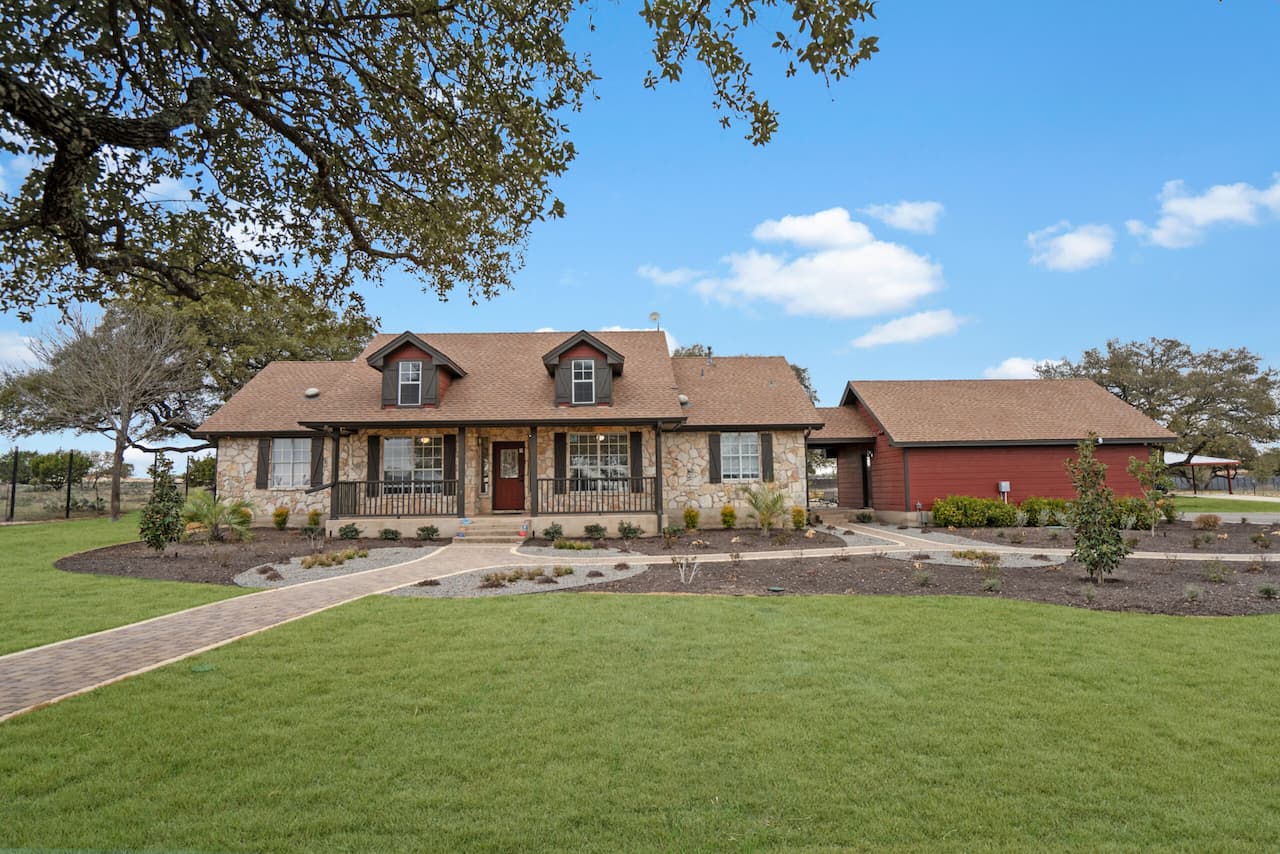
Our facilities are meticulously crafted to offer solace, recovery, and a feeling of belonging. From expansive, elegantly furnished bedrooms that guarantee seclusion and peace, to shared spaces that nurture relationships and companionship, each aspect has been meticulously planned to enhance the journey to well-being.
Men's Programs
Women's Programs


Contact Us
You understand your needs best. If you have found yourself at a crossroads in your treatment and feel like your program options don’t fully understand you or aspects of your recovery, it’s time to contact the specialists at Alta Loma.
phone
(512) 877-4883
Opening Hours
Open 24 Hours
Address
103 E 8th St, Georgetown, TX 78626
Fill Our Our Form
We answer all responses as soon as we recieve them.