


Long-Term Mental Health Treatment
When someone is living with severe mental illness, stabilization rarely happens quickly. Meaningful progress requires time, clinical expertise, and a treatment environment designed to support lasting change.
Alta Loma’s primary program provides long-term, psychiatry-driven care for adults experiencing conditions such as schizophrenia, schizoaffective disorder, bipolar I disorder with psychotic features, and other complex mental health disorders — with or without co-occurring substance use.
Just minutes from Austin, TX, our team is ready to help
If you or someone you care about is struggling to address your need for mental health, Alta Loma could mean the difference between relapse and long-term recovery
Rather than focusing on short-term symptom reduction, our approach emphasizes sustained stabilization, functional improvement, and preparation for community reintegration. Each resident receives an individualized treatment plan that evolves alongside their clinical needs, supported by consistent therapeutic structure and high staff involvement.
For many individuals, extended care paired with structured housing and partial hospitalization programming provides the level of support necessary to interrupt repeated hospitalizations and create a more stable path forward.
At Alta Loma, we believe in a blended approach, with numerous therapeutic methods provided to each client across the duration of a long-term program.
Extended Care Mental Health Programs
Alta Loma provides extended care for adults living with severe mental illness who require structured support, ongoing psychiatric oversight, and a treatment environment designed for long-term stabilization and functional progress.
The Ranch Facility Overview: Safe, Supportive Environment
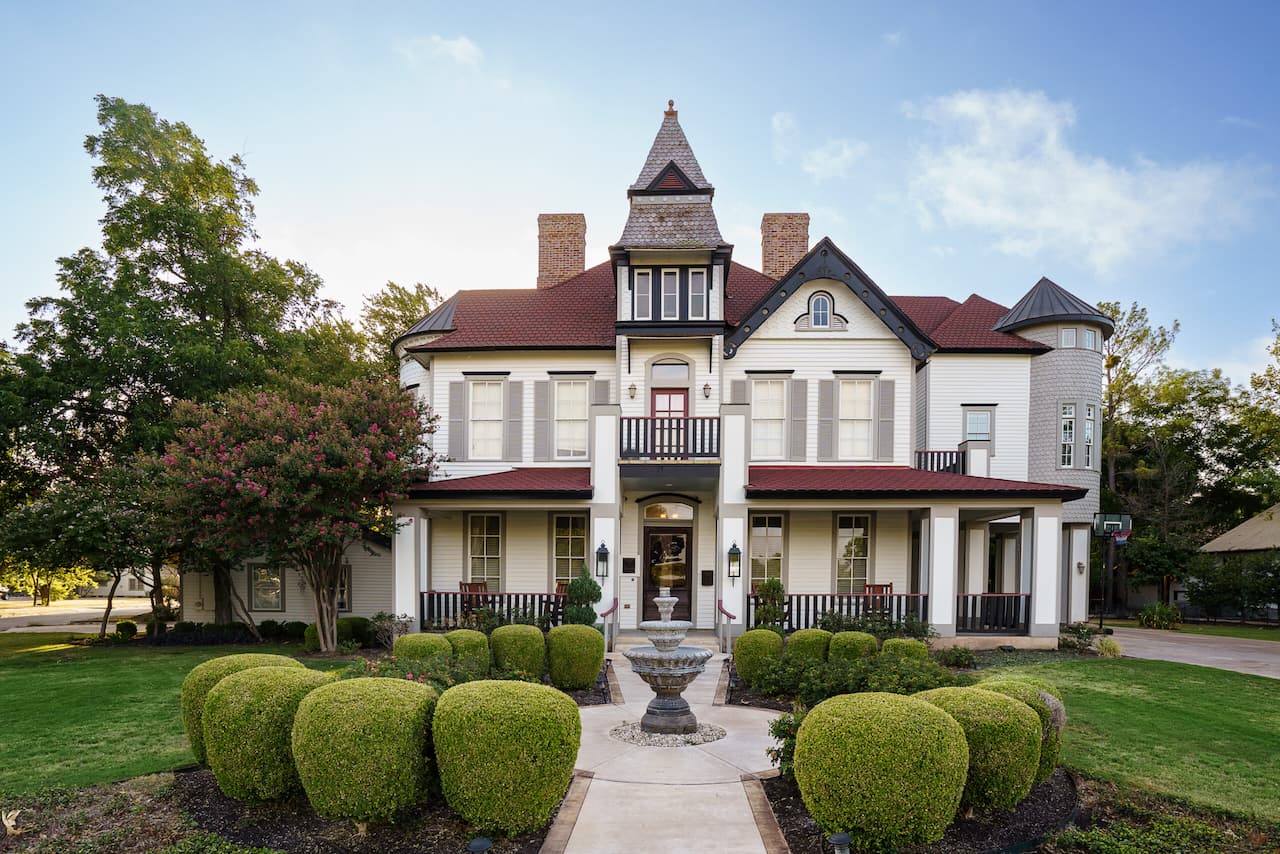
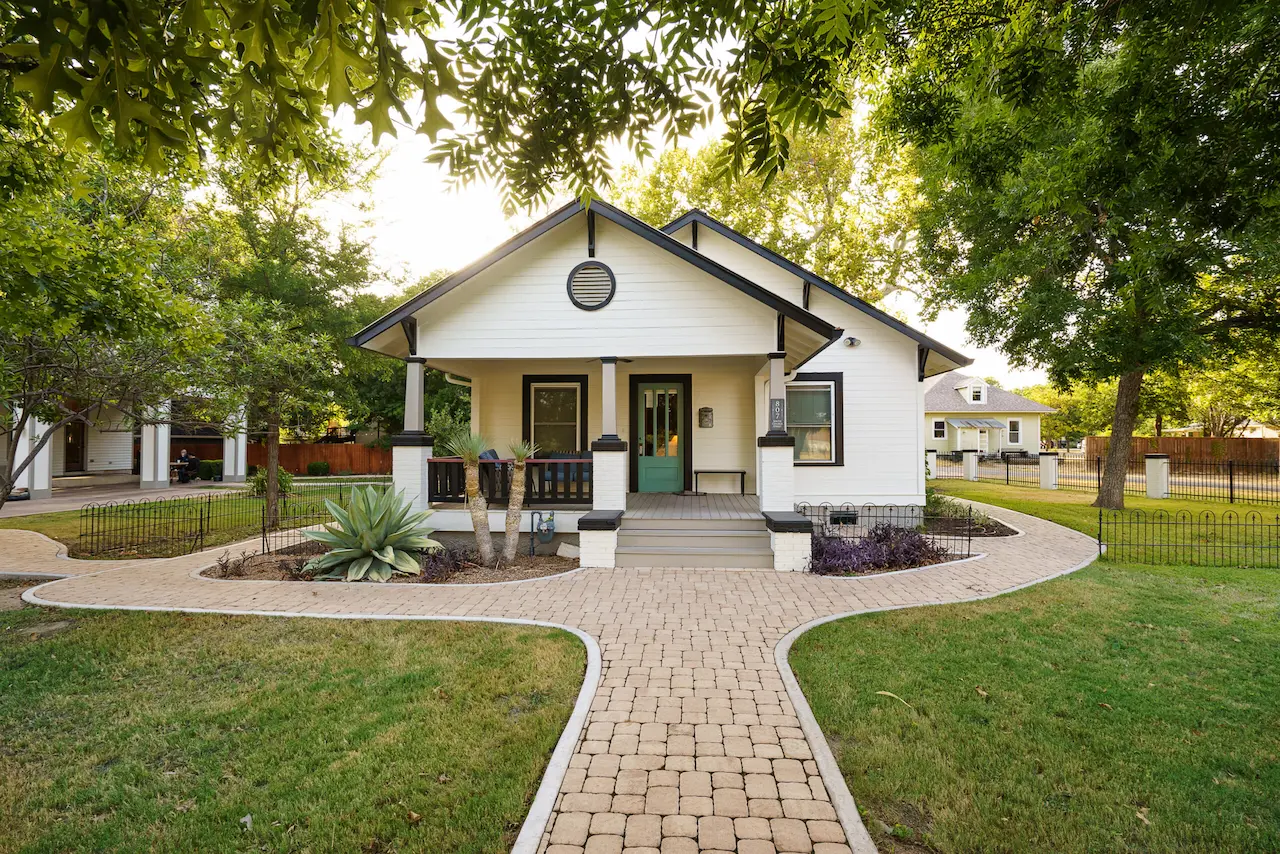
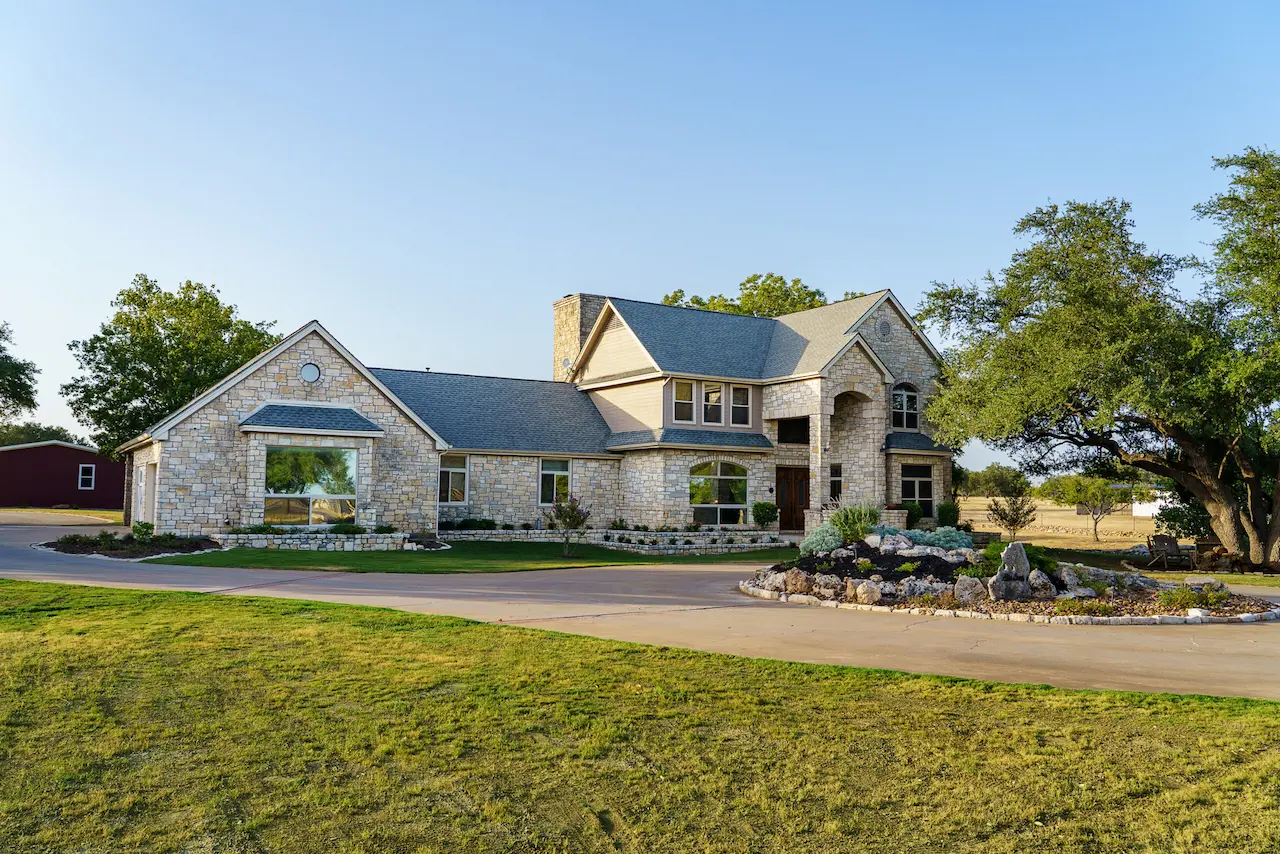
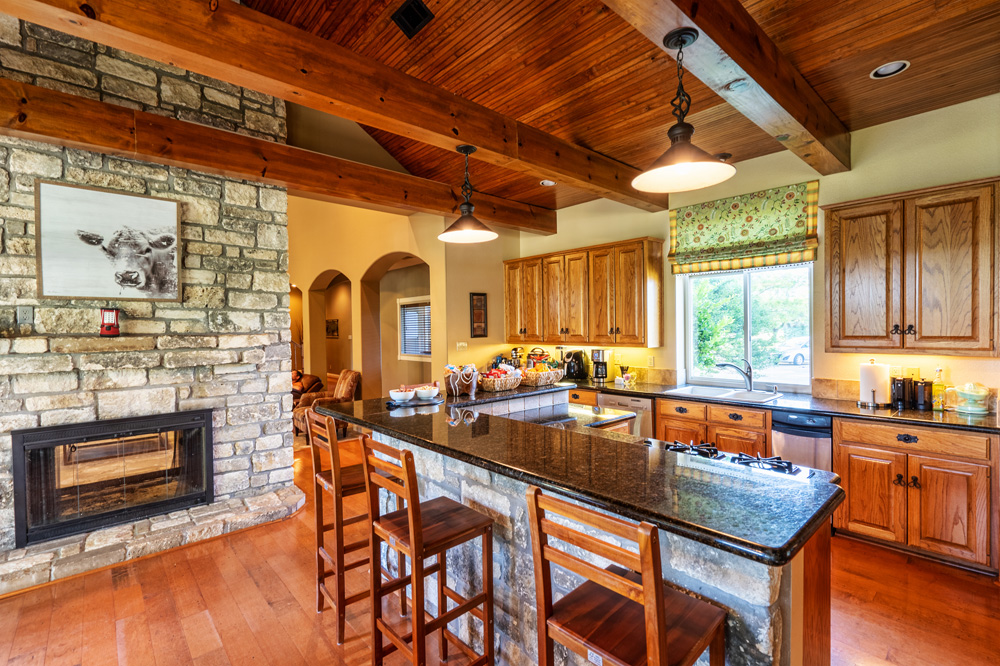
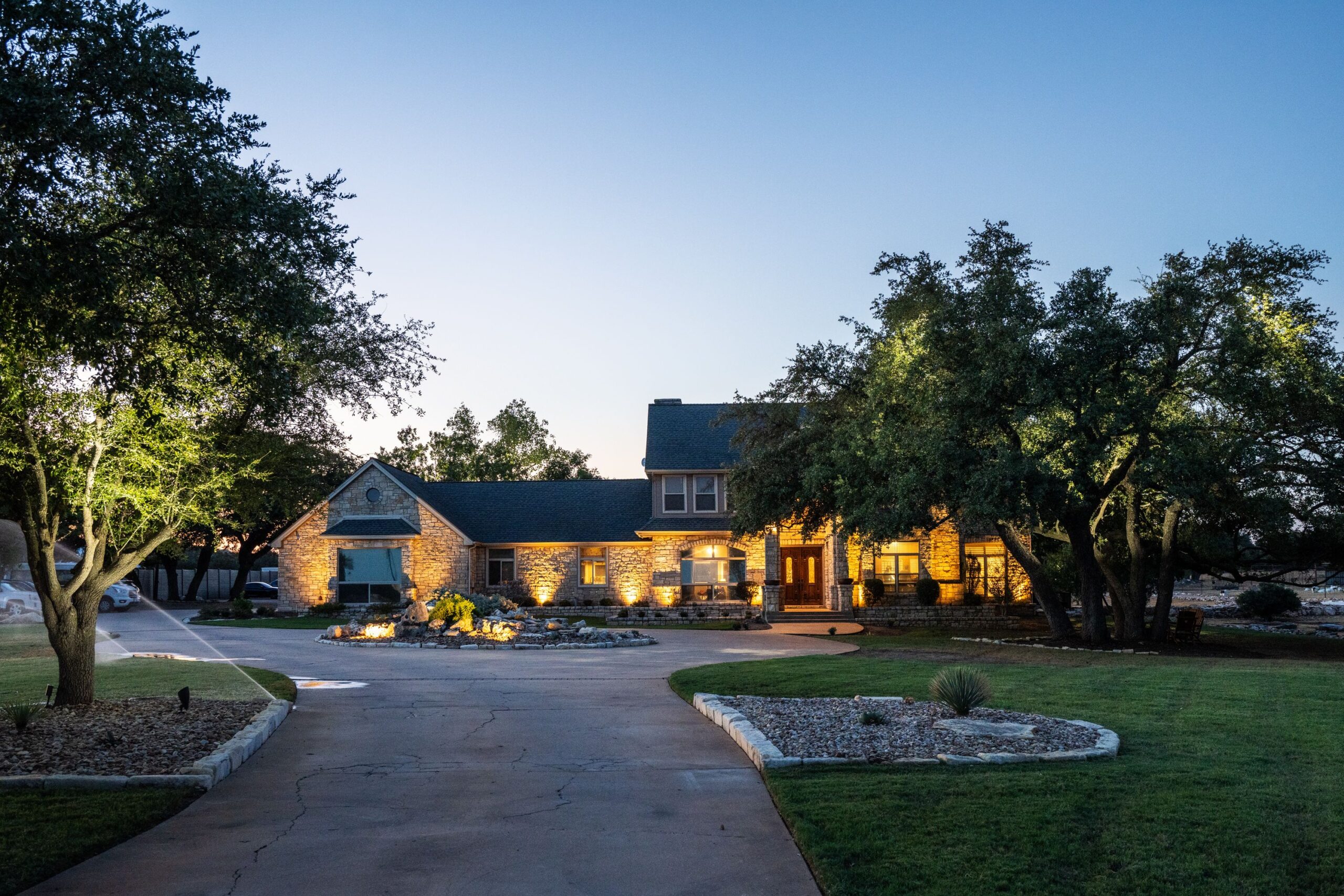
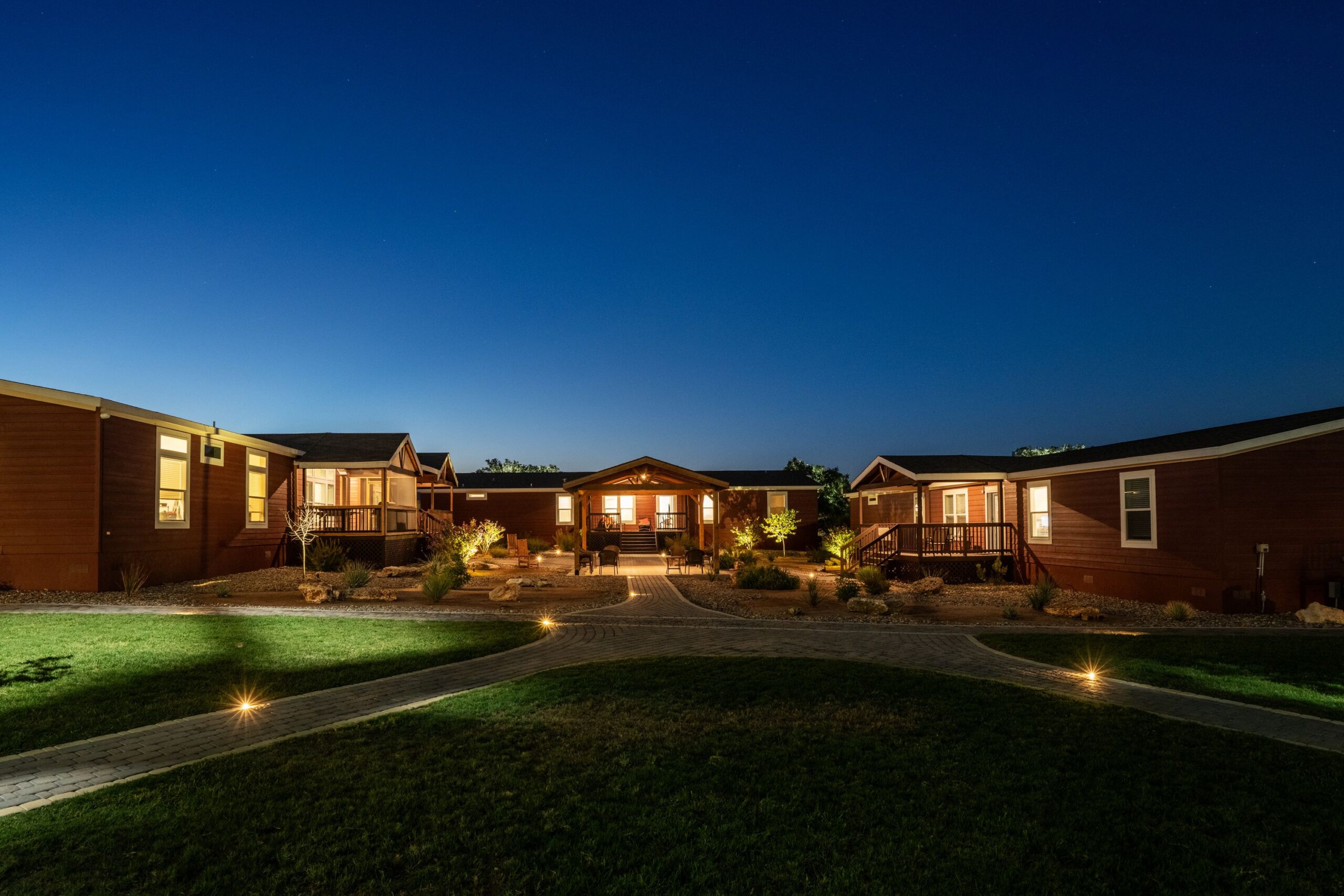
The Ranch is a sprawling, luxurious men’s mental health treatment environment set across 20 acres. It consists of four main buildings, each with its own unique purpose and charm. You have the option of selecting a semi-private or private room based on your preferences.
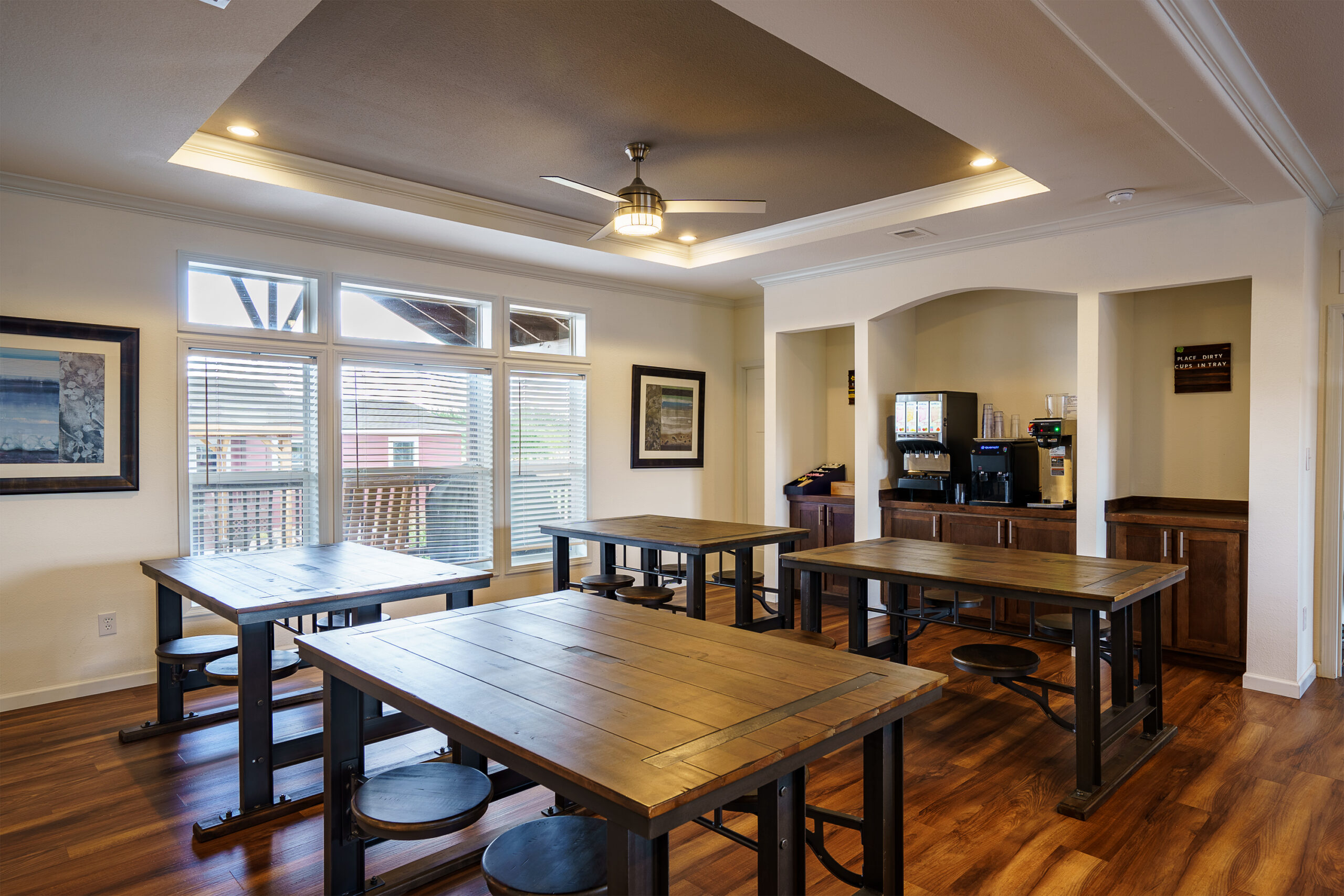
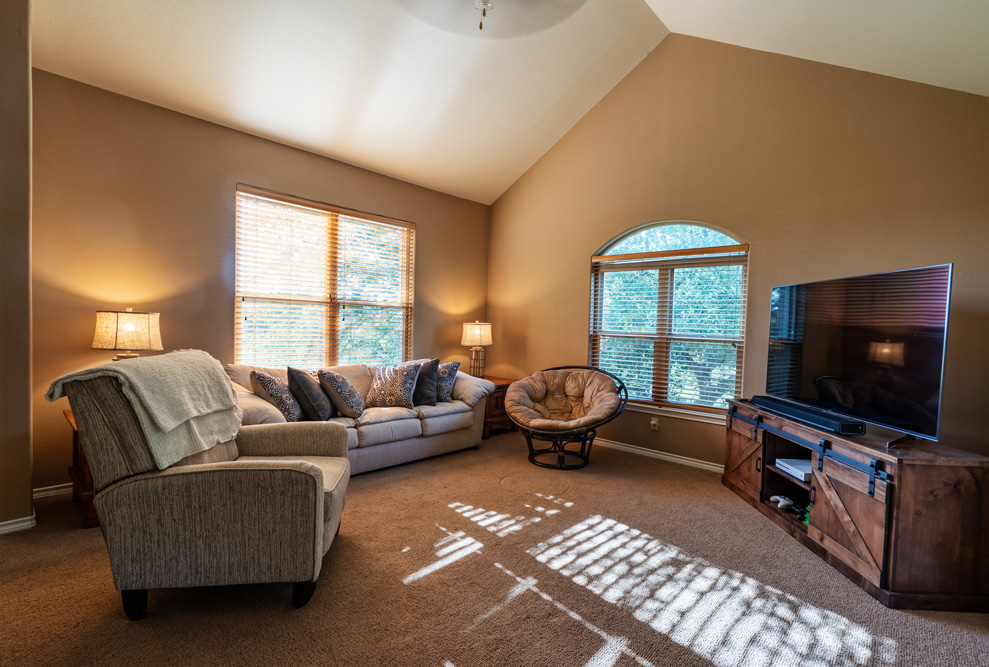
In the main house, there’s space for a maximum of nine men, with five cozy, well-decorated bedrooms and five bathrooms. There are two other houses, affectionately referred to as the cabins. Each one is home to a maximum of six men and has five comfortable bedrooms and five bathrooms. In the main building, clients can make the most of the facilities, including a chef-run dining hall and modern gym.

Long-Term Care Options: Private and Semi-Private Rooms
Alta Loma provides care within specialized treatment facilities built to support extended stays and individualized treatment plans. Private and semi-private rooms allow residents to maintain dignity while participating in a highly structured mental health treatment program.
This level of care is often appropriate for individuals stepping down from inpatient care or hospitalization, as well as those whose mental health conditions have not improved in outpatient treatment. Length of stay varies, but the emphasis remains on long-term mental health stabilization rather than rapid discharge.


Community Living & Life Skills Development
Recovery from severe mental illness involves more than symptom management — it requires relearning how to navigate daily life with consistency and confidence.
Residents participate in structured routines that promote responsibility, emotional regulation, and practical skill-building. From maintaining schedules to practicing communication and problem-solving, these experiences prepare individuals for greater autonomy over time.
Community living also reduces isolation, allowing residents to develop healthier interpersonal patterns within a supportive setting.
Amenities at The Ranch
- Swimming pool
- Stocked Fishing Pond
- Half-mile fitness trail
- Basketball court
- Several shaded outdoor seating areas
- A field with miniature donkeys and goats
- Nutritious, tasty meals served daily
- Around-the-clock supervision from our experienced, friendly team
Primary Program Schedule | Monday – Friday
| Meditation Group | 9:30am |
|---|---|
| Life Skills Group | 10am – 12pm |
| Lunch Time | 12pm – 1pm |
| Process Group | 1pm – 3pm |
| Health & Wellness | 3pm – 5pm |
| Dinner | 5pm – 6pm |
| Recovery Group | 6pm – 7pm |
| Daily Goal Review | 9:30pm – 10pm |
Evidence-Based Treatment Approaches
Alta Loma delivers psychiatry-driven mental health care using evidence-based treatment approaches tailored to complex presentations. Each treatment plan is individualized and may evolve as stabilization occurs and diagnostic clarity improves.
Services are designed for adults with serious mental illness, including schizophrenia, bipolar disorder, and personality disorders, with treatment options available for co-occurring substance use disorder when clinically appropriate.

Psychiatry & Medication Management
Psychiatric care is the foundation of Alta Loma’s behavioral health model. Ongoing medication management supports symptom reduction, improves functioning, and helps residents sustain progress throughout long-term care.
Close collaboration between psychiatrists, therapists, and additional mental health professionals ensures treatment remains responsive to each resident’s needs.

Cognitive-Behavioral Therapy (CBT) and Dialectical Behavior Therapy (DBT)
Psychotherapy modalities such as cognitive-behavioral therapy (CBT) help residents identify distorted thinking patterns and develop healthier behavioral responses. DBT skills further support emotional regulation, distress tolerance, and relationship stability.
These structured therapies are integrated into the broader treatment program to promote lasting change rather than temporary symptom relief.

Meditation Groups
Meditation groups support emotional regulation and reinforce stabilization by teaching residents how to remain present during periods of distress. These practices complement clinical care and encourage greater self-awareness within the setting.
Over time, mindfulness-based strategies can strengthen treatment engagement and contribute to improved mental health outcomes.

Dual Diagnosis Support for Co-Occurring Substance Use Disorder
Many residents experience substance use alongside primary psychiatric conditions. Alta Loma addresses these concerns through coordinated dual-diagnosis care that may include addiction counseling, peer support, and recovery engagement.
Treatment remains centered on the primary mental health condition while recognizing the clinical impact substance use can have on stability.

Life Skills Groups
Mental illness and addiction are the result of a complex mixture of genes, experiences, and social influences. While it’s not always the case, lots of people with these problems struggle with life skills. Luckily, it’s possible to reconfigure your mind by learning skills and filling in the blanks from your upbringing.
The way we think about and speak to ourselves and others plays a key role in our experiences and the reactions we get. Plus, not understanding or having the words to describe how you feel or what you need can be extremely frustrating — and you probably won’t even know why you’re so frustrated.

Process Groups
Process groups are indispensable in the therapeutic process because they teach valuable, actionable skills and help therapists understand your requirements. When you work through issues in the presence of others, you learn from them and discover the power of speaking your truth. Hearing about other people’s struggles can be eye-opening, helping you understand yourself from a different perspective and develop empathic skills.
Another style of process group we oversee is psychoeducational classes. Learning about the processes and mechanisms in your brain and body that influence mental illness and substance use disorders helps you take a step back. It’s not your fault, and you’re not alone — your symptoms are the result of dysfunction, and there are plenty of ways to help yourself heal.

Health and Wellness
Lifestyle plays a defining role in how we experience the world. Of course, a consistent routine, proper nutrition, regular exercise, and a positive attitude can’t cure mental illness and substance abuse issues. However, they can help you manage your symptoms and feel better.
For example, highly processed food and sugar are harmful to mental health when consumed in excess, and exercise is one of the best ways to develop physical and mental resilience.
One of the best things about our programs is that we teach you how to add structure to your life without being rigid or restrictive.

Individual Therapy & Group Therapy for Mental Health Conditions
Group therapy fosters connection and shared understanding, while individual therapy allows for deeper clinical work tailored to each resident’s presentation.
Residents typically participate in multiple one-on-one therapy sessions each week in addition to psychiatric appointments. Together with their treatment team, they build practical strategies for managing symptoms and navigating future challenges.
Outside of group therapy, residents can choose between NAMI Connection,12-Step groups, and other peer support groups.
Last but by no means least is individual therapy, overseen by our skilled and experienced team of qualified professionals. Every week, residents have at least two one-on-one therapy sessions with their primary therapist, plus at least one psychiatric session.
During these sessions, you talk about your upbringing, life experiences, and goals. Together with a mental health professional, you identify triggers and develop coping mechanisms to help you manage and move through difficulties.
Comprehensive Assessment Program (5–20 Days)
The assessment program offers families diagnostic clarity before committing to long-term care. Through neuropsychological testing and psychiatric evaluation, clinicians determine the most appropriate level of care for each individual.
This process helps families make informed decisions about treatment programs while reducing the risk of inappropriate placement.
Neuropsych Testing & Individualized Treatment Planning
Comprehensive testing evaluates cognitive functioning, behavioral health patterns, and psychiatric symptoms. Findings directly inform the resident’s treatment plan and guide recommendations for future care, inpatient treatment, or outpatient care when appropriate.
How Assessment Guides Long-Term Mental Health Care
Accurate diagnosis allows clinicians to design mental health treatment programs that address the full scope of a resident’s needs. For adolescents transitioning into adulthood and adults with persistent symptoms, this clarity is critical to achieving stabilization.
When necessary, recommendations may include continued treatment or step-down outpatient treatment following discharge.


Family-Supported Care & Involvement
Family participation is a defining element of care at Alta Loma, as loved ones are often central to long-term recovery. Education and structured involvement help families better understand mental health conditions and support progress beyond treatment.
This collaborative model strengthens communication while promoting safer transitions back into community living.
Weekly Family Support Groups
These groups provide guidance from clinicians while helping families navigate the realities of severe mental illness. Increased understanding often improves outcomes and supports sustained stabilization.
How Families Support Long-Term Stabilization
When families remain engaged, residents benefit from stronger support systems after leaving residential care. This continuity is especially important for individuals with complex psychiatric histories.
Monthly Family Intensive: Strengthening Communication & Understanding
The multi-day intensive allows families to work directly with mental health professionals to address relational dynamics, set expectations, and prepare for long-term recovery.
When to Seek Mental Health Treatment
Delaying care can increase the likelihood of repeated hospitalization and functional decline. Transitioning into mental health treatment earlier often improves safety and long-term outcomes.
Signs Your Loved One Needs Long-Term Psychiatric Care
Families often reach out when it becomes clear that a higher level of care is necessary to maintain safety and promote stabilization. Long-term mental health treatment may be appropriate when a loved one cycles through inpatient care without sustained improvement, experiences ongoing psychosis, or struggles with severe mood disturbance related to conditions such as schizophrenia or bipolar disorder.
Difficulty functioning independently, increasing withdrawal, or worsening symptoms despite outpatient treatment can signal that more structured care and continuous psychiatric support are needed. Seeking comprehensive care at the right time can help interrupt crisis patterns and create a more stable path forward.
High-Risk Symptoms & Early Intervention
Severe mental illness rarely improves without structured intervention. When mental health conditions begin to interfere with safety, decision-making, or daily functioning, timely admission to a behavioral health program can reduce the risk of further deterioration.
Alta Loma’s clinicians conduct a rigorous admissions process to determine whether extended care is the most appropriate level of care. This approach helps families avoid the cycle of brief inpatient treatment followed by relapse.
Early intervention within a supportive environment gives mental health professionals the time needed to evaluate symptoms, adjust medication management, and implement evidence-based treatment approaches such as psychotherapy and cognitive behavioral therapy.
How Extended Care Improves Outcomes
Long-term care allows treatment to move beyond crisis response toward measurable, sustainable change. With a longer length of stay, clinicians can observe behavioral patterns, refine treatment approaches, and support gradual functional gains.
Residents benefit from coordinated psychiatric care, group therapy, and structured community living that reinforces life skills and accountability. Over time, this treatment model promotes stabilization while preparing individuals for outpatient care and greater independence.
Rather than relying on repeated hospitalization, extended treatment within accredited health care facilities offers a pathway toward lasting recovery and improved quality of life.
Additional Program Features
Alta Loma’s primary program is designed to support individuals living with complex mental illness through a highly structured setting that prioritizes safety, consistency, and clinical excellence.
Life Skills & Independent Living Preparation
Residents develop practical life skills that support independent living after discharge. Guided by experienced clinicians and peer advocates, this work strengthens confidence and daily functioning.
Structured Routines for Stability & Wellness
Predictable schedules reduce uncertainty and help regulate behavioral health symptoms. Over time, structure becomes a foundation for long-term wellness.
Peer Support & Community Integration
Community living encourages connection while reducing isolation — a critical component of recovery for many residents. Shared experiences foster accountability and emotional growth.
Natural Surroundings & Therapeutic Outdoor Spaces
The Ranch provides a calm, supportive environment that complements intensive mental health treatment while allowing residents space to reset and focus on healing.
Daily Life That Promotes Mental Health & Well-Being
Each day is intentionally organized to balance psychotherapy, medication management, movement, and restorative time, creating a treatment experience centered on whole-person care.
Our Facility







Frequently Asked Questions (FAQs)
Why is Alta Loma long-term rather than short-term?
Long-term care allows individuals with complex psychiatric conditions the time and consistency needed for meaningful stabilization. While short-term programs often focus on crisis management, extended treatment supports deeper clinical work, medication optimization, skill development, and relapse prevention. This structured approach helps residents build the foundation necessary for lasting independence and improved quality of life.
Who is involved in my loved one’s care?
Care is delivered by a multidisciplinary team that may include psychiatrists, licensed therapists, medical providers, and behavioral health professionals. Each resident receives an individualized treatment plan shaped by ongoing assessments and clinical collaboration. This team-based model ensures that emotional, psychiatric, and daily living needs are addressed in a coordinated and supportive environment.
What types of mental health conditions are treated?
Alta Loma specializes in treating serious and persistent mental health conditions such as schizophrenia, schizoaffective disorder, bipolar disorder, major depressive disorder, and co-occurring challenges that may interfere with daily functioning. Treatment is designed for individuals who require a higher level of structure, clinical oversight, and therapeutic support than outpatient care can provide.
How long is the typical length of stay?
Length of stay varies based on clinical needs, treatment progress, and long-term goals. Because stabilization and functional improvement take time, many residents benefit from extended care that allows therapeutic interventions to fully take hold. The minimum amount of time residents spend in our care is 12 weeks, but treatment typically spans 1 year through all levels of care. However, the focus is not on a predetermined timeline, but on helping each individual reach a level of readiness for greater independence.
What treatment approaches are offered?
Treatment typically integrates evidence-based therapies such as cognitive-behavioral therapy (CBT), psychoeducation, medication management, life skills training, and supportive counseling. Services are tailored to the individual, helping residents strengthen emotional regulation, improve decision-making, and develop practical skills that support long-term recovery and stability.


Contact Us
You understand your needs best. If you have found yourself at a crossroads in your treatment and feel like your program options don’t fully understand you or aspects of your recovery, it’s time to contact the specialists at Alta Loma.
phone
(512) 877-4883
Opening Hours
Open 24 Hours
Address
103 E 8th St, Georgetown, TX 78626
Fill Our Our Form
We answer all responses as soon as we recieve them.