




Inpatient Treatment For Bipolar Disorder
Types of Inpatient Treatment for Bipolar Disorder
At our facility, we understand that every individual’s journey with bipolar disorder is unique, and therefore, we offer a variety of inpatient treatment options tailored to meet each resident’s needs. These include acute care programs, which are designed for individuals in crisis who require immediate stabilization, and long-term residential treatment for those who need extended care to manage their symptoms. Our structured programs not only address the immediate needs of our residents but also focus on long-term recovery goals.
Benefits of Inpatient Treatment for Bipolar Disorder
The primary advantage of inpatient treatment is the intensive, round-the-clock care provided in a supportive environment. Residents benefit from constant clinical oversight, ensuring that their needs are met safely and effectively. Additionally, being in a therapeutic community helps residents form meaningful connections with others who understand their struggles, reducing feelings of isolation. The structured daily routine, combined with personalized therapeutic interventions, fosters a comprehensive healing process.
Criteria for Admission to Inpatient Treatment for Bipolar Disorder
Admission to our inpatient programs is typically considered when an individual is experiencing severe symptoms that significantly impair their daily functioning or pose a risk to themselves or others. A comprehensive assessment is conducted to evaluate the severity of symptoms, previous treatment history, and current mental and physical health status. Family involvement is also a crucial part of the assessment process, as it helps us create a more personalized treatment plan.
Duration of Inpatient Treatment for Bipolar Disorder
The length of stay in our inpatient programs varies depending on the individual’s needs. Acute stabilization may require a shorter duration, often ranging from a few days to several weeks. In contrast, our long-term residential programs are more extensive and can last several months, providing residents with the time needed to achieve substantial recovery and develop the skills necessary for maintaining stability post-treatment.
Withdrawal Symptoms After Inpatient Treatment for Bipolar Disorder
While inpatient treatment is comprehensive, we recognize that transitioning back to everyday life can be challenging. Some residents may experience withdrawal symptoms such as mood swings, anxiety, or sleep disturbances. To mitigate these effects, our team at Alta Loma provides ongoing support and aftercare planning, including outpatient therapy, support groups, and continued medication management, ensuring a seamless transition to life beyond the treatment facility.
Cost of Inpatient Treatment for Bipolar Disorder
Understanding the financial considerations of inpatient treatment is essential. The cost can vary depending on the type and length of treatment, as well as the level of care provided. At Alta Loma, we strive to offer high-quality care at competitive rates and work closely with patients and their families to explore insurance coverage options and payment plans that make treatment accessible.
Inpatient Treatment Facilities for Bipolar Disorder
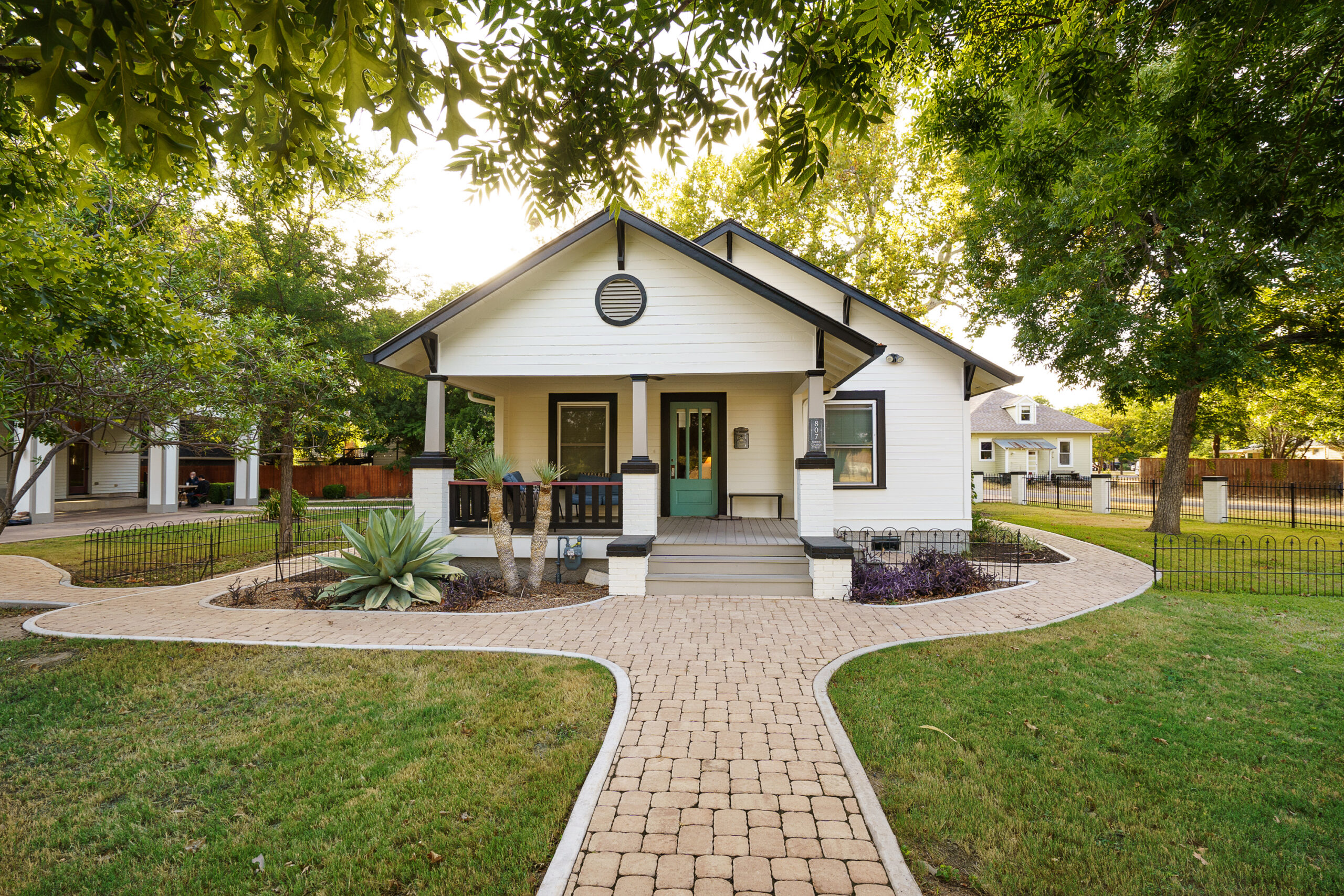
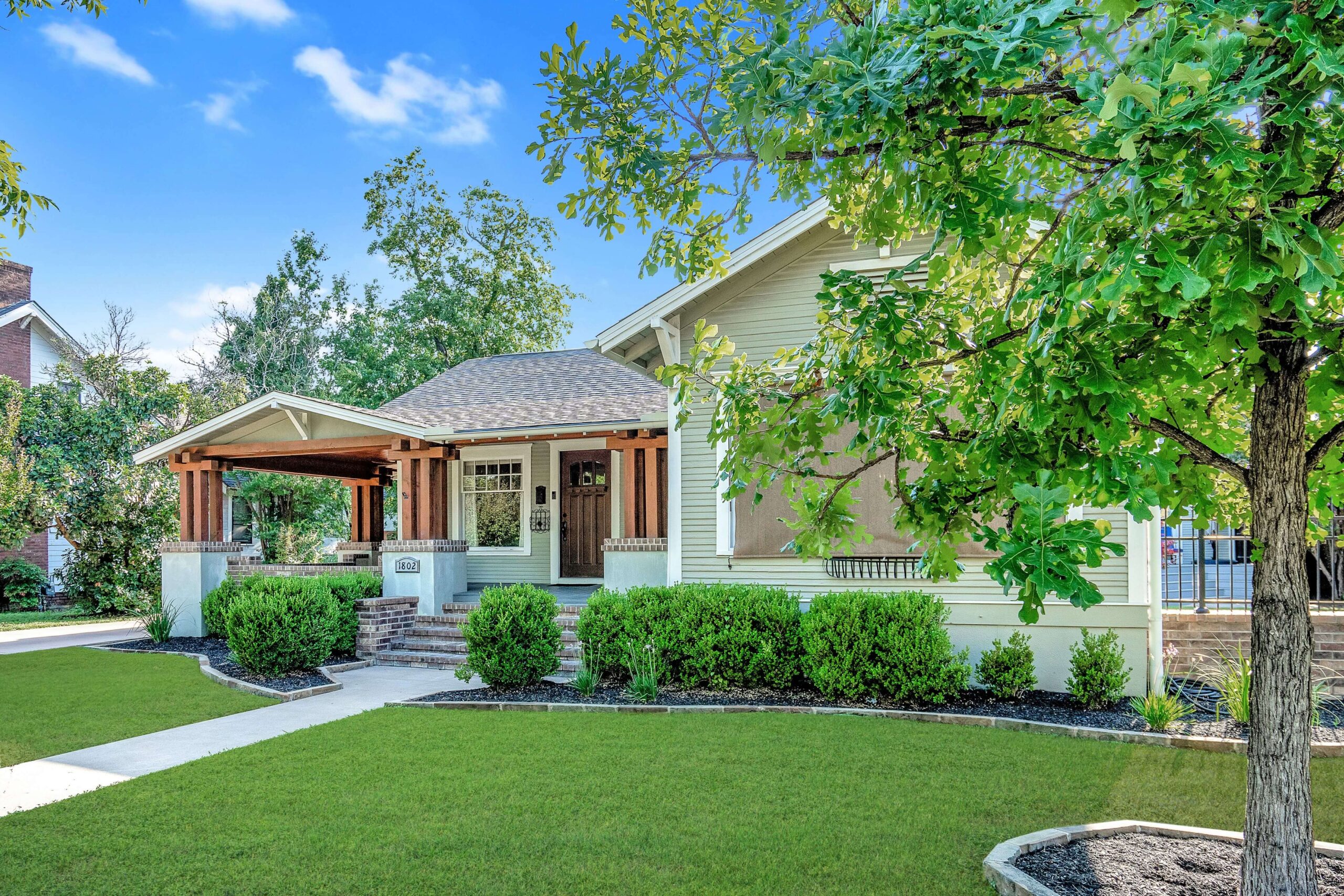
Located in the serene setting of Georgetown, Texas, our facilities are designed to provide a peaceful and therapeutic environment conducive to healing. Residents benefit from private and semi-private accommodations, spaces for recreational therapy, and communal areas that encourage social interaction. Our state-of-the-art facilities ensure that residents have access to all the amenities necessary for a comfortable stay.
Medications Used in Inpatient Treatment for Bipolar Disorder
Medication management is a critical component of our treatment approach. Our psychiatric team works closely with each resident to determine the most effective medication regimen, which may include mood stabilizers, antipsychotics, and antidepressants. Regular monitoring and adjustment ensure optimal outcomes and minimize potential side effects.
Therapy Options in Inpatient Treatment for Bipolar Disorder
Therapy is central to our treatment programs, with options including cognitive behavioral therapy (CBT), dialectical behavior therapy (DBT), and family therapy. These therapeutic modalities aim to address the underlying emotional and psychological components of bipolar disorder, empowering residents with coping strategies and skills to manage their symptoms effectively.
Recovery Process After Inpatient Treatment for Bipolar Disorder
Recovery is an ongoing process that continues long after leaving our facility. At Alta Loma, we emphasize the importance of developing a robust aftercare plan that includes continued therapy, medication adherence, and participation in community support programs. Our goal is to equip residents with the tools and resources necessary for sustained recovery, enabling them to lead healthy, fulfilling lives.