





Bipolar disorder affects millions of women across the United States, yet the path to sustainable recovery often feels isolating and overwhelming. The cyclical nature of manic and depressive episodes can disrupt every aspect of life—from personal relationships and career goals to basic daily functioning and self-worth. For women navigating this complex mental health condition, finding specialized care that addresses their unique psychological, hormonal, and social needs is crucial. A dedicated bipolar treatment facility for woman offers more than clinical intervention; it provides a transformative environment where healing becomes possible through comprehensive, gender-specific care.
At Alta Loma, we understand that women experience bipolar disorder differently than men, with distinct symptom presentations, hormonal influences, and recovery needs. Our women’s-only program creates a safe, supportive space where clients can explore the root causes of their condition, develop effective coping strategies, and build the foundation for long-term stability. Through evidence-based treatment and holistic approaches, we’ve witnessed countless women reclaim their lives and discover renewed hope for their future.
The Unique Challenges Women Face with Bipolar Disorder
Women with bipolar disorder navigate a complex landscape that extends far beyond the mood episodes themselves. Hormonal fluctuations throughout the menstrual cycle, during pregnancy, postpartum periods, and menopause can significantly influence symptom severity and episode frequency. Research consistently demonstrates that women experience higher rates of rapid cycling—four or more mood episodes per year—compared to men. They’re also more likely to experience mixed episodes, where symptoms of mania and depression occur simultaneously, creating a particularly distressing and difficult-to-treat presentation.
The psychological burden women carry often compounds these biological factors. Societal expectations around caregiving, maintaining relationships, professional achievement, and physical appearance create layers of pressure that can exacerbate bipolar symptoms. Many women describe feeling trapped between the competing demands of managing their illness while meeting external expectations. During depressive episodes, guilt about not fulfilling these roles intensifies suffering. During manic episodes, impulsive decisions may damage the very relationships and responsibilities women work so hard to maintain.
Trauma histories are significantly more prevalent among women seeking mental health treatment, and the intersection of trauma with bipolar disorder creates particular treatment challenges. A bipolar treatment facility for woman must address not only mood stabilization but also the underlying traumatic experiences that may trigger episodes or complicate recovery. Without gender-specific care that acknowledges these interconnected issues, treatment often falls short of creating lasting transformation.
Why Gender-Specific Treatment Environments Matter
The decision to seek care at a bipolar treatment facility for woman isn’t simply about physical separation—it’s about creating an environment optimized for female healing and growth. In mixed-gender settings, women often report feeling less comfortable sharing vulnerable experiences, particularly those related to trauma, relationships, or body image. The presence of male peers can inadvertently recreate social dynamics that distract from therapeutic work or trigger past relational wounds.
Within our women’s-only environment at Alta Loma, clients consistently report feeling safer to explore the deepest aspects of their experience. Conversations flow more freely in group settings when women know they’re surrounded by others who share similar life experiences. The vulnerability required for genuine therapeutic breakthrough becomes more accessible when clients don’t feel the need to manage social dynamics or maintain protective facades.
Gender-specific treatment also allows clinical programming to address issues particularly relevant to women’s recovery. Discussions about reproductive health, motherhood, relationship dynamics, and female socialization occur naturally within the therapeutic milieu. Topics like how bipolar disorder affects parenting, navigating intimate relationships during mood episodes, or managing symptoms during hormonal transitions receive the attention they deserve rather than being marginalized as “women’s issues.”
The bonds formed between women in treatment create powerful healing relationships. Clients see their own struggles reflected in others’ stories, breaking through the isolation that mental illness creates. These connections often evolve into lasting support networks that continue well beyond treatment, providing accountability and encouragement through the ongoing recovery journey.
Understanding the Path from Crisis to Stability
Most women arrive at a bipolar treatment facility for woman during or immediately following a crisis. Perhaps a manic episode led to consequences that couldn’t be ignored—financial problems, damaged relationships, or professional setbacks. Or maybe a depressive episode became so severe that daily functioning became impossible. Some women have been managing symptoms for years but recognize that white-knuckling through life isn’t sustainable. Whatever brings women through our doors, they share a common experience: the recognition that something must fundamentally change.
The early days of treatment focus on safety, stabilization, and assessment. Our clinical team works to understand each woman’s unique presentation of bipolar disorder, identifying triggers, patterns, and comorbid conditions that influence her experience. This comprehensive assessment forms the foundation for personalized treatment planning. We recognize that no two women experience bipolar disorder identically—what works for one client may not work for another, requiring flexible, individualized approaches.
As stabilization occurs, treatment shifts toward skill development and deeper therapeutic work. This is where transformation truly begins. Women learn to recognize early warning signs of mood episodes, enabling proactive intervention before symptoms escalate. They develop coping strategies specifically tailored to their triggers and challenges. Through various therapeutic modalities including Cognitive Behavioral Therapy, clients begin rewriting the narratives that have kept them stuck in destructive patterns.
Addressing the Whole Person, Not Just Symptoms
One distinguishing feature of an effective bipolar treatment facility for woman is the commitment to treating the whole person rather than simply managing symptoms. Mental health doesn’t exist in isolation from physical health, relationships, life circumstances, or personal history. At Alta Loma, we integrate multiple dimensions of wellness into the recovery process, recognizing that sustainable stability requires attention to every aspect of a woman’s life.
Physical wellness forms a crucial foundation for mental health. Our nutrition program helps clients understand how diet affects mood stability, energy levels, and medication effectiveness. Many women arrive with poor eating habits developed during mood episodes—either restrictive eating during depression or impulsive consumption during mania. Learning to fuel the body properly supports brain chemistry and overall wellbeing, while also providing a tangible way women can actively participate in their own recovery.
Movement and activity play equally important roles. Through recreational therapy, women rediscover the joy of physical activity and creative expression. Whether through yoga, art, music, or outdoor activities, these experiences reconnect clients with their bodies and interests that mental illness may have stolen. Exercise naturally regulates mood, improves sleep, and provides healthy coping mechanisms that replace destructive behaviors many women developed while struggling with untreated symptoms.
Our TruThought program, integrated throughout Alta Loma’s treatment approach, offers women tools for greater self-awareness and cognitive control. This proprietary methodology helps clients observe their thought patterns without judgment, creating space between symptoms and reactions. Women learn that while they cannot always control when mood symptoms arise, they can influence how they respond to them. This empowerment proves transformative for clients who have spent years feeling at the mercy of their condition.

Rebuilding Identity Beyond Mental Illness
Bipolar disorder often becomes so consuming that women lose sight of who they are beyond their diagnosis. Years of managing symptoms, recovering from episodes, and navigating treatment can erode self-concept until “bipolar” feels like the primary identity. A specialized bipolar treatment facility for woman helps clients reclaim their sense of self, recognizing that while bipolar disorder is part of their story, it doesn’t define their entire being.
This identity work involves exploring interests, values, and goals that may have been abandoned or never fully developed. Many women put their lives on hold while struggling with mental illness, deferring dreams and ambitions indefinitely. Treatment provides space to revisit these aspirations with new tools and stability. Who is this woman when she’s not in crisis? What brings her joy? What contributions does she want to make to the world? These questions, once buried beneath survival mode, resurface as healing progresses.
Processing grief becomes an essential part of this identity reconstruction. Women grieve the time lost to illness, relationships damaged, opportunities missed, and the version of life they imagined before bipolar disorder entered the picture. Acknowledging these losses without being consumed by them allows women to move forward with realistic hope. The past cannot be changed, but the future remains unwritten—and with proper treatment and support, that future holds genuine possibility.
Redefining success according to personal values rather than external standards offers liberation many women have never experienced. In our women’s-only environment, clients question the unrealistic expectations that contributed to their struggles. They develop permission to live according to their own capacity and priorities, building lives that honor their health rather than compromising it for others’ approval.
The Role of Medication in Comprehensive Treatment
No discussion of bipolar disorder treatment would be complete without addressing medication management, a cornerstone of effective care at any reputable bipolar treatment facility for woman. While medication alone isn’t sufficient for recovery, it often proves necessary for achieving the stability required to engage in therapeutic work. Our psychiatric team brings extensive experience in addressing the unique pharmacological needs of female clients, understanding how hormonal changes, reproductive health considerations, and gender-specific medication responses influence treatment outcomes.
Many women arrive at Alta Loma having experienced frustration with previous medication trials—either ineffective symptom control or intolerable side effects that diminished quality of life. Our physicians take a collaborative approach, working closely with each client to find medication regimens that provide optimal benefit with minimal adverse effects. Regular monitoring and open communication ensure medications are adjusted as needed, and education about each medication empowers women to participate actively in their treatment decisions.
Preparing for Life Beyond Treatment Walls
The ultimate goal of any bipolar treatment facility for woman extends beyond symptom reduction during residential care—true success means equipping clients to maintain stability in their everyday lives. At Alta Loma, community integration forms a critical component of our program, gradually transitioning women from the structured treatment environment to independent living with confidence and comprehensive support systems.
This preparation involves both practical skills and psychological readiness. Women work on daily living capabilities that illness may have compromised—managing finances, maintaining households, organizing time effectively, and navigating social situations. These aren’t minor details but essential competencies that support independence and prevent the stress that could trigger future episodes. Clients practice these skills with increasing autonomy while still having clinical guidance available when challenges arise.
Building connections to ongoing support proves equally vital. We help women identify local resources, establish outpatient care, and develop crisis plans for managing future symptoms before they escalate. Family involvement, when appropriate, helps loved ones understand bipolar disorder and how they can best support their family member’s continued recovery. These connections create safety nets that catch women when they stumble, preventing small setbacks from becoming full relapses.
Breaking the Cycle of Relapse and Crisis
One of the most painful aspects of bipolar disorder is the cycle many women experience: crisis, treatment, initial stability, gradual symptom return, and eventual crisis again. Breaking this cycle requires more than short-term intervention—it demands fundamental changes in how women understand and manage their condition. A comprehensive bipolar treatment facility for woman addresses not just immediate symptom relief but the long-term strategies necessary for sustained recovery.
Relapse prevention education helps women recognize that recovery isn’t linear. Symptoms may fluctuate, and difficult days will occur, but these don’t represent failure. Instead, clients learn to view setbacks as information—signals that adjustments to their management strategies may be needed. This reframing removes the shame that often accompanies symptom recurrence, replacing it with problem-solving orientation that seeks solutions rather than assigning blame.
Women leave treatment with detailed wellness plans tailored to their specific needs. These living documents outline early warning signs unique to each client, specific coping strategies that have proven effective, and clear steps to take at various levels of symptom intensity. Having this roadmap reduces panic when symptoms arise and provides concrete action steps that increase the likelihood of early intervention before crisis develops.
The Alta Loma Commitment to Women’s Mental Health
At Alta Loma, our dedication to women’s mental health reflects more than clinical expertise—it represents a fundamental belief that every woman deserves the opportunity to live beyond the limitations mental illness imposes. Our women’s-only program provides safety, understanding, and specialized care that complex conditions like bipolar disorder require. The environment we’ve created honors the courage it takes to seek treatment while providing the structure and support necessary for transformation.
Our clinical team brings deep experience working specifically with women’s mental health, understanding the nuances of female presentation of psychiatric conditions and the impact of gender-specific factors on recovery. This expertise translates into more effective treatment planning and better outcomes. But beyond credentials and training, our staff genuinely cares about the women we serve, viewing each client as a whole person with inherent worth rather than a collection of symptoms to manage.
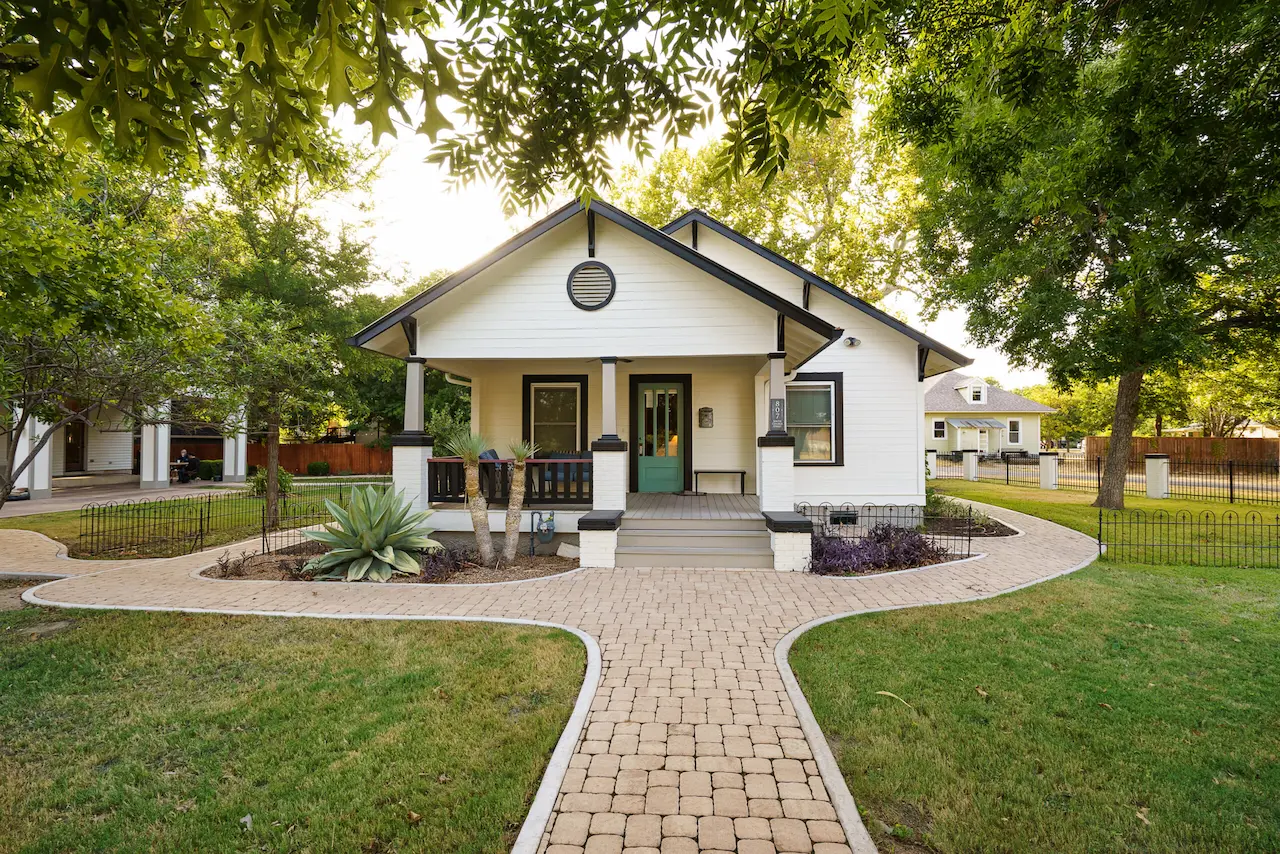
The physical environment at Alta Loma supports healing through thoughtful design that feels more like home than hospital. Comfortable spaces for both private reflection and community gathering, natural light, and outdoor areas all contribute to an atmosphere where women can focus entirely on recovery without the sterile coldness that characterizes many treatment facilities. Every element has been considered with women’s comfort and dignity in mind.
Finding Hope in the Journey Forward
Recovery from bipolar disorder isn’t about achieving perfect mental health or eliminating all struggles—it’s about developing the tools, insights, and support systems necessary to manage a chronic condition while building a fulfilling life. For women who have spent years feeling controlled by their illness, discovering that they can instead control their response to it represents a profound shift in perspective. A specialized bipolar treatment facility for woman provides the intensive intervention many women need to make this shift from passive suffering to active management.
The women who come through our program arrive at different stages of their journey. Some are newly diagnosed and overwhelmed by what their diagnosis means for their future. Others have lived with bipolar disorder for decades but never received adequate treatment. Some come voluntarily, recognizing they need help; others arrive reluctantly, pushed by loved ones or circumstances. Regardless of how they arrive, each woman deserves the same commitment to her recovery and the belief that transformation is possible.
At Alta Loma, we’ve witnessed countless women who entered treatment feeling hopeless discover strength and resilience they didn’t know existed. We’ve seen women rebuild relationships they thought were permanently broken, pursue careers they’d abandoned as impossible, and create lives characterized by stability and meaning rather than chaos and crisis. These success stories aren’t miraculous exceptions—they represent what becomes possible when women receive comprehensive, gender-specific care that addresses every dimension of their condition.
Taking the First Step Toward Transformation
If you or a woman you love is struggling with bipolar disorder, reaching out to a dedicated bipolar treatment facility for woman could be the most important decision you make. The courage required to acknowledge that professional help is needed shouldn’t be underestimated—many women struggle for years before reaching this point, hoping things will improve on their own or fearing the stigma associated with mental health treatment. But reaching out isn’t an admission of weakness; it’s an act of strength and self-advocacy.
Our admissions team provides compassionate, confidential guidance through the intake process, answering questions about our program, what to expect during treatment, and practical matters like insurance coverage. We understand that making the decision to seek treatment often comes during a vulnerable time, and we strive to make the process as straightforward and supportive as possible. Every conversation is handled with the respect and sensitivity that women in crisis deserve.
Bipolar disorder doesn’t have to define your life or limit your potential. With the right treatment, support, and commitment to recovery, women with bipolar disorder lead successful, stable, and deeply satisfying lives. The transformation that occurs at a specialized bipolar treatment facility for woman provides the foundation for this future—one where mental illness becomes a managed aspect of life rather than an overwhelming force that controls everything. Your journey toward that future can begin today, and we’re here to walk that path alongside you. For more information, visit our website https://www.altaloma.com/ or call us at (512) 829-3686.